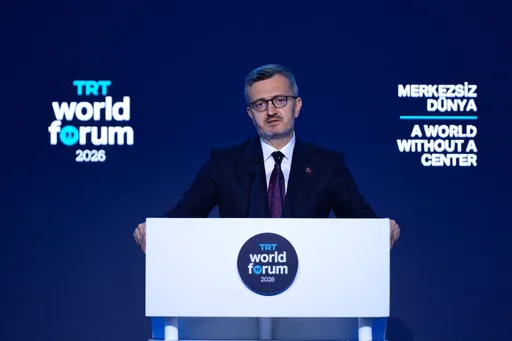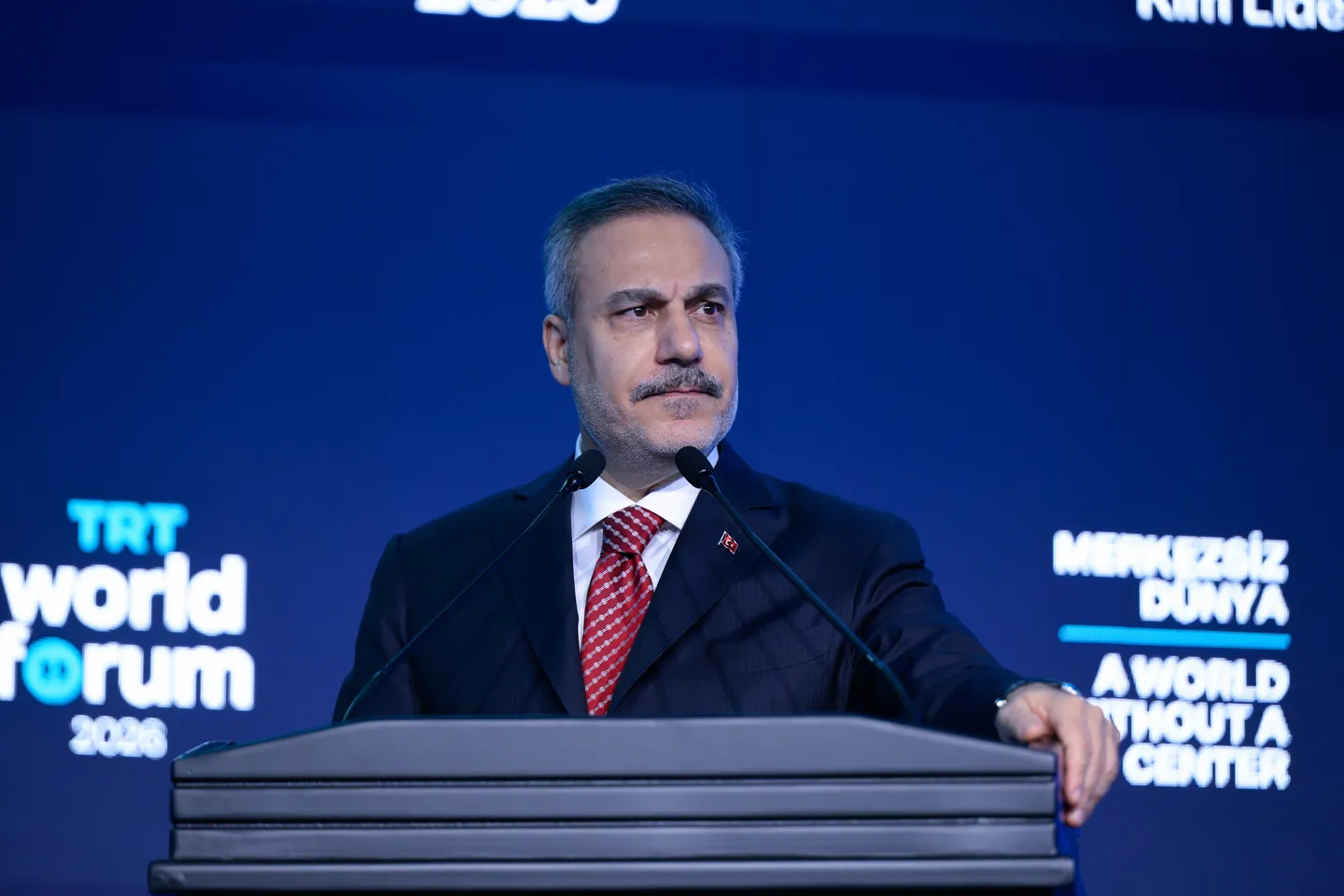
Turkish Foreign Minister Hakan Fidan has warned that “a maritime corridor can become a battlefield, a pipeline can become an instrument of pressure”, highlighting how insecurity along vital trade routes threatens economies far beyond conflict zones.
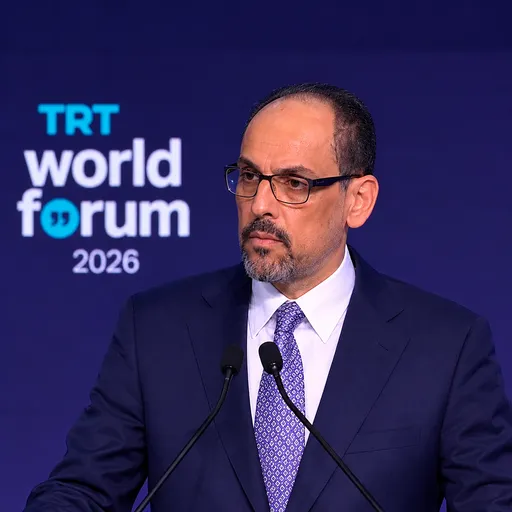
Speaking at the TRT World Forum on Saturday during the session “The New Geopolitics of Connectivity: Sea Lanes, Chokepoints, and Corridors”, Fidan said growing global connectivity had also exposed countries to disruptions at critical transit points.
“A single chokepoint can affect economies thousands of kilometres away. In such circumstances, connectivity itself can become a strategic concern,” he said.
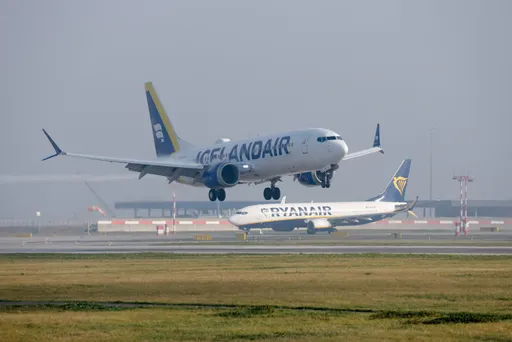
Fidan said attacks on commercial vessels and disruptions to maritime trade were undermining regional stability and restricting the free flow of goods, with particularly serious consequences for countries already facing food insecurity.
“They have an impact that extends beyond the region. They pose a major threat to global food security, particularly for vulnerable countries,” he said.
Turning to the Middle East, Fidan warned that insecurity around two of the world’s critical maritime chokepoints was obstructing energy supplies and affecting the wider global economy.
“Growing insecurity and developments in the Bab al Mandeb and Strait of Hormuz are also disrupting critical energy flows. Disruptions along these maritime routes have affected the global economy, as well as food and energy security,” he said.
Preventing further escalation
Fidan linked the threats to maritime trade to broader regional tensions, pointing to Israel’s policies and continuing attacks.
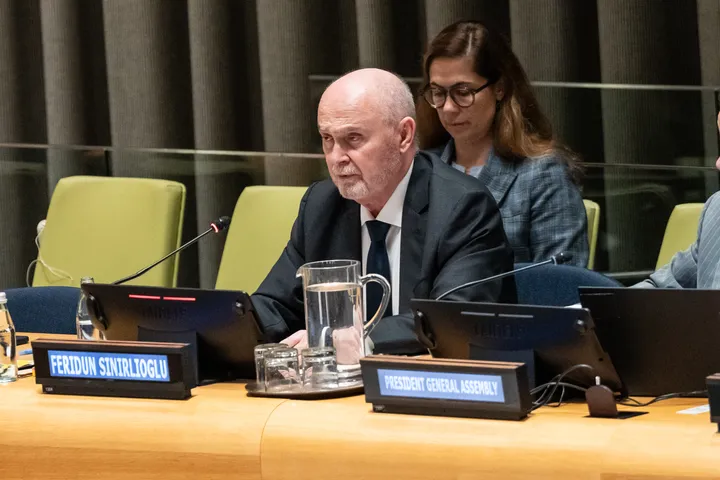
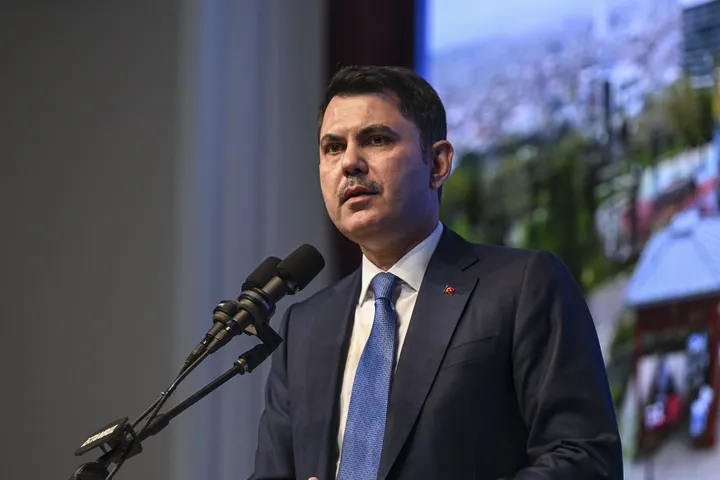





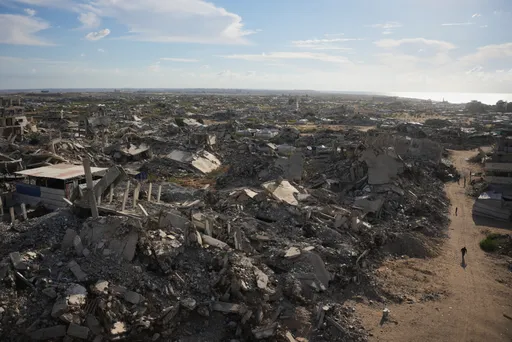
“These obstacles are part of a broader regional dynamic. Israel is pursuing expansionist policies and continuing its attacks against neighbouring countries. It is also continuing its genocide in Palestine,” he said.
He stressed the need to prevent tensions from escalating further and to safeguard the region’s role in global trade and energy supplies.
“Preventing further escalation is essential. Ensuring the security of this region, on which the global economy depends, is vital,” Fidan said.

Securing access to markets
Fidan also warned that dependence on a limited number of routes could turn economic connections into sources of strategic pressure.
Citing the Black Sea, he described how transport infrastructure could become caught up in conflict, with maritime corridors turning into battlefields and pipelines becoming instruments of pressure.
Countries’ efforts to protect their access to supplies and markets could, in turn, intensify competition when those connections came under threat, he said.
“Countries naturally seek to secure their access to raw materials and markets. When this is put at risk, we see insecurity and competition intensify. We must not allow this to happen.”