The US and Israel launched their war on Iran on February 28, and the conflict is now in its eighth month, with a series of developments suggesting the fighting could widen.
The opening US-Israeli strikes killed Supreme Leader Ali Khamenei and other senior officials, and Iran retaliated with attacks on US military bases and oil facilities in the Gulf, alongside repeated disruptions of shipping in the Strait of Hormuz. A memorandum of understanding was reached between the US and Iran in June, aimed at halting hostilities and restoring commercial shipping, but it has now largely broken down.
With Israel heading to the polls on October 27 and the US midterm elections following in November, reports say both countries have drawn up plans for renewed strikes.
Here are five developments that point to a possible new phase of the war.
Trump hints at more strikes
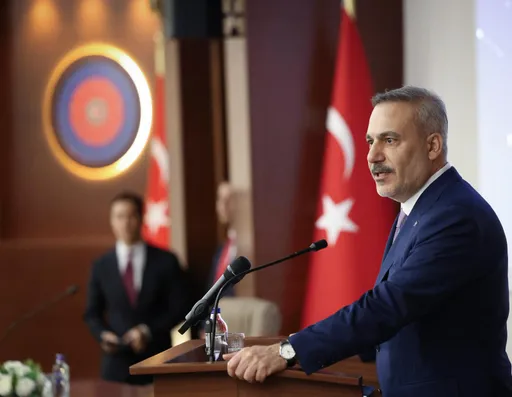
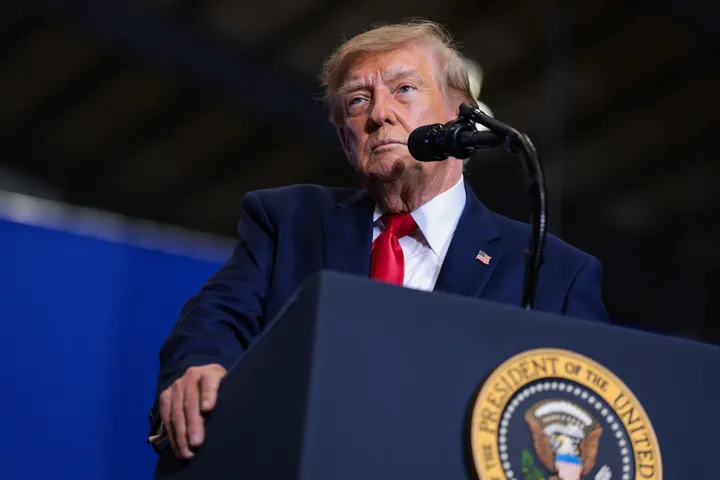
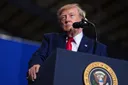
US President Donald Trump has signalled that the war may intensify. He said Washington had "knocked the hell out of" Iran and "may do it a little bit further".
On Wednesday he said the US was not negotiating with Tehran and that "something one way or the other" would happen "fairly soon".
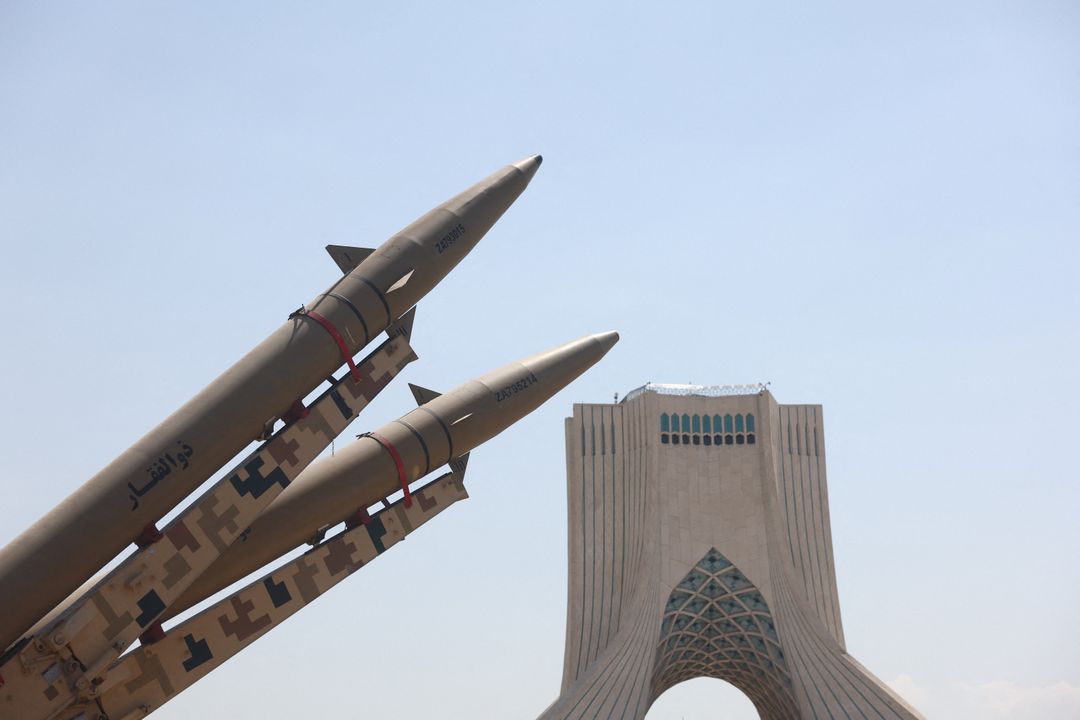
Tehran has answered with threats of its own. Iran's Supreme National Security Council Secretary Mohsen Rezaei warned that Iran could target US-linked energy, data and AI facilities across seven Gulf states, citing a "zero red lines" strategy.
Iran has also vowed to hit regional data centres, undersea internet cables and Saudi oil refineries, including Aramco facilities.
Attacks on shipping around Hormuz surge
Before the war, the Strait of Hormuz handled about 125 large commercial vessels a day and about 20 percent of global crude and LNG supplies. Now it is effectively closed to normal traffic.
The International Maritime Organization has recorded 27 attacks on commercial ships this month, the highest since the war began. At least 24 sailors have died in attacks on 100 commercial ships since February.
Both the US and Iran claim control of the waterway.
US and Israel reportedly draw up strike plans
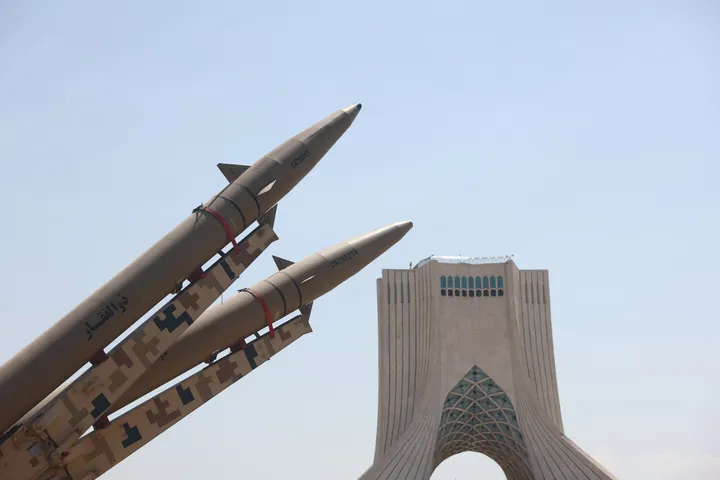
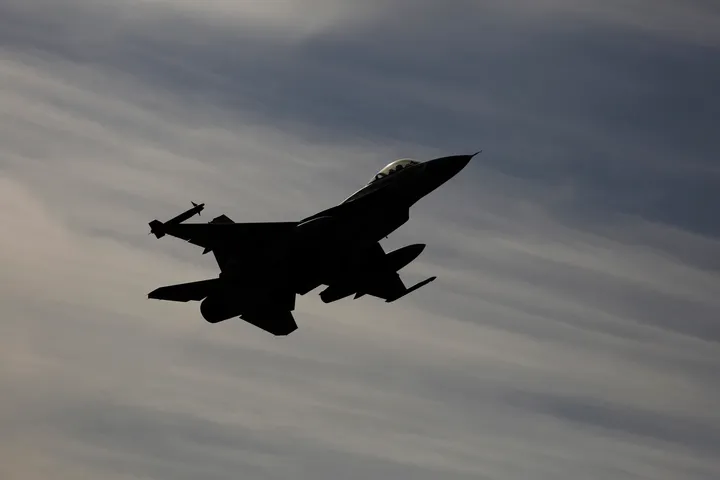
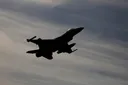

The New York Times reported that the US and Israeli militaries have developed plans for a short but intensive offensive after the US midterm elections, with possible targets including energy, nuclear and missile sites.
They have stepped up exercises, including flights across Iraqi airspace, and US Defense Secretary Pete Hegseth made an unannounced visit to Israel.
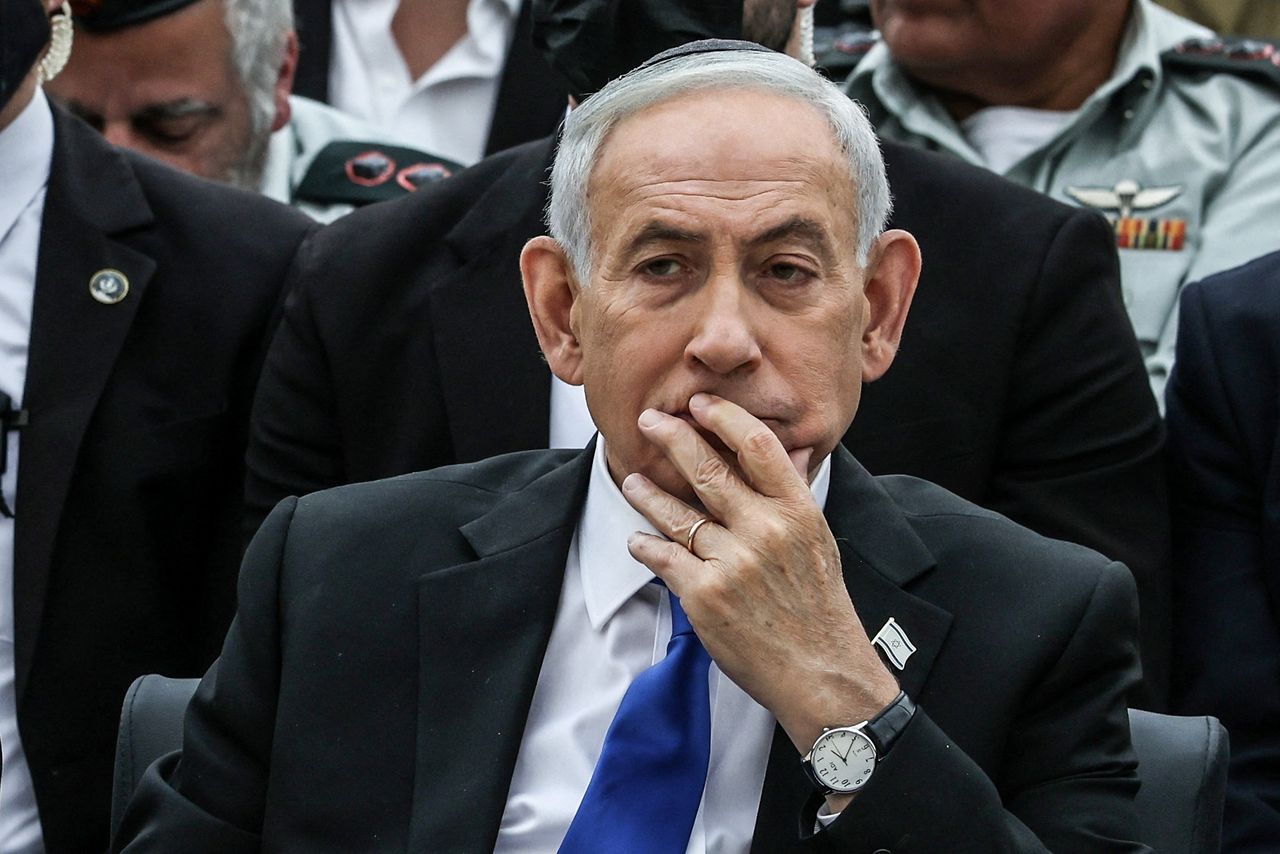
Israeli Prime Minister Benjamin Netanyahu has reportedly pushed for renewed strikes, although Trump has opposed restarting the war before the midterms.
Officials said both militaries were ready to strike earlier this month before Trump called off the operation at the last moment. Analysts suggest Netanyahu could use the prospect of war to press rivals into a unity government after Israel's 27 October election.
Negotiations remain stalled
The memorandum of understanding signed in June after Pakistani and Qatari mediation has stalled amid disagreements, including over navigation in the strait. There is no clear path forward on the US naval blockade, sanctions relief or Iran's nuclear programme.
Rezaei said Iran has set seven conditions through intermediaries and will not reopen Hormuz or resume talks until they are met. Attacks on ships have increased since Trump rejected a Tehran proposal late last month to end the war and open the strait.
Rezaei also cautioned that energy markets may not stabilise for up to three years.
UK deploys fighter jets to Saudi Arabia
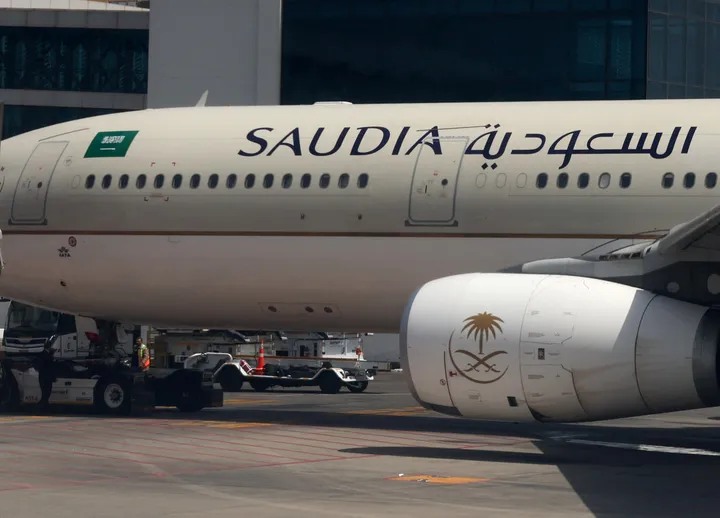
On Tuesday, the UK government said it will deploy Royal Air Force (RAF) Typhoon fighter jets on defensive missions to help protect Saudi Arabia from escalating attacks by the Iran-allied Houthi militia. London said the jets would not carry out offensive strikes.
The move adds to a wider Western military presence in the region. UK jets have already flown defensive sorties over other Gulf states and Jordan.
The US State Department has ordered non-emergency staff and families to leave Saudi Arabia amid Houthi strikes.