Murat Sofuoglu
Israel has been accused of isolating itself further from the international community after it removed a UN-sanctioned independent observer group from the Palestinian city Hebron, mandated to record human right violations in the region.
The group, named Temporary International Presence in Hebron (TIPH), was established by the UN in 1994, after an American Israeli settler killed 29 Palestiniansduring morning prayers at the Ibrahimi Mosque in Hebron, a religious site sacred to both Muslims and Jews in occupied Palestine.
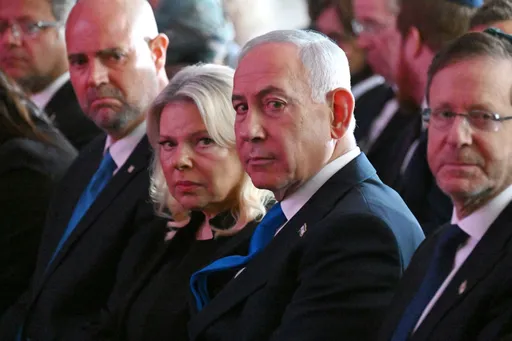
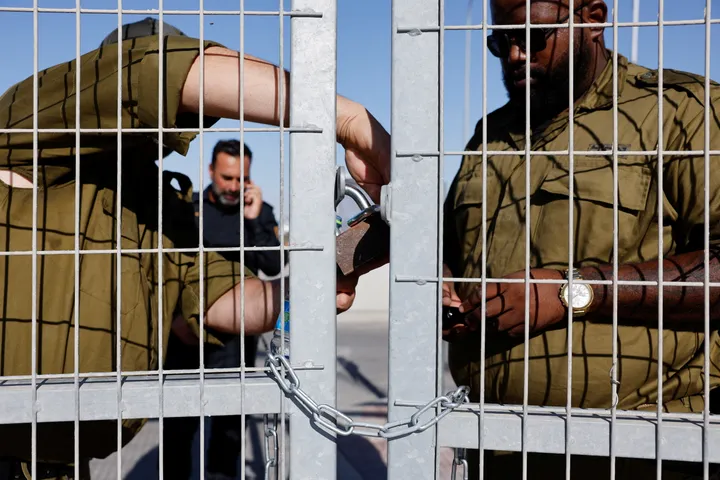
“We will not allow the continuation of an international force that acts against us,” Israel’s hardline Prime Minister Benjamin Netanyahu said to explain Tel Aviv’s decision.
TIPH refused to comment on the issue, telling TRT World that the Norwegian Embassy in Tel Aviv and the Norwegian Foreign Ministry in Oslo would be the right sources to contact. However, neither institution replied to TRT World's requests for comment.
Netanyahu’s recent announcement is in line with a string of similar Israeli measures which have been widely condemned by the international community. Last year, Israel was "the most condemned" nation at the UN. Out of 27 UN condemnations, Israel received 21.
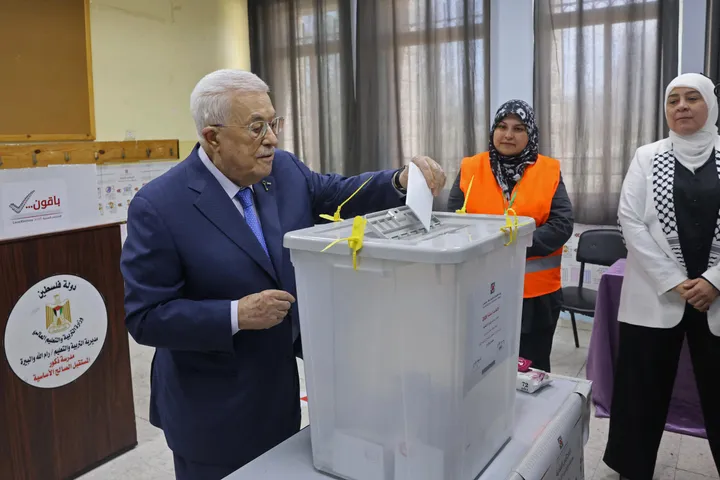
"The Israeli government's decision means it has abandoned the implementation of agreements signed under international auspices, and given up its obligations under these agreements," said Nabil Abu Rudeineh, spokesman for Palestinian Authority President Mahmoud Abbas, which strongly condemned the Israeli announcement.
Last month, the Israeli press revealed an extensive 100-page internal reportby the TIPH, which was described as “exhaustive” and “damning” in relation to Israeli actions in divided Hebron.
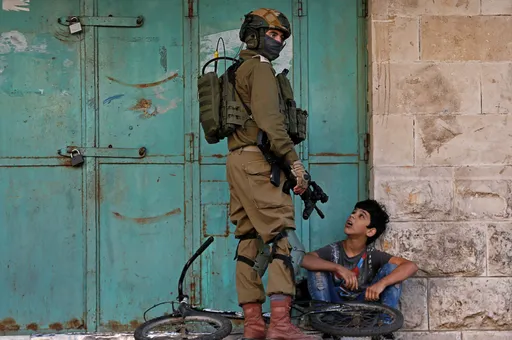
The report, which has been based on more than 40,000 “incident reports”, stated that Israel discriminates against Palestinians in a “severe and regular breach” of international law, making life miserable for Palestinians in the city.
The report has also accused the Israeli government and “illegal” settlers of making the city “more divided than ever”, according to news website Haaretz.

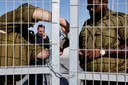



Israel expels what it has previously acceded
While Netanyahu described the TIPH as an anti-Israeli organisation, the group became operative in Hebron after a concrete agreement between Israel and the Palestinian Authority in 1997, following the UN mandate.
The Hebron Protocol, which called on Denmark, Norway, Italy, Sweden, Switzerland, and Turkey to contribute observers for the international mission, has created a system in which every six months both sides have renewed the observers’ mandate.
Tel Aviv has consistently renewed the mission’s mandate, putting aside its discomfort with the mission’s role in the region.
TIPH was not only monitoring human rights but also reporting on "efforts to maintain normal life in the city of Hebron, thus creating a sense of security among the Palestinians in Hebron”.
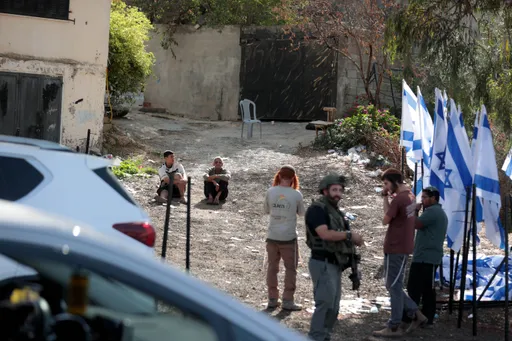
With elections in Israel slated for April, critics say Netanyahu is trying to appease his right-wing base as well as illegal settlers who have been campaigning against the TIPH mission in Hebron for years.
"They want to uproot us from here. They will not," Netanyahu, who is facing serious corruption charges, said on January 27 while visiting another illegal West Bank settlement.
"There's a line of thought that says that the way to achieve peace with the Arabs is to be extirpated from our land. That is the certain path to achieving the opposite of this dream,” Netanyahu said.
Israel’s TIPH decision also comes at a time when Palestine’s unity government has resigned under pressure from President Mahmoud Abbas. Hamas strongly criticised the move saying the Abbas-led Fatah party wanted to isolate the group, which has controlled Gaza since the 2006 elections.