The foreign ministers of Iran, Russia and Turkey held talks on Syria in Kazakhstan on Friday, almost a month after the Moscow and Tehran-backed regime began pounding an opposition enclave just outside of Damascus.
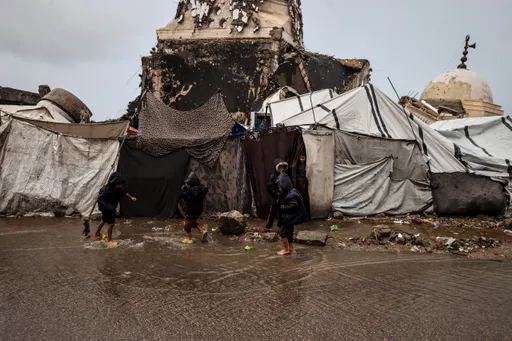
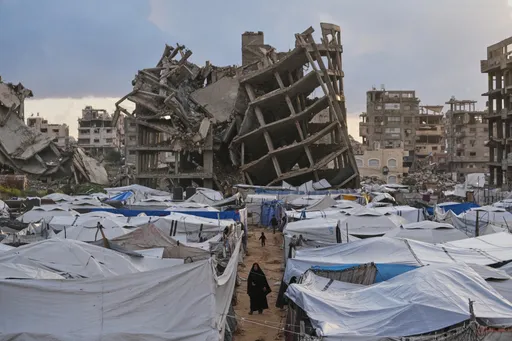
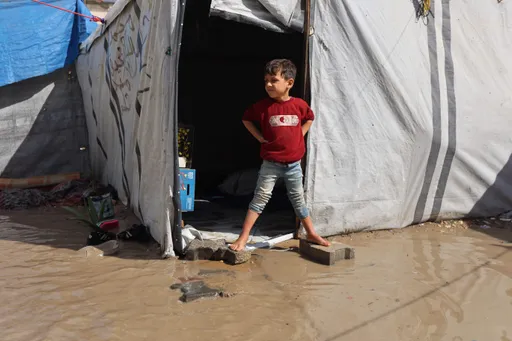
The dire humanitarian situation in eastern Ghouta, a suburb of the Syrian capital, was on the agenda as Mevlut Cavusoglu of Turkey, Sergey Lavrov of Russia and Mohammad Javad Zarif convened in the Kazakh capital, Astana, on Friday.
The other de-escalation zone, Idlib, where the clashes are continuing between the rebels and regime forces, was also on the agenda.
TRT World's Hasan Abdullah reports.
Focus on Syria's territorial integrity
Speaking at the outset of the talks Friday, Lavrov said that "millions of Syrians are looking in the direction of Astana" as the three power brokers work towards an end to the conflict. "Turkey, Russia and Iran support territorial integrity of Syria as guarantor countries of peace talks," he added.
The meeting is expected to lay ground for a summit involving the presidents of the three countries in Istanbul on April 4.
The three ministers discussed the latest humanitarian, security and political situation in Syria, including efforts at alleviating the humanitarian situation, fighting international terrorist groups, observance of ceasefire agreements and taking measures to reduce violence on the ground.
A joint press release from the talks underlined the unity and territorial integrity of Syria, as well as agreement on the need to reduce the risk of ethnic and sectarian divide.
The Russian and Iranian officials also underlined that the future of Syria must be secured "without outside political interference."
Any threat from the United States to strike the Syrian capital Damascus would be unacceptable, added Lavrov.
Kazakhstan has hosted multiple rounds of talks on Syria since January 2017, backed by the three power brokers, most of which involved delegations from the Syrian regime and opposition.
A deal for four "de-escalation zones" agreed on in Astana last year on May was credited with reducing hostilities between the regime and its opponents in some areas. But the regime and its backers are continuing their assault on eastern Ghouta and Idlib.
'Hell on earth'
Nearly 500,000 people have been killed since Syria's war started in 2011. It has since spiralled into a complex conflict involving multiple world powers.
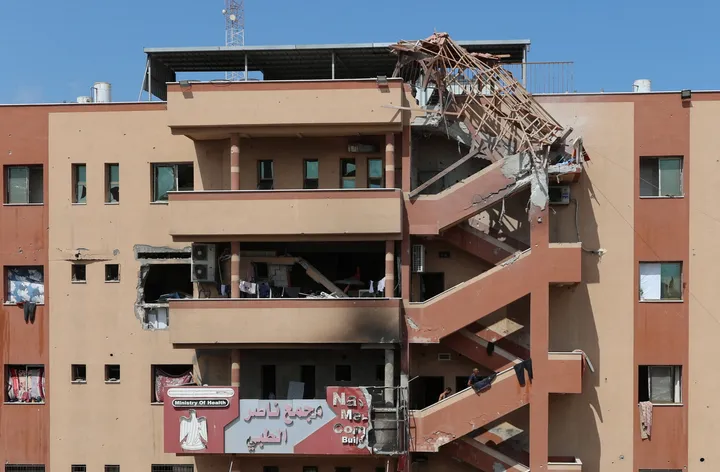
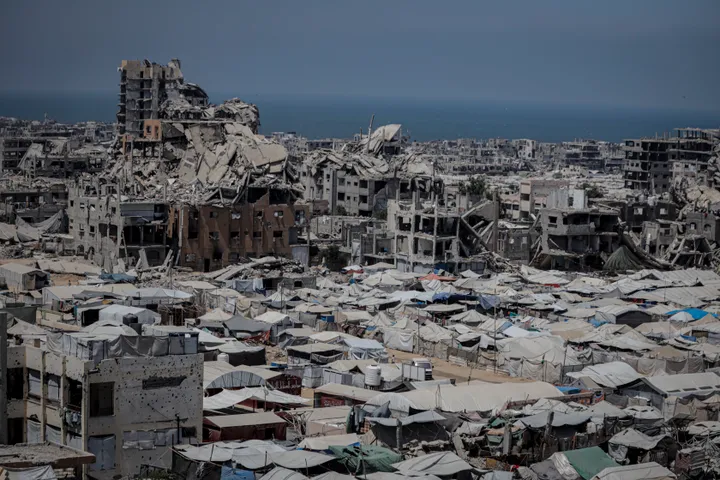
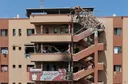
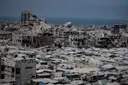
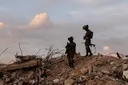
Speaking at the press conference, Turkish Foreign Minister Mevlut Cavusoglu said that the situation in Syria's eastern Ghouta was heading towards disaster and urged for an end to clashes.
According to the 14th and 15th articles of the joint statement, the three ministers "underscored the need to ensure rapid, safe and unhindered humanitarian access to areas affected by the ongoing conflict"and "expressed their concern with the ongoing violations of the ceasefire regime."
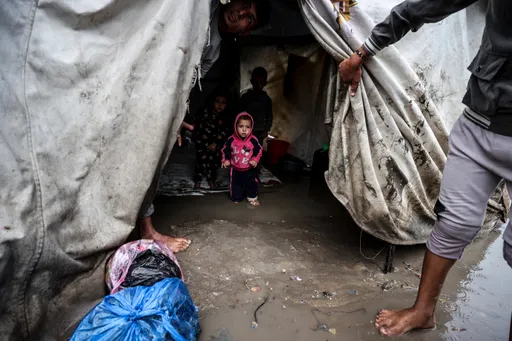
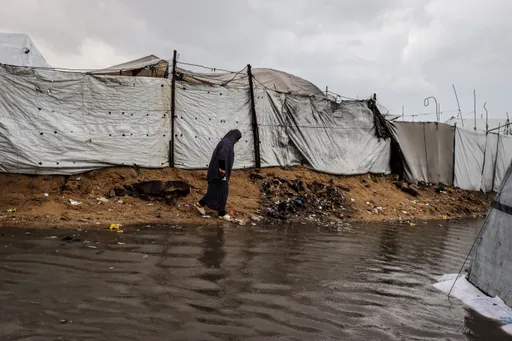
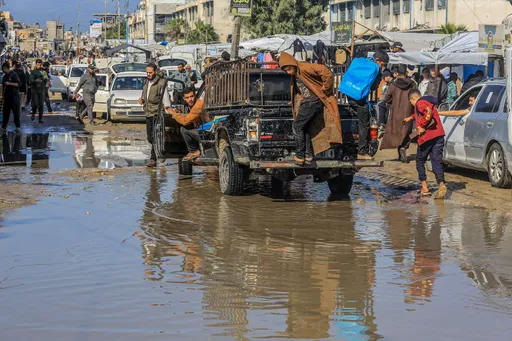
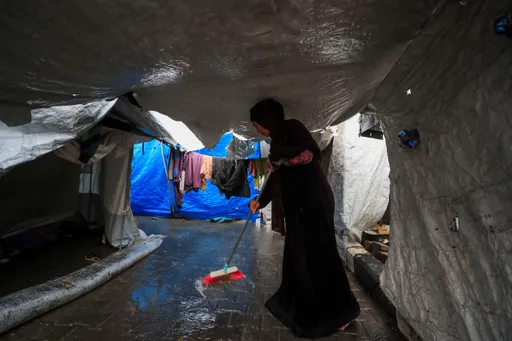
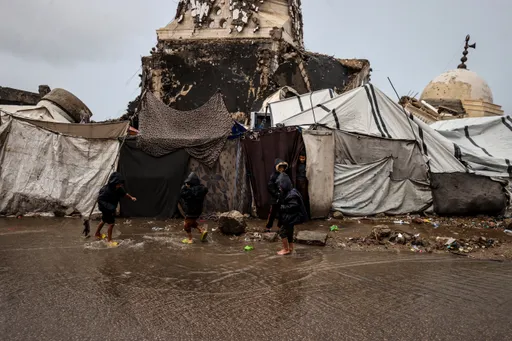
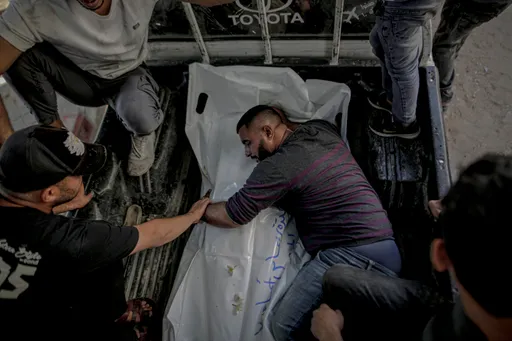
In recent weeks the focus has been on eastern Ghouta. Nearly 1,260 civilians have been killed there, a fifth of them children, since the Syrian regime's bombardment of the opposition enclave began on February 18.
The Russian defence ministry said that around 2,000 people left Syria's eastern Ghouta on Friday morning, and the Russian military said that 20,000 might leave the region on the same day.
UN chief Antonio Guterres has described the former opposition stronghold facing stark shortages of food and other basic goods as "hell on earth."
Forces loyal to Syrian regime leader Bashar al Assad are now believed to control over 70 percent of the enclave that saw nearly 20,000 civilians flee on Thursday alone, according to the Syrian Observatory for Human Rights (SOHR).
Regime air strikes and artillery have been pounding the enclave since February 18, killing over 1,000 civilians since the bombing campaign was launched, according to the Syrian Observatory.
Syria's regime kept carrying out strikes despite the UN Security Council's demand for a ceasefire "without delay" at the end of February.
Moscow and Damascus say their forces only target armed militants and seek to stop mortar attacks by opposition groups that has killed dozens of people in the capital.
They accuse the opposition of using civilians as human shields, which the fighters deny and say the regime and its allies target civilians under the pretext of fighting "militants."
Turkey's Afrin operation
Operation Olive Branch started on January 20 after a period of talks between Turkey and Russia. Moscow has controlled Syrian air space since 2015.
Despite the agreement between the two powers, Turkey has faced some obstacles on the ground, a topic which was also on the agenda of Astana talks.
Pro-regime and Iran-backed Shia militias continuously facilitated the movement of YPG "reinforcements" from Manbij to Afrin.
Subsequently pro-regime and Iran-backed Shia militias, consisting of a small convoy, tried to advance into the Afrin region, but were eventually stopped by Turkish air bombardment.
The UN Syria envoy Staffan de Mistura is missing the Astana talks because of illness, his office said on Thursday, adding that his deputy, Ramzi Ramzi, would take his place.