During its war with the US and Israel, Iran forced the US to confront the rise of cheap, commercial-grade drones and the limits of its appetite for retaliatory attacks.
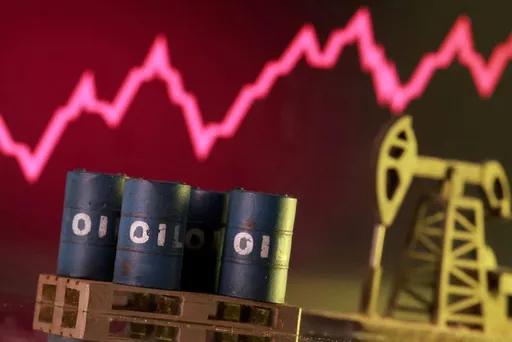
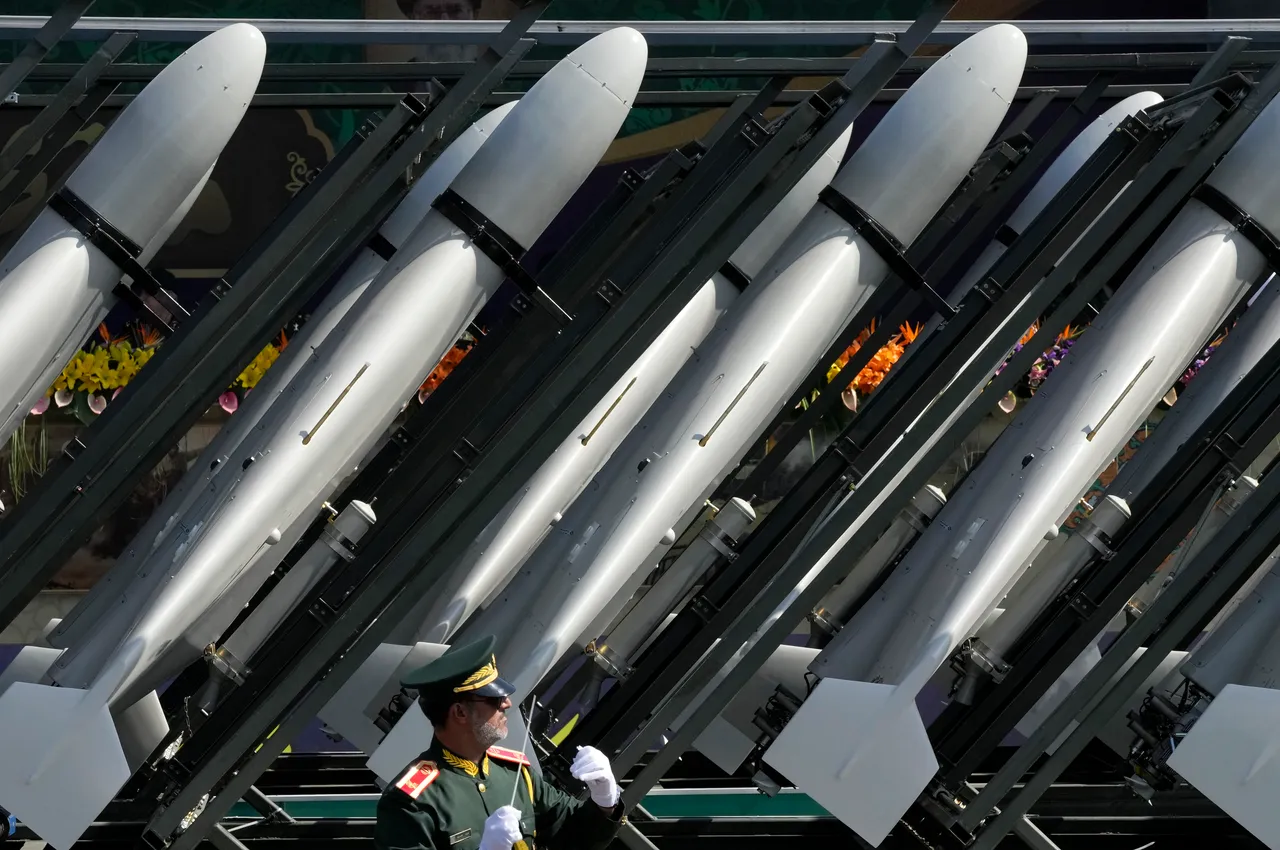
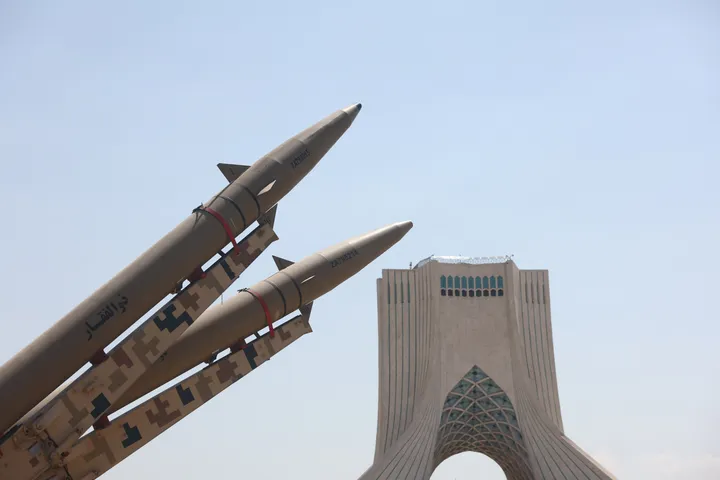
According to a report by The New York Times, while an Iranian Shahed-136 drone costs roughly $35,000 to produce, the high-tech military interceptors used to down them cost millions, exploiting a critical gap in American defence investments.
In the first six days alone, the US spent $11.3 billion on the conflict.
Estimates from the American Enterprise Institute suggest the total cost reached between $25 billion and $35 billion by early April, with interceptors driving the bulk of the expenditure.
The high cost of low-tech threats
In an ideal scenario, early warning aircraft detect a drone hundreds of miles out, allowing an F-16 to dispatch it using Advanced Precision Kill Weapon System (APKWS) II rockets.
While these air patrols are cost-efficient, the vast scope of the conflict limited their availability.
Furthermore, Iran targeted the very early warning aircraft the US relies on for long-range detection.
To counter drones at shorter ranges, the US utilises the Coyote system, which can intercept targets up to nine miles away.
Despite being effective and relatively cheap, the US military procured few Coyotes in recent years.
A Navy destroyer's Aegis Combat System uses Standard Missile 2 (SM-2) interceptors to down drones, but military protocol requires firing at least two missiles per target.


Similarly, the Army's Patriot system remains the standard for base defence.
While it can strike a drone from 27 miles away, using PAC-3 MSE missiles remains an incredibly expensive.
When a drone is less than a mile from its target, ground-based guns like the Centurion C-RAM provide a final layer of defence.
While the cost per round is low, the C-RAM's extremely short range makes it a last resort rather than a primary solution.
AI and laser alternatives
The Pentagon is now looking toward AI-powered interceptor drones, such as the Merops Surveyor, to hunt enemy projectiles at a lower cost.
Thousands of these units have been sent to the Middle East, though their deployment status remains unclear.
Other efforts, such as $1 billion invested in laser technology that would cost just $3 per shot, have yet to be used in the field.
While a costly defence is often necessary to protect billion-dollar assets like regional radar hubs, the long-term concern for the US is not just the price tag.
Defence analysts warn that the US may run out of sophisticated interceptors before it can replace them, leaving critical gaps in regional security.