Cuba has refused a request by the United States Embassy in Havana to import diesel for its generators, highlighting tensions — and contradictions — in Washington’s ongoing fuel blockade of the island.
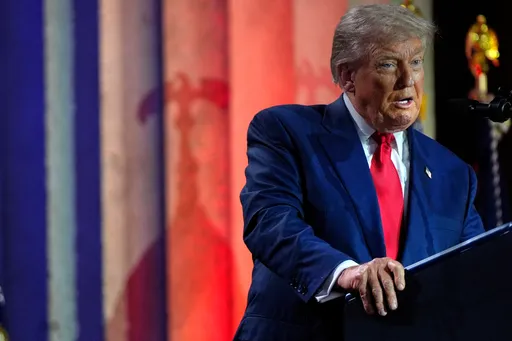
According to US officials cited in reporting by Associated Press, the Cuban government rejected the request even as the Trump administration continues to restrict oil supplies to Cuba, contributing to a severe nationwide energy crisis.
The refusal comes as the US State Department considers reducing embassy staff due to fuel shortages — a move that could trigger reciprocal cuts at Cuba’s embassy in Washington.
The standoff underscores a stark contradiction: while Washington blocks fuel shipments to the island and pressures other countries not to supply oil, it simultaneously seeks diesel imports to keep its own diplomatic operations running.
Energy crisis deepens
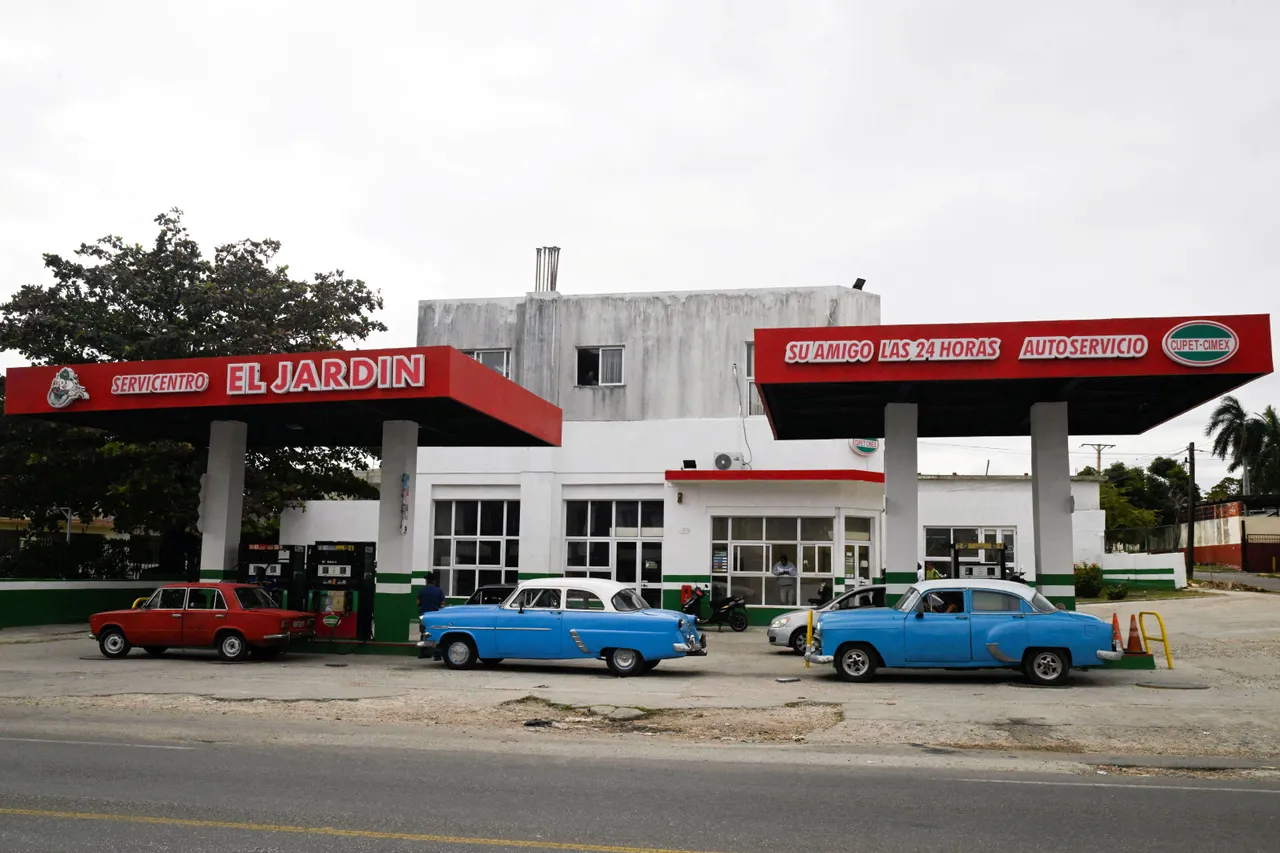
Cuba has been grappling with acute fuel shortages after the United States cut off vital oil flows, including supplies from Venezuela, and threatened sanctions on countries that attempt to provide fuel to Havana.
The impact has been severe.
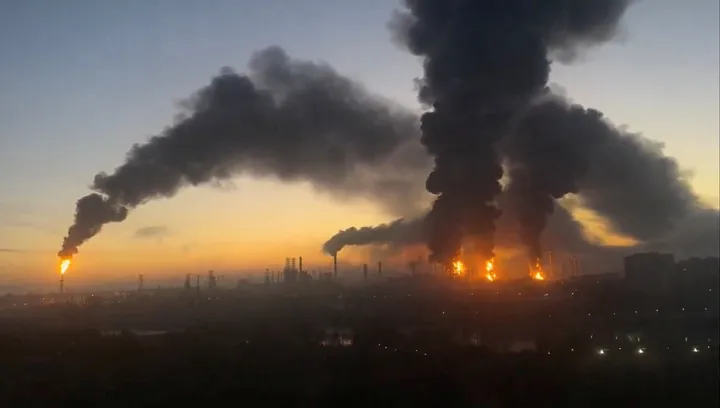





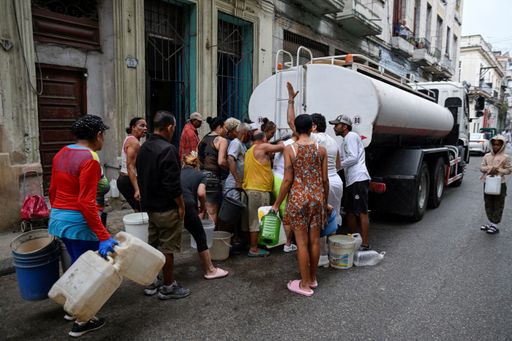
Blackouts, transport disruptions and shortages of basic goods have spread across the island, with millions affected by the energy crunch.
Fuel scarcity has forced Cuba to scale back electricity generation, while hospitals, universities and essential services have faced interruptions.
Pressure and politics
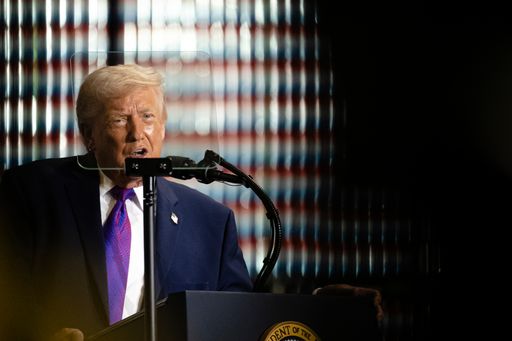
Washington has defended its policies as part of broader pressure on the Cuban government, while critics — including international observers — argue the measures amount to collective punishment of civilians.
At the same time, humanitarian aid has begun arriving from various countries and grassroots initiatives, underscoring growing global concern over the island’s worsening conditions.
Cuba’s refusal to supply diesel to the US embassy appears to be both a political signal and a practical response to scarcity, as the country struggles to meet its own energy needs under tightening sanctions.
The episode reflects the broader strain in US-Cuba relations, where diplomatic necessity, economic pressure and humanitarian realities increasingly collide.