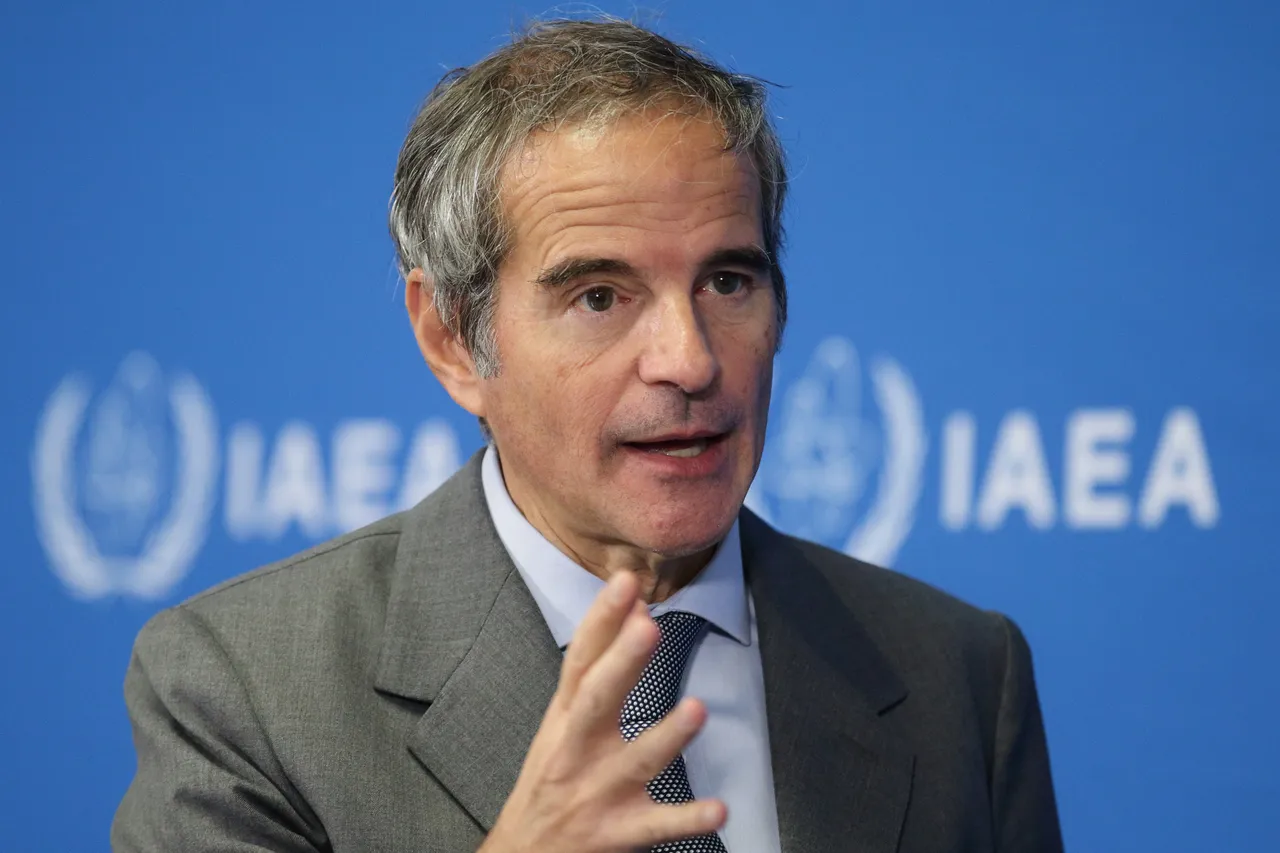
The head of the UN's nuclear watchdog has said his agency has "no indication" that any nuclear installations have been damaged or hit in Iran following US and Israeli strikes on the country.
At the opening of an extraordinary session of the International Atomic Energy Agency (IAEA)'s board of governors on Monday, the agency's head, Rafael Grossi, urged "all parties to exercise maximum restraint to avoid further escalation".
"Regarding the status of the nuclear installations in Iran, up to now, we have no indication that any of the nuclear installations, including the Bushehr Nuclear Power Plant, the Tehran Research Reactor or other nuclear fuel cycle facilities have been damaged or hit," he said.
The agency was trying to contact the Iranian nuclear regulatory authorities "with no response so far", Grossi said in his statement, released by the IAEA, as he opened the session.
"We hope this indispensable channel of communication can be reestablished as soon as possible," he added.
‘Just the pretext to attack and invade’
Iran's ambassador to the IAEA’s Reza Najafi said the key nuclear site Natanz had been attacked, without specifying further.
Najafi said that the United States' accusation that Iran tries to have a nuclear bomb was "just the pretext to attack and invade".
"The head of the Atomic Energy Organisation of Iran yesterday sent a letter to the director general and informed him that the Natanz nuclear facilities, which is a safeguarded facility, have been attacked during this aggression," he said.
Grossi told reporters during a press conference later Monday that he stood by his statement to the board.
"We haven't seen major military activity targeting their facilities. We have been looking at different satellite images. There might be something there, but not significant or comparable in any way to what we saw last time," he said.
A 12-day war in June last year saw Israeli and US strikes on key Iranian nuclear facilities, including Natanz, which IAEA inspectors have not been given access to visit since then.
No agency inspectors are in Iran at the moment, Grossi said, adding the conversation with Iran is "very limited" since the strikes started.
'Very concerning'
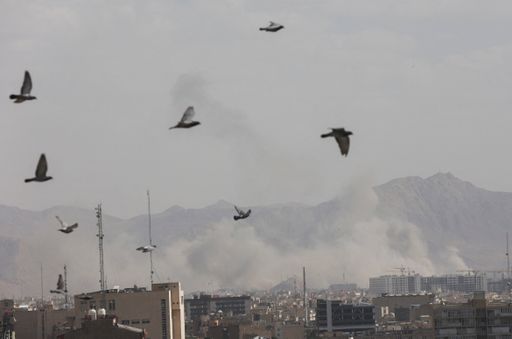
Grossi, in his opening statement, said that the situation in the Middle East was "very concerning" after the strikes on Iran and its retaliatory missile attacks.
"Iran and many other countries in the region that have been subjected to military attacks have operational nuclear power plants and nuclear research reactors, as well as associated fuel storage sites, increasing the threat to nuclear safety," he added.
Grossi called for diplomatic negotiations to resume "as quickly as possible".
Grossi attended two Oman-mediated rounds of talks between Iran and the United States last month in Geneva on Iran's nuclear programme.
"An understanding eluded the parties this time. I am sure we are, quite understandably, feeling a strong sense of frustration," he said.
The extraordinary meeting preceded an already scheduled regular session of the IAEA's board of governors, which represents 35 countries.
The extraordinary session of the Vienna-based body was called at the request of Russia, a key ally of Tehran, following the same request by Iran over the weekend.
Western countries led by the United States and Israel, Iran's arch-enemy, accuse Tehran of seeking to acquire nuclear weapons.
Tehran denies having such military ambitions but insists on its right to this technology for civilian purposes.