 Abhishek G Bhaya
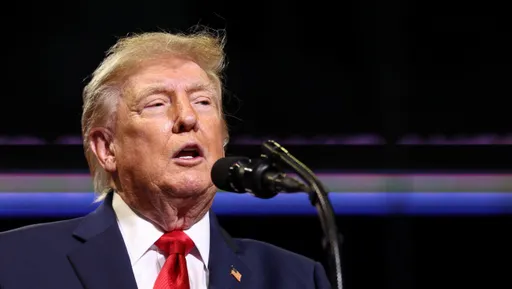
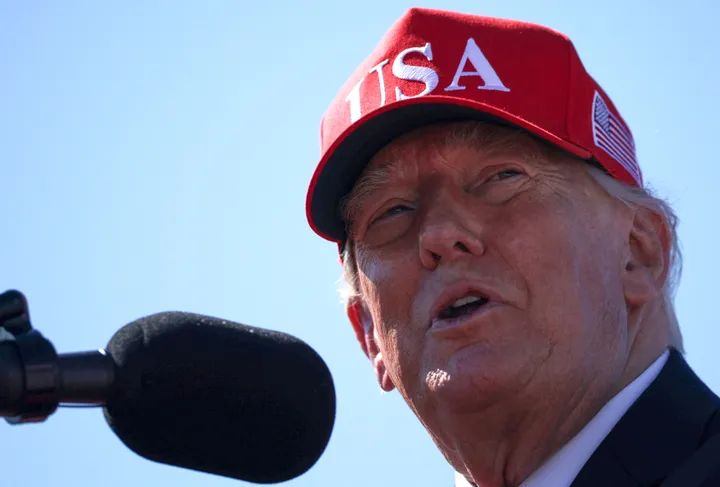
For decades, Oman has operated in the Middle East as a quiet stabiliser — often working behind the scenes to safeguard US diplomatic, military and strategic interests in the region. That long record now stands in stark contrast to recent US rhetoric that has included threats to “blow up” a trusted partner and impose sanctions.
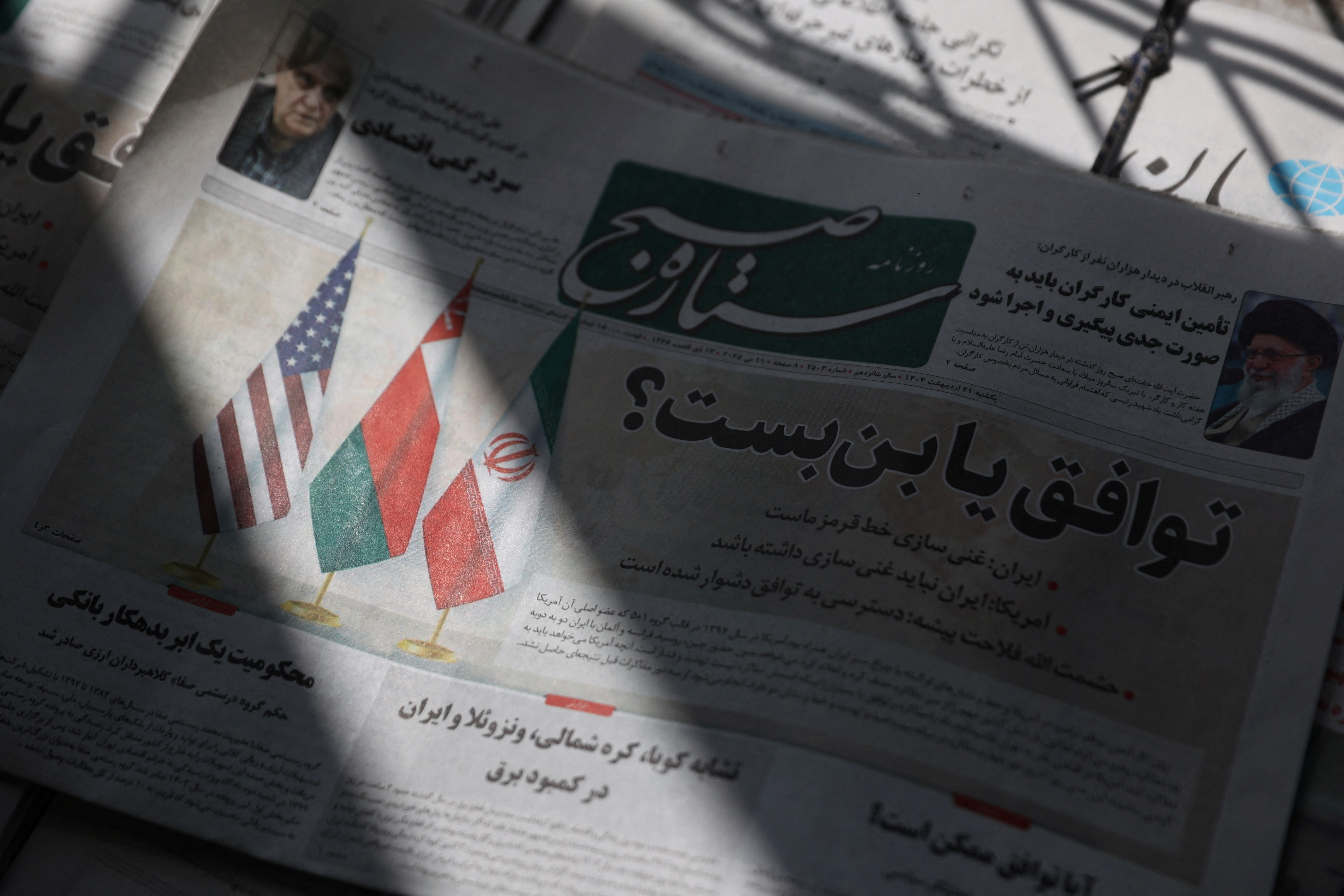
Recent US threats over Oman’s reported consultations with Iran on maritime arrangements have triggered sharp reactions across the region. But they also sit uneasily alongside decades of steady and quiet cooperation between Washington and Muscat.
Oman has consistently avoided confrontational politics, instead cultivating a reputation as one of the Middle East’s most trusted intermediaries — especially in moments when direct US engagement with adversaries was politically sensitive or diplomatically impossible. This role has, at critical junctures, included helping open and sustain communication channels between the United States and Iran.
Against this backdrop, Oman’s contributions to US interests in the region have been both consistent and consequential.
Here are six major ways Muscat has played a behind-the-scenes role in supporting American objectives over the past five decades:
1. Oman hosted the secret US-Iran talks that led to the 2011 nuclear deal
Perhaps Oman’s most consequential diplomatic contribution to US interests came during the Barack Obama administration.
Beginning around 2011, Muscat quietly facilitated secret backchannel talks between American and Iranian officials that eventually laid the groundwork for the 2015 Joint Comprehensive Plan of Action (JCPOA), commonly known as the Iran nuclear deal.
At a time when direct diplomacy between Washington and Tehran was politically toxic, Oman became the one regional actor trusted by both sides.
Many diplomats later described Oman as the “unsung hero” behind the nuclear agreement.
Ironically, the same deal Oman helped broker was later abandoned by Trump during his first term.
2. Oman repeatedly helped secure the release of detained Americans
Muscat has long acted as a trusted intermediary in hostage and prisoner negotiations involving Iran and Yemen. Over the years, Oman has helped secure the release or humanitarian evacuation of at least 14 living Americans, in addition to the return of one American’s remains.
One of the most well-known examples came in 2010–2011, when Oman played a central role in securing the release of three American hikers – Sarah Shourd, Shane Bauer and Joshua Fattal –detained in Iran after crossing the border from Iraq.
Sarah Shourd was freed in September 2010 for what the Iranians said were humanitarian reasons – and a half-million dollar bail reportedly paid by Oman’s then Sultan Qaboos bin Said.
Over the years, Oman also facilitated negotiations involving Western detainees, dual nationals, aid workers, and American citizens held in conflict zones where Washington lacked direct channels of communication.
In several cases, Oman succeeded precisely because it maintained working relations with actors the US itself could not openly engage.
3. Oman gave the US critical military and naval access in the Gulf
Since the 1980s, Oman has quietly provided the United States access to key ports, airfields, and logistical facilities that became strategically important during multiple conflicts.
These included the Iran-Iraq War, the 1991 Gulf War, the US-led invasion of Iraq and maritime security missions in and around the Gulf.
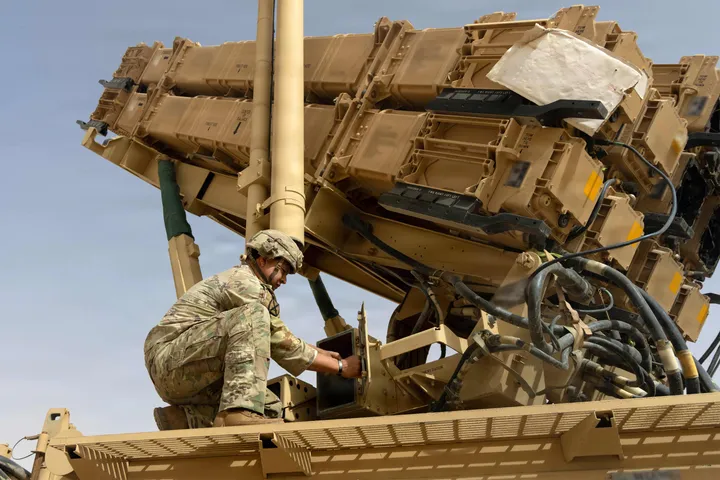
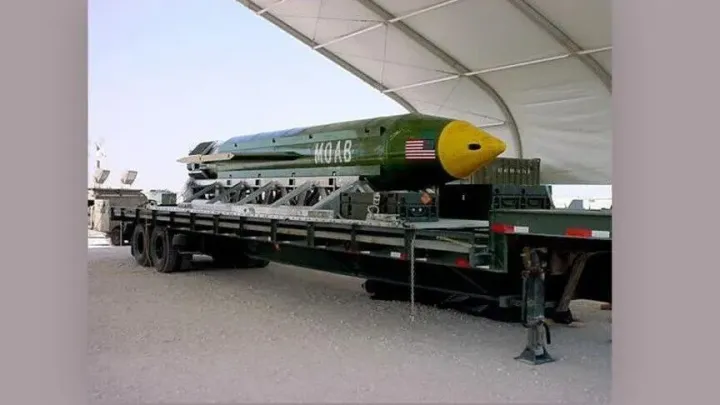
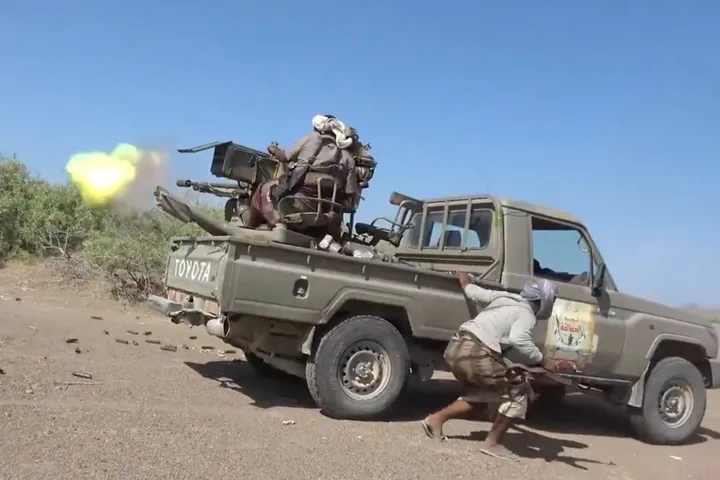

Oman’s geography — especially its proximity to the Strait of Hormuz — made it a crucial component of US naval strategy in the region.
Unlike some regional partners, Oman generally offered this cooperation without public grandstanding or aggressive rhetoric.
4. Oman helped maintain stability in the Strait of Hormuz
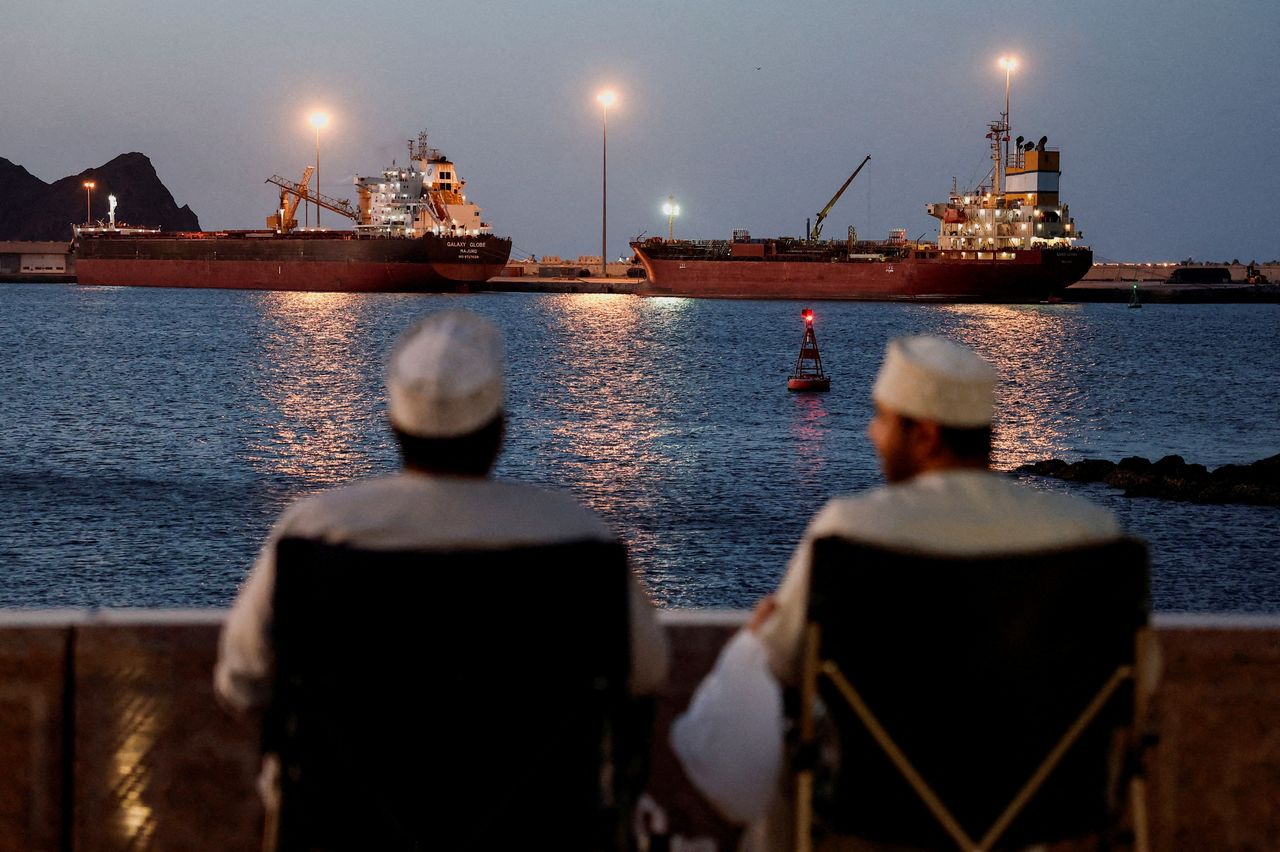
The Strait of Hormuz is not merely adjacent to Oman — the sultanate is one of the principal states bordering the strategic waterway.
For decades, Muscat pursued a balancing strategy aimed at preventing escalation in the Gulf and ensuring maritime stability.
This approach often aligned closely with American economic and strategic interests.
At moments of crisis, Oman functioned as a de-escalatory actor rather than a confrontational one, helping prevent tensions from spiralling into wider regional conflict.
That is one reason many analysts viewed Trump’s recent threats against Oman as strategically counterproductive.
5. Oman acted as Washington’s diplomatic bridge to Tehran
Even outside formal nuclear negotiations, Oman frequently served as an unofficial communication channel between Washington and Tehran.
Whenever direct US-Iran communication collapsed, Muscat often carried messages between the two sides, helping avoid miscalculations during periods of severe tension.
This role also resurfaced earlier this year, when Oman attempted to facilitate exploratory discussions between Washington and Tehran aimed at reviving a diplomatic understanding before the outbreak of the recent war.
This quiet diplomacy became particularly valuable during naval incidents in the Gulf, prisoner negotiations, and periods of heightened military escalation.
In many ways, Oman helped provide the diplomatic “off-ramp” that prevented earlier crises from escalating before the current war erupted on February 28.
6. Oman played a stabilising role in Yemen that also benefited Washington
Unlike several Gulf states directly involved in the Yemen conflict, Oman maintained communication with multiple factions, including the Houthis.
This allowed Muscat to assist mediation efforts, humanitarian negotiations, and backchannel diplomacy in ways that many other regional actors could not.
For Washington, Oman’s role provided an important indirect channel into one of the region’s most complicated conflicts.
Muscat’s neutrality also helped preserve regional diplomatic space at times when the broader Gulf environment became deeply polarised.
Across decades of regional volatility, Oman has consistently operated as a stabilising actor rather than a confrontational one — often enabling US strategic, diplomatic, and humanitarian objectives without seeking public credit.
It is this long, quiet record of cooperation that makes recent political rhetoric stand out so sharply in Washington–Muscat relations.