The expanding Middle East conflict is accelerating a global hunger emergency, with rising fuel and transport costs driving up food prices and forcing aid agencies to cut assistance to vulnerable populations, the UN World Food Programme (WFP) warned on Friday.
The crisis traces back to a regional conflict triggered by joint US-Israeli strikes on Iran in February, which disrupted key maritime trade routes and energy flows across the Gulf.
The resulting surge in oil prices and supply chain disruptions has rippled far beyond the region, increasing the cost of food production, transportation, and humanitarian operations worldwide.
The WFP said a scenario it projected in March—where up to 45 million people could fall into acute food insecurity if oil prices remained near $100 per barrel—was now materialising, with crude prices staying above that level since early March.
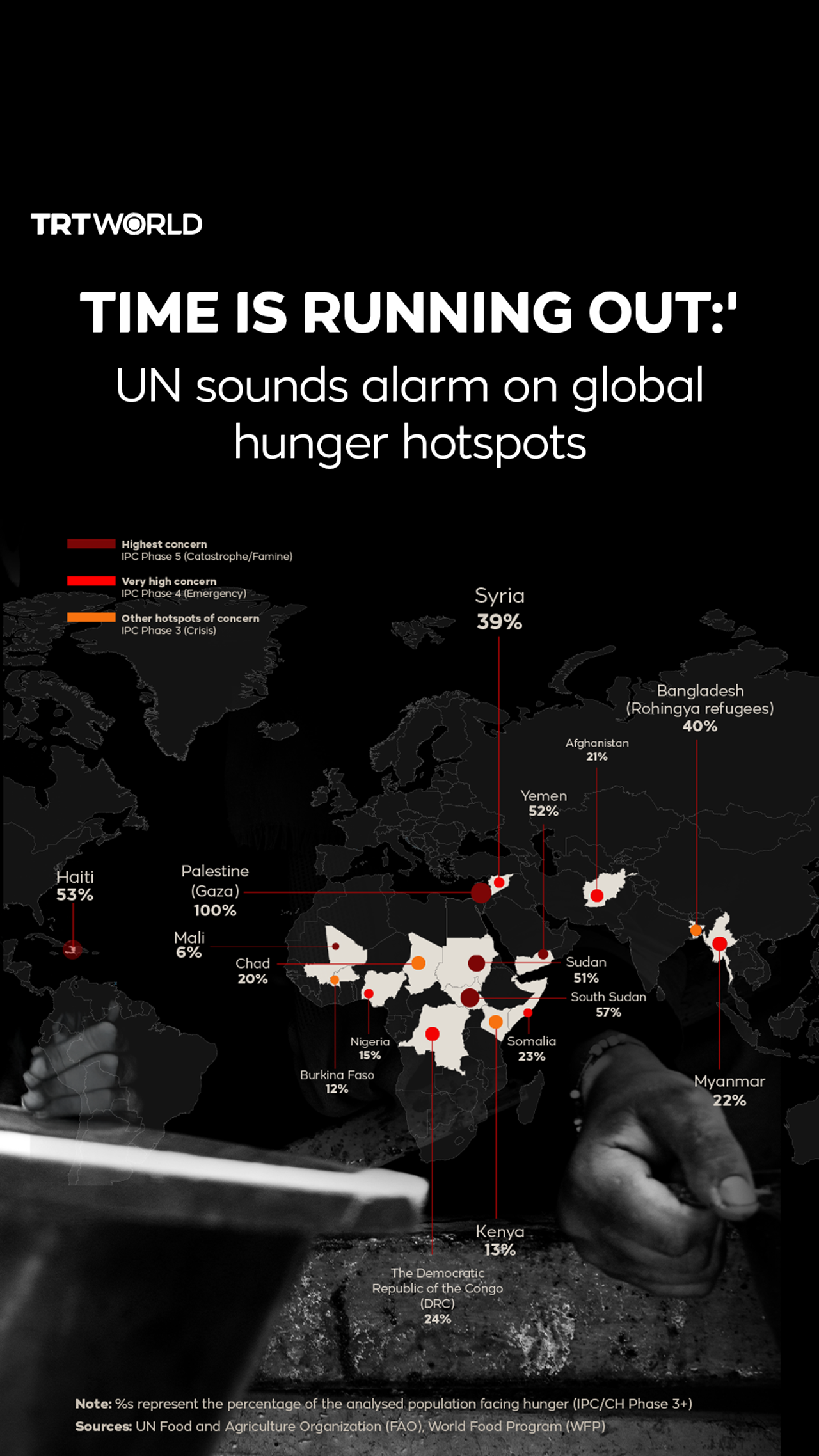
Countries heavily dependent on imported food and energy, including Afghanistan, Somalia and Sri Lanka, are among the hardest hit.
Somalia and Afghanistan face mounting hunger risks
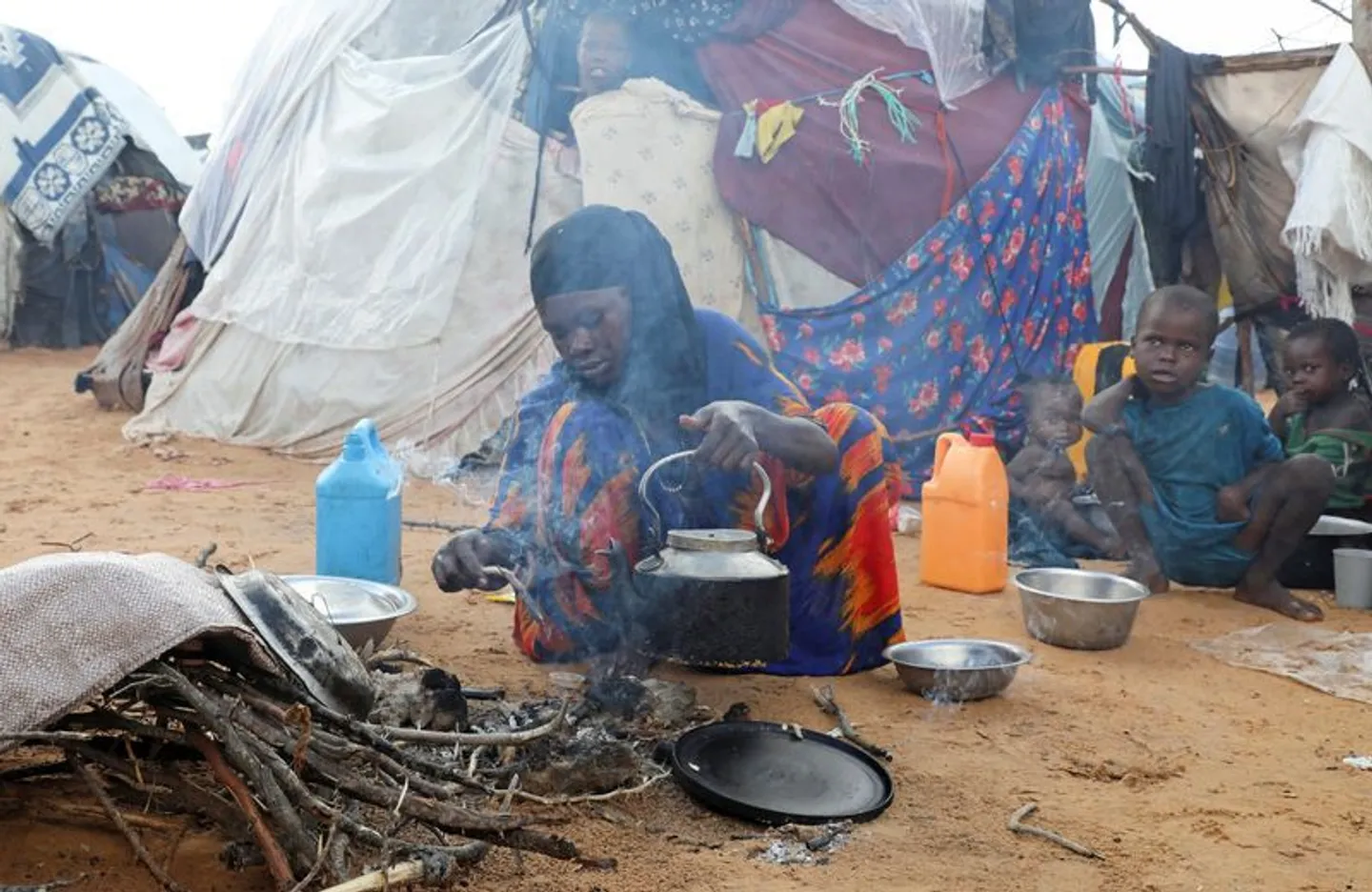
The WFP estimates that 6.5 million people in Somalia—around one-third of the population—could face severe hunger in 2026, while 17.4 million people in Afghanistan are expected to experience acute food insecurity.
If trade disruptions and high energy costs persist, another 2.5 million Somalis and 2.3 million Afghans could be pushed into hunger, the agency warned.
Humanitarian operations are also coming under intense strain.
In Afghanistan, rising fuel costs have increased aid transport expenses by as much as fivefold, while delivery times have stretched from roughly 10 days to as long as 75 days as relief organisations are forced to use alternative routes.





In Somalia, shipping disruptions in the Indian Ocean have reduced vessel traffic, while aid supplies have faced delays at Oman’s Salalah Port, complicating efforts to reach vulnerable communities.
Funding crisis threatens aid for children
The worsening emergency comes as humanitarian agencies grapple with severe funding shortages.
The WFP said it expects to reach 1.5 million fewer people globally in 2026 because of funding constraints, a figure that could rise to 9 million if current conditions persist for another six months.
In Somalia, supplies of specialised nutritious food for children under five suffering from moderate malnutrition could run out as early as July. The agency says it faces an 89 percent funding gap in the country.
“We are running out of food,” said Jean-Martin Bauer, director of WFP’s Food Security and Nutrition Analysis Service. “The ones who will experience the impact of this are going to be very vulnerable children.”
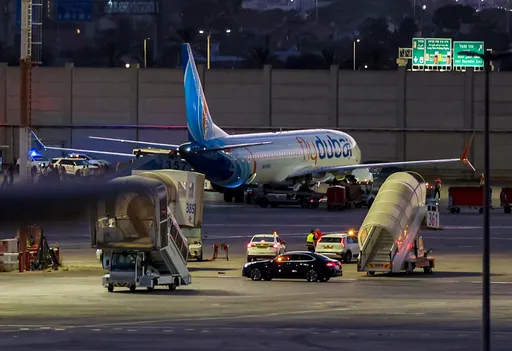
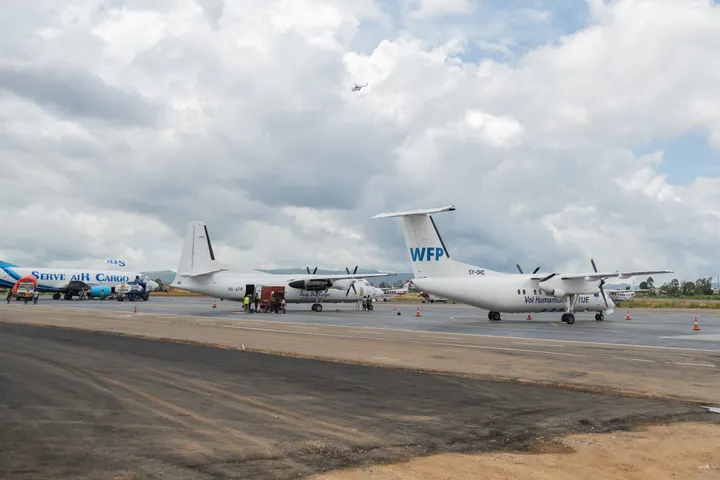
The WFP also warned that soaring jet fuel prices are driving up the cost of the UN Humanitarian Air Service, often the only reliable way to access remote and conflict-affected areas.
As conflict, inflation, and funding shortfalls converge, aid officials say millions of people are increasingly at risk of being left without the food assistance they need to survive.