 Sabir Askeroglu
On July 13, the Russian military-analytical publication Voennoye Obozreniye, citing an article by the Iranian state news agency PARS, reported that Russia should adopt the so-called “Iranian model”.
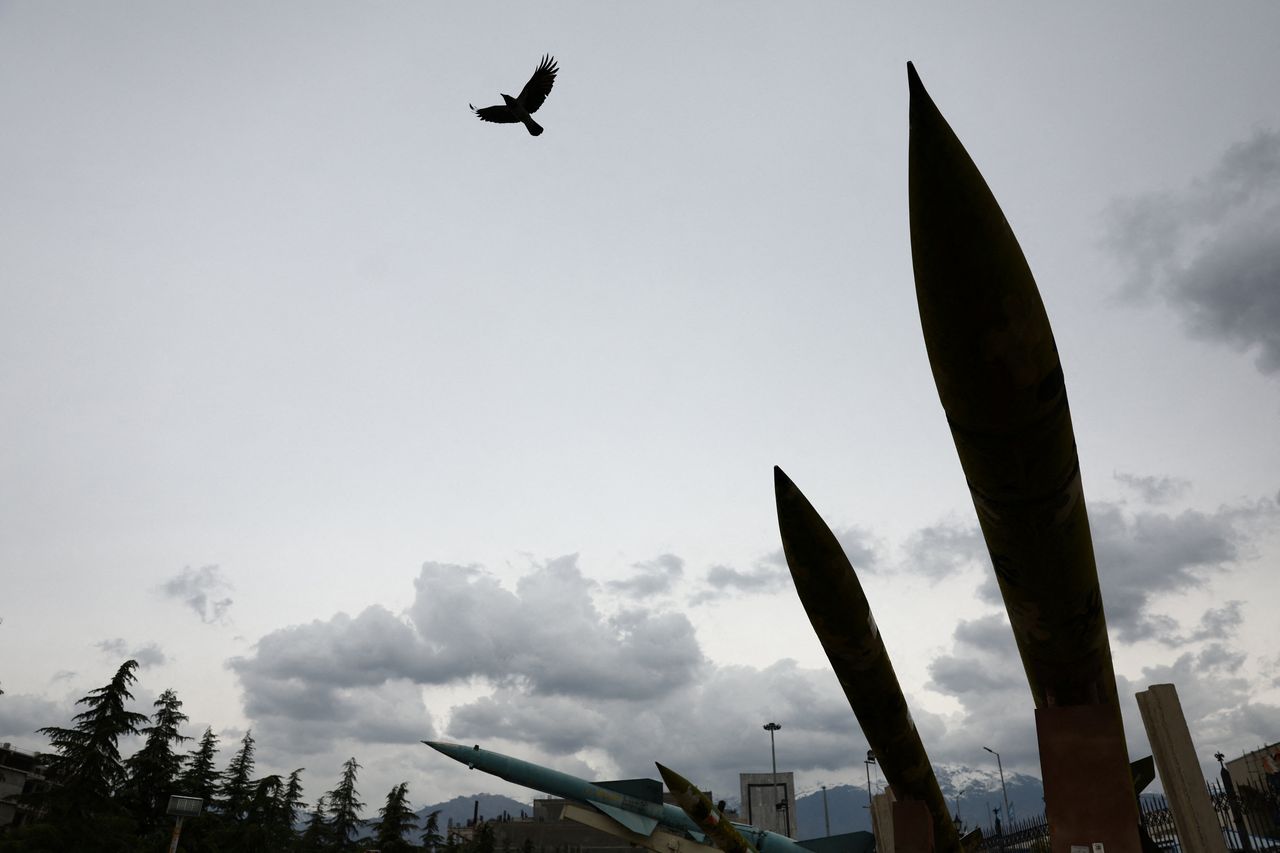
According to Iranian authors, Moscow should move the conflict beyond Ukrainian territory and focus its attacks on the military infrastructure of NATO member countries.
The logic behind this position is that the transatlantic alliance is already effectively a party to the conflict on Kiev's side. Otherwise, they believe, Russia will continue to face increasing attacks on its territory and targets deep within the country.
Such assessments are not limited to Iranian media. Military experts in Russia are also calling for a careful study and application of Iran's experience.
One of them, Yuri Knutov, proposed adjusting Russian military doctrine, taking the so-called "Iranian model" as a basis.
In his opinion, its key feature is the massive and synchronised use of ballistic missiles, with drones serving as a supporting force.
Furthermore, Knutov believes it is necessary to systematically destroy Ukraine's logistics infrastructure—primarily railway hubs, stations, and other critical facilities that supply the Ukrainian army.
War correspondent Alexander Kots expressed a similar position. He believes that strikes should not be limited to infrastructure. Priority targets, he believes, should be representatives of Ukraine's political and military leadership, who make key decisions.
At first glance, such proposals seem quite logical. However, this is precisely where a fundamental strategic error arises.
The approaches of the Russian military theorist Alexander Svechin and the Prussian military theorist Carl von Clausewitz largely converge on this issue.
Svechin's well-known thesis that "every war is unique and requires its own methods of waging" naturally complements Clausewitz's classic formula: "War is a continuation of politics by other means."
Different wars, different logic
This leads to the main principle of strategic analysis: each war has its own political logic and therefore does not allow for universal recipes.
The state, first and foremost, determines the political objective of a war.
Military strategy is merely the instrument for achieving it. If political objectives change, the methods for employing military force inevitably change as well.
A method that proves effective in one conflict will not necessarily yield a similar result in another. That is why wars should be compared not only by the weapons used or the nature of the fighting, but above all by their political objectives.
This is the key difference between the Iranian model and Russia's actions in Ukraine. The strategic logic of these two conflicts is fundamentally different. Iran's approach is inconsistent with Moscow's political and military objectives.
Consequently, the attempt to mechanically transfer the Iranian experience to the Russian-Ukrainian conflict, relying only on the external similarity of individual elements of the war, is not an expression of strategic thinking, but a strategic error.
In this context, the fact that Russia has not deployed its full military potential for over four and a half years can hardly be explained solely by a lack of resources, as is often claimed. To a large extent, it is a deliberate strategic choice.

Moscow's primary goal is not the complete destruction of Ukraine, but rather to end the conflict on its own political terms while preserving a governable Ukrainian state.
It is this political logic that largely determines the choice of military means employed.
Another fundamental difference between the two conflicts lies in the strategic position of the parties. Russia possesses a powerful military-industrial potential capable of sustaining a protracted war and retains a significant degree of strategic initiative.
Iran, by contrast, is playing the role of a state under attack, seeking to restore deterrence and prevent further attacks through a robust retaliatory strike. Consequently, the very logic behind the use of military force in these two cases is fundamentally different.
Equally important is the fact that in the Ukrainian territory of military operations, Russia has a significantly wider range of potential targets capable of influencing the military balance.
In the case of Iran, however, the deterrence strategy against Israel has a much more limited set of targets. Besides Israeli territory, key elements of this strategy are the American military bases located in the region.
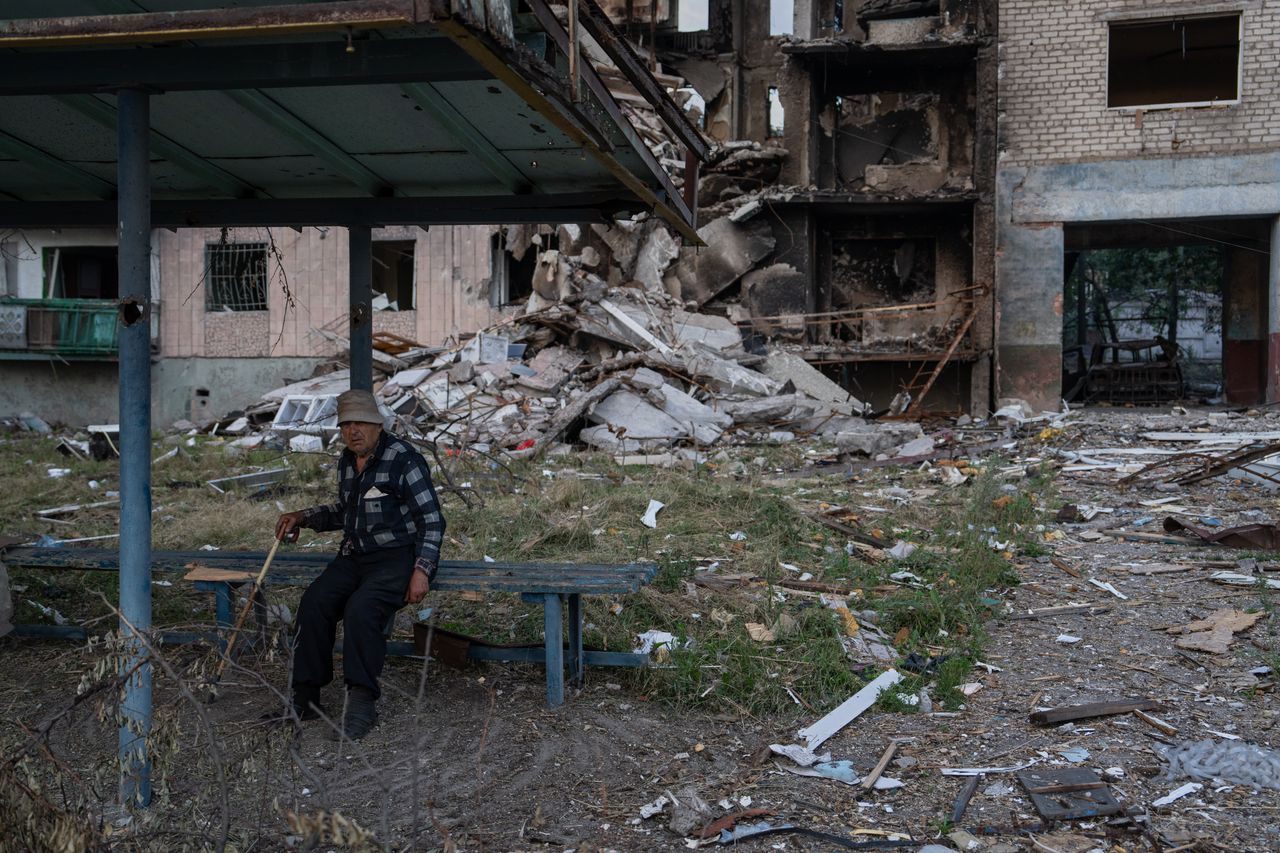
One size doesn’t fit all
Moscow's choice is also determined by the fundamental differences between the European security system and the security architecture of the Middle East.
NATO's collective defence mechanism is fundamentally different from the fragmented and multilayered system of regional relations in the Middle East.
Therefore, Russia's desire to contain the conflict within Ukraine should be viewed not only as a military solution but also as a long-term geopolitical choice.
Expanding the conflict to NATO member states could significantly narrow Moscow's diplomatic options in its future relations with countries such as Türkiye, France, Italy and other European states.
The Russian leadership largely views the Ukrainian conflict as a form of proxy confrontation with the United States, while simultaneously seeking to avoid a direct military clash with NATO, the consequences of which could be irreversible.
This is why the strategy of limiting the conflict to Ukrainian territory rests on a fragile balance among Russia's military, political, and diplomatic interests.
Moreover, Iran could very well be one of the indirect beneficiaries of such a scenario.
If the US and NATO shift their attention more to the European theatre, this could objectively reduce the level of military and political pressure on Tehran.
A strategy that may appear rational from Iran's perspective does not necessarily serve Russia's strategic interests.
(This article was first published on TRT Russian)