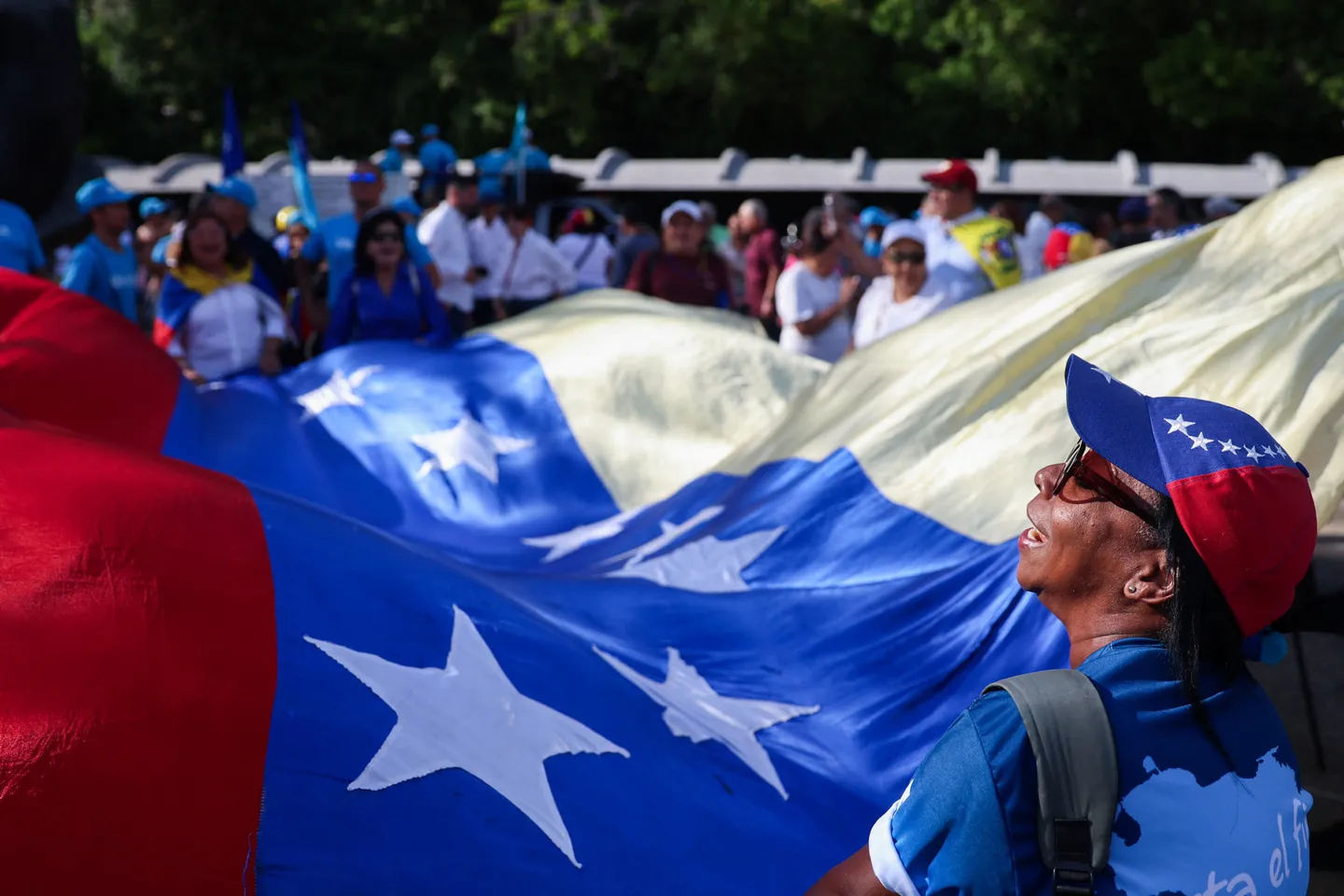
Thousands of Venezuelans have hit the streets in the first nationwide opposition protest in nearly two years, as demonstrators called for elections and political changes with a notably thin presence of security forces.
Her Vente Venezuela movement organised the protest on Thursday, which took place in the capital Caracas and other cities, including Valencia, Maracay, San Cristobal and Maracaibo.
"Seeing this makes me happy because I know change is possible," said 18-year-old cosmetology student Leosmary Hernandez, as she gathered with hundreds of others in northern Maracay.
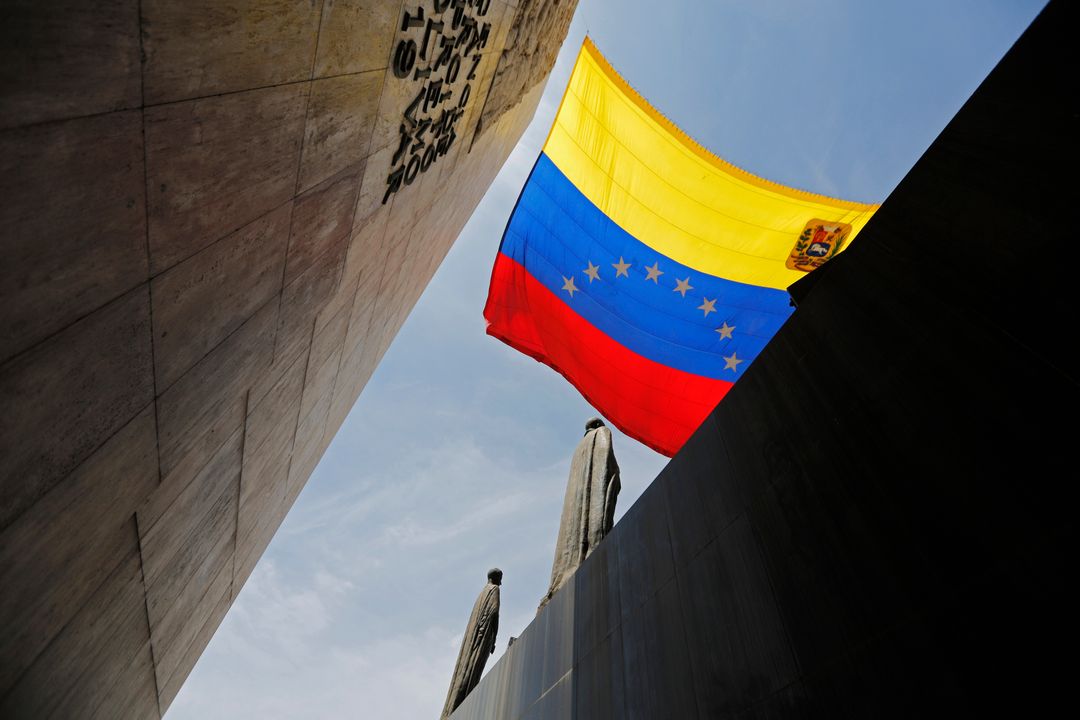
"I went out to protest before, when things were much tougher, and I’m even less afraid today because I want my voice to be heard," she added as music boomed around protesters waving Venezuelan flags.
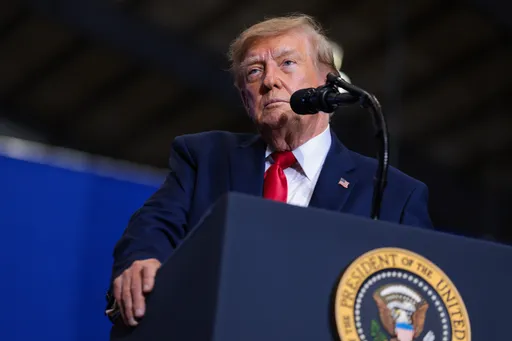
The United States has been working closely with the interim government led by acting President Delcy Rodriguez since US forces abducted and ousted President Nicolas Maduro in January.
Both US President Donald Trump and Rodriguez, Maduro's former deputy, have said there will be elections, but have not set a date either for a legislative vote or a national contest for president.


Counter protests
Venezuela's socialist movement has been in power since 1999, first under the late President Hugo Chavez and then Maduro.
Security forces had minimal presence at protest sites on Thursday, and in many smaller cities demonstrators dispersed before dark.
The ruling Socialist Party called for its supporters to march from Caracas' Plaza Venezuela, the same place the opposition planned to gather two hours later, to a location near the presidential palace to commemorate Breast Cancer Awareness Month.
Interior Minister Diosdado Cabello, known for his close ties to the security services, was pictured on state television attending the march, while the opposition supporters moved their protest to a nearby location.
US-backed talks between a faction of the opposition and the interim government, aimed at remaking the top court and the electoral council with an eye towards ensuring fairness at eventual elections, held their latest session this month, but changes could take significant time.
The negotiations do not include Machado's political movement.