Türkiye is emerging as an increasingly important route for Iraqi crude to reach international markets as disruptions to the Strait of Hormuz continue following the US-Israel war on Iran.
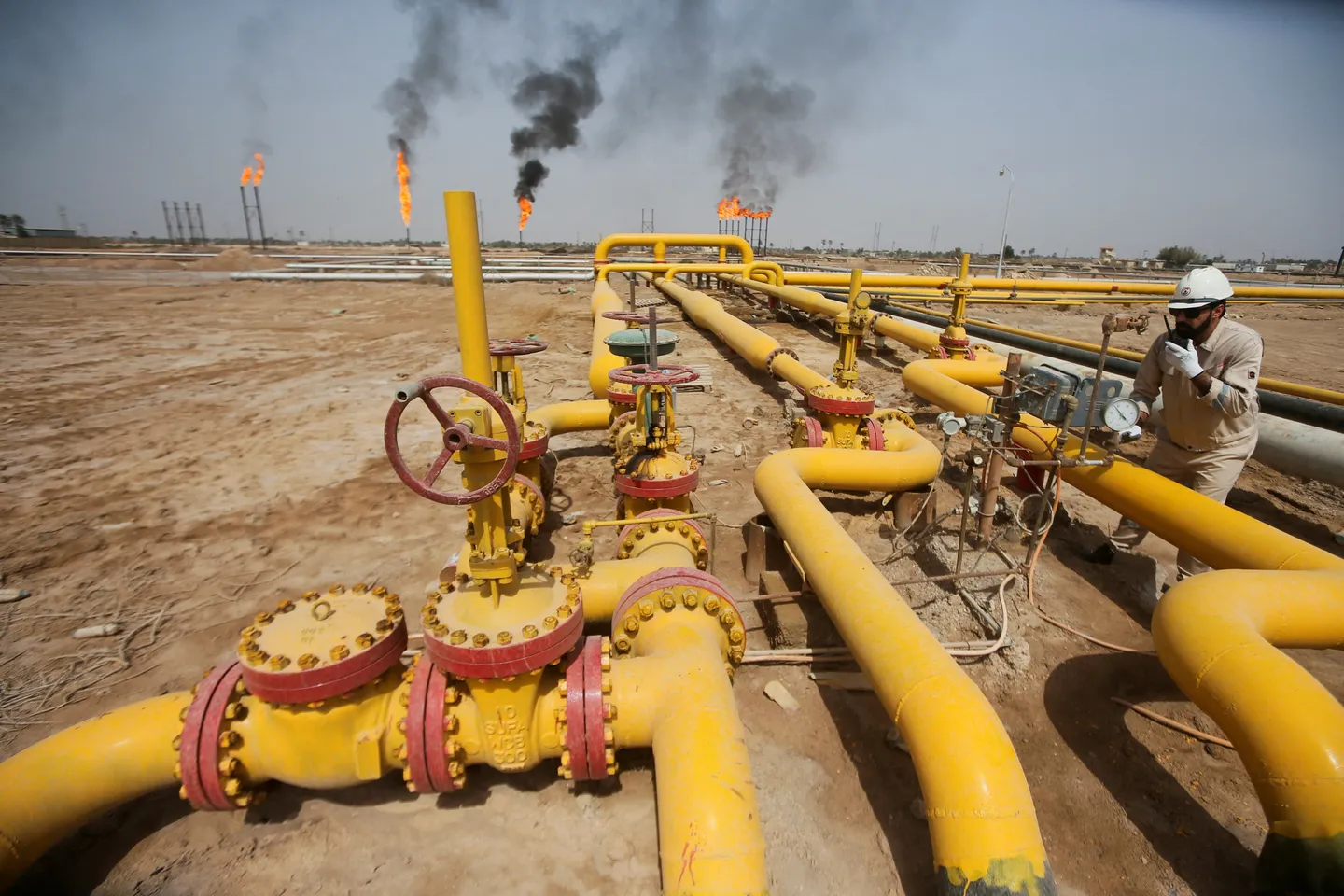
Iraq is currently exporting around 2.6 million barrels per day (bpd) from its southern ports and producing more than three million bpd from southern fields, Bassem Abdul Karim, head of the state-run Basra Oil Company said on Thursday.
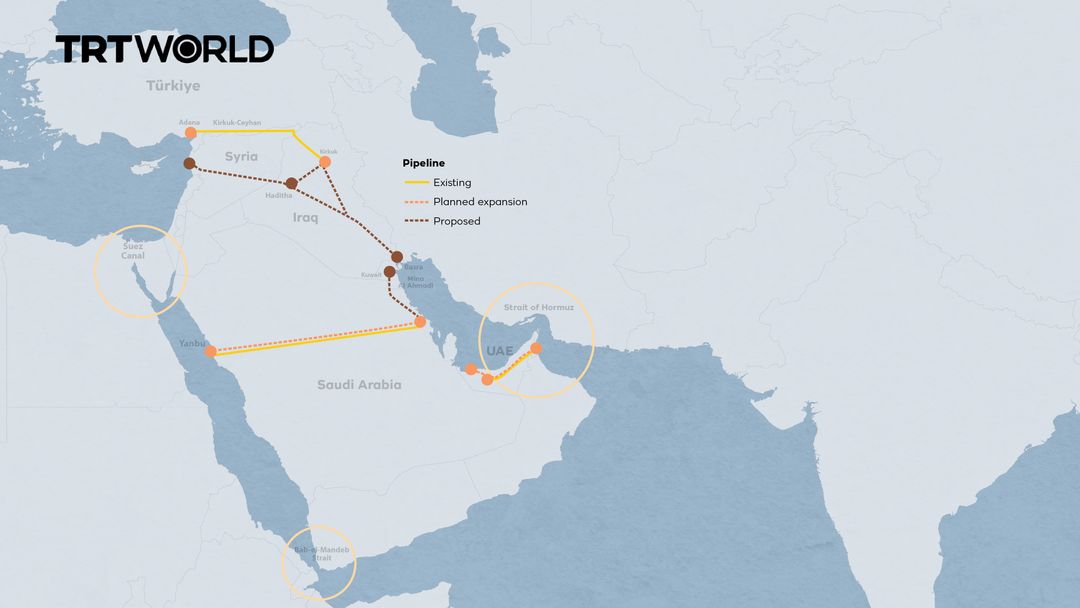
Around 250,000 bpd of Basra crude is now being transported overland to Kirkuk before entering the northern pipeline network and reaching Türkiye’s Mediterranean port of Ceyhan.
The volumes remain relatively small compared with Iraq’s overall oil production, but the shift has brought renewed attention to the decades-old Kirkuk-Ceyhan pipeline as an alternative export corridor.
From Basra to Ceyhan
Iraq launched a pilot operation in September to transport crude by road from its southern oilfields to storage facilities in Kirkuk.
The operation, run by Iraq’s KAR Group, uses tanker trucks to carry crude north before it is pumped through the northern pipeline network and onwards to Türkiye.
During an initial two-day trial, 209 tanker trucks transported more than six million litres of crude from southern Iraq to Kirkuk.
The operation builds on efforts that began earlier this year.
Around 90,000 bpd of Basra crude was being transported north by April. The target increased to 140,000 bpd in May before reaching around 250,000 bpd by September.
The rapid expansion highlights Baghdad’s efforts to connect its major southern oilfields with a northern export corridor that bypasses the Gulf.
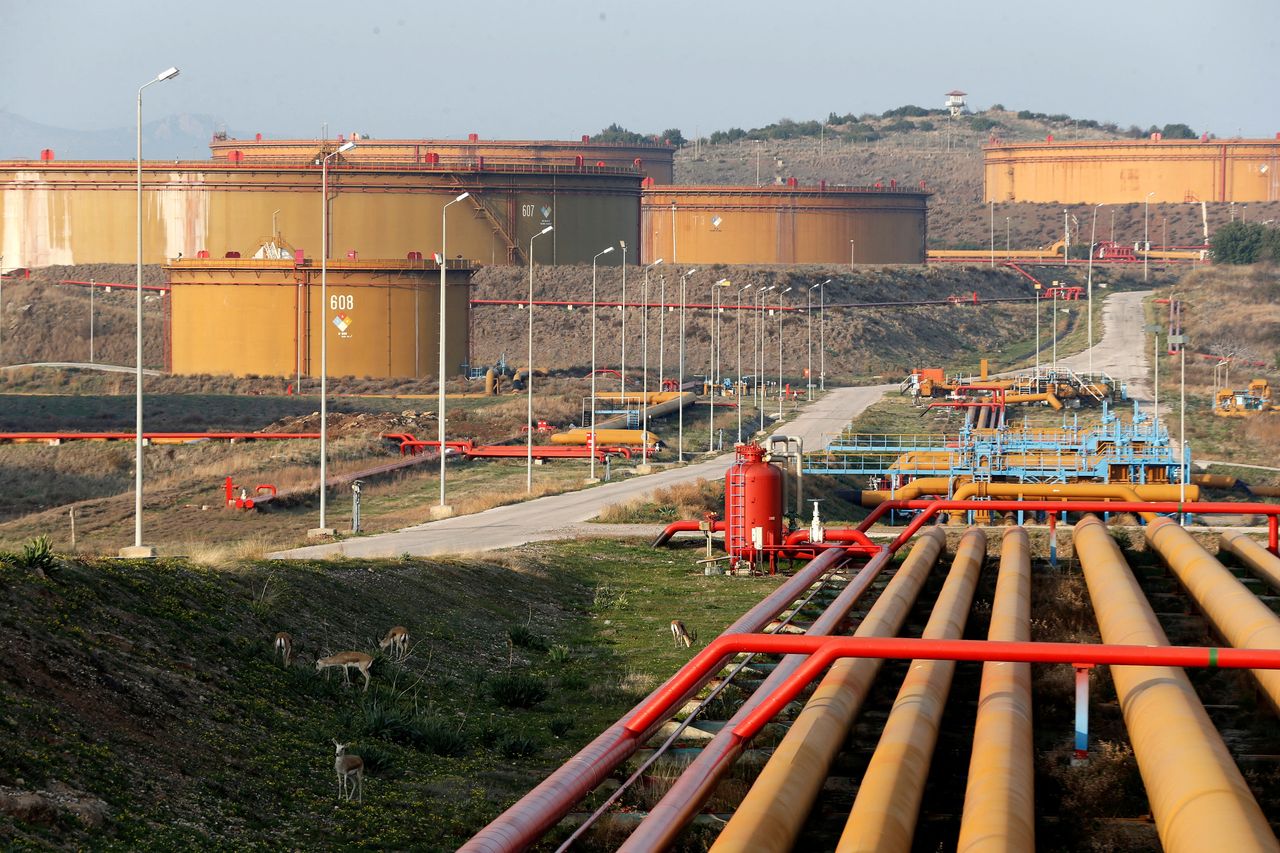
At the centre of the route is the Iraq-Türkiye Crude Oil Pipeline, commonly known as the Kirkuk-Ceyhan pipeline.
Built in the 1970s, the pipeline connects northern Iraq with Ceyhan on Türkiye’s Mediterranean coast. Its design capacity has reached as much as 1.6 million bpd, although actual flows have historically remained far below that level.
Ceyhan’s location gives Iraq an important advantage: tankers departing the terminal can enter the Mediterranean directly without passing through the Strait of Hormuz.
Türkiye and Iraq deepen energy ties
Ankara and Baghdad have also taken steps to expand the corridor.

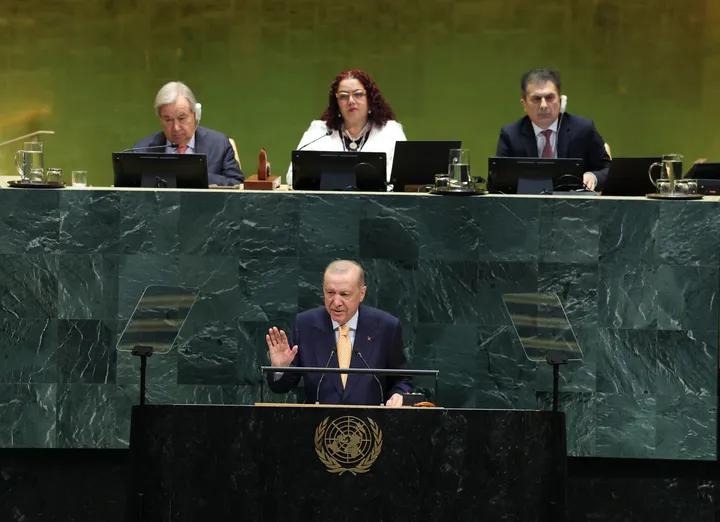





On August 1, Türkiye and Iraq signed a one-year agreement aimed at maximising use of the pipeline while negotiations continue over a longer-term energy framework.
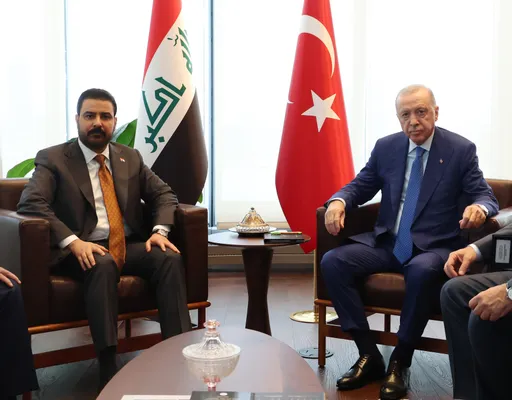
The agreement followed talks between Turkish Energy and Natural Resources Minister Alparslan Bayraktar and Iraqi Oil Minister Basim Mohammed Khudair.
Under the arrangement, Iraq committed to increasing pipeline flows from around 220,000 bpd towards a guaranteed capacity of 750,000 bpd as production around Kirkuk expands.
Bayraktar said the pipeline had become increasingly important for regional and global energy security, describing Türkiye’s role as extending beyond simply transporting Iraqi crude.
The cooperation also goes upstream. Turkish Petroleum Corporation, or TPAO, has secured a partnership stake in Iraq’s BP-operated Kirkuk oilfield, extending bilateral energy cooperation into upstream production.
Iraqi officials have floated an even more ambitious target of eventually supplying Türkiye with up to one million bpd.
Ceyhan's growing role
The expansion adds to Ceyhan’s existing importance as an international energy hub.
The Turkish port is already the Mediterranean endpoint of the Baku-Tbilisi-Ceyhan pipeline, which carries Azerbaijani crude through Georgia and Türkiye.
Growing production from Türkiye’s Gabar oilfield has added another domestic source of crude flowing towards Ceyhan.
Turkish officials have also discussed expanding cooperation with Iraq beyond oil into natural gas and electricity, while Ankara sees the corridor as complementing the wider Development Road Project connecting the Gulf with Europe through Iraq and Türkiye.
Transporting hundreds of thousands of barrels by truck is considerably more complicated than moving crude directly by pipeline, making further infrastructure investment important if volumes continue to rise.
Nevertheless, the changing flows underline Türkiye’s growing importance to Iraq’s energy strategy.
A route created nearly half a century ago is once again providing Baghdad with access to the Mediterranean, while Ceyhan is strengthening its position as a gateway connecting Iraqi crude with international markets.