WAR ON IRAN
4 min read
Iraq's KRG, Baghdad agree to resume oil exports via Türkiye's Ceyhan port amid Hormuz disruption
The deal to restart the northern pipeline comes as the closure of the Strait of Hormuz during the war on Iran continues to rattle global energy markets and push prices higher.
Iraq's KRG, Baghdad agree to resume oil exports via Türkiye's Ceyhan port amid Hormuz disruption
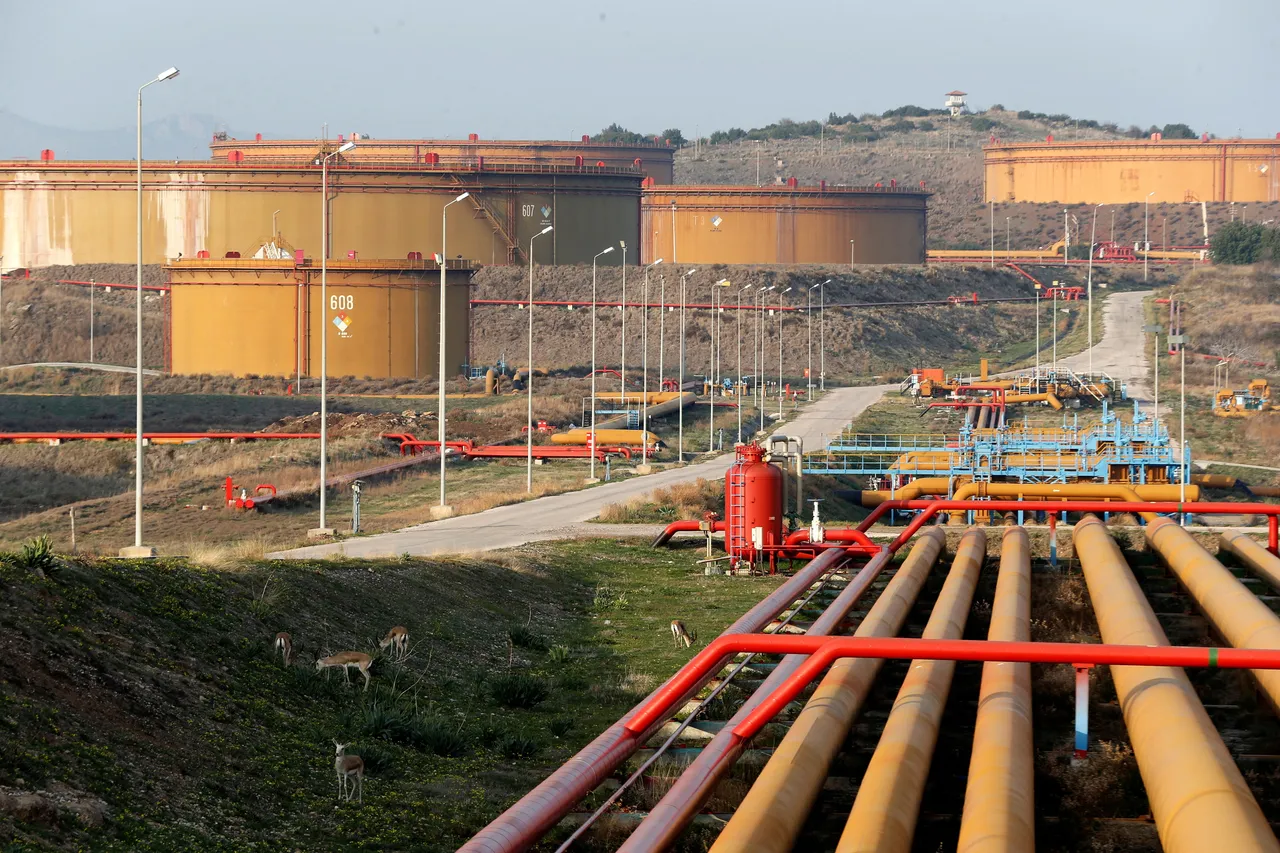
FILE PHOTO: A general view of oil tanks at Türkiye's Mediterranean port of Ceyhan, some 70 km from Adana. / Reuters
4 hours ago

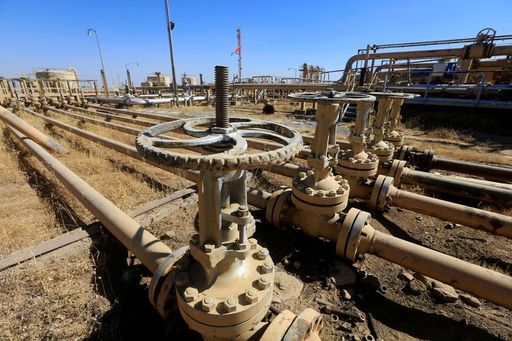
Iraq’s Kurdish Regional Government (KRG) said on Tuesday that it has reached an understanding with Baghdad to resume oil exports through the region to Türkiye’s port of Ceyhan.

In a statement on X, KRG Prime Minister Masrour Barzani said the region decided to allow oil to flow again through its pipeline “as soon as possible,” citing “the extraordinary circumstances facing the country and the responsibility we all share to get through this difficult chapter.”

Iraq’s Oil Minister Hayan Abdel Ghani said crude exports through Türkiye’s Ceyhan port will resume on Wednesday at 10 am local time (0700 GMT), according to the Iraqi News Agency.

On Sunday, Iraq’s oil ministry had said in a statement that it was ready to resume crude exports through the northern pipeline towards the Turkish port of Ceyhan amid disruptions to southern export routes linked to the regional crisis and navigation issues in the Strait of Hormuz.
However, the ministry said the KRG’s Ministry of Natural Resources had previously refused to restart the export pipeline, putting forward a number of conditions that Baghdad said were “unrelated to crude oil export operations.”

The oil ministry added that it had told the Kurdish side that those conditions could be discussed later in parallel with the resumption of exports, warning that continued suspension would deprive Iraq of significant financial resources that could partially offset losses from halted southern exports.

Barzani said on Tuesday discussions with the federal government in Baghdad will continue “with urgency to lift the restrictions on imports and trade” into the Kurdish region and to secure guarantees for oil and gas companies so they can safely resume production.

He also thanked the US for its role and support in facilitating the process.

The development comes as the Strait of Hormuz has been at the centre of global energy concerns since Iran’s Islamic Revolutionary Guard Corps announced its closure to most vessels in retaliation for US-Israeli attacks that began on February 28.

RelatedTRT World - Iraq eyes Kirkuk–Türkiye pipeline as Hormuz shutdown halts oil exports

Before the conflict, around 20 million barrels of oil passed through the strait daily. Its disruption has pushed oil prices higher.

Tom Barrack, the US ambassador to Türkiye and special envoy for Syria, expressed gratitude to Erbil and Baghdad on reaching the agreement.

“Many thanks to Erbil and Baghdad for their work to reach agreement at this critical time to resume energy exports and improve prosperity for the region,” he wrote on X, adding their “courage, steadfast cooperation and commitment to the diplomatic path have been truly invaluable.”

“The United States remains fully committed to supporting these important efforts in this time of crisis,” he added.

Separately, Barzani also received a phone call from Barrack, according to a statement by the KRG.

During the call, the two sides discussed developments in the Kurdish region, Iraq and the wider region.

Barrack conveyed US President Donald Trump’s greetings and praised the KRG prime minister’s willingness to cooperate with the federal government to resume oil exports via Türkiye.

Barzani said talks with Baghdad were ongoing and that he had instructed the KRG’s negotiating team to provide all necessary facilitation to restart exports in a way that “serves citizens’ interests amid the current circumstances.”

He also called on the US to continue its role as a monitor and supporter of ongoing negotiations between Erbil and Baghdad, particularly on customs and trade restrictions.

Iran has effectively closed the Strait of Hormuz since March 1 following the launch of joint attacks by Israel and the US against Iran on February 28, which have so far killed around 1,300 people, including Supreme Leader Ali Khamenei. Hostilities have since escalated.

Iran has retaliated with drone and missile strikes targeting Israel, along with Jordan, Iraq and Gulf countries, which it says are targeting US military assets, causing casualties and damage to infrastructure while disrupting global markets and aviation.

SOURCE:Anadolu Agency