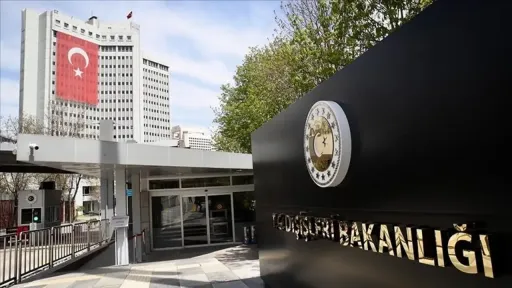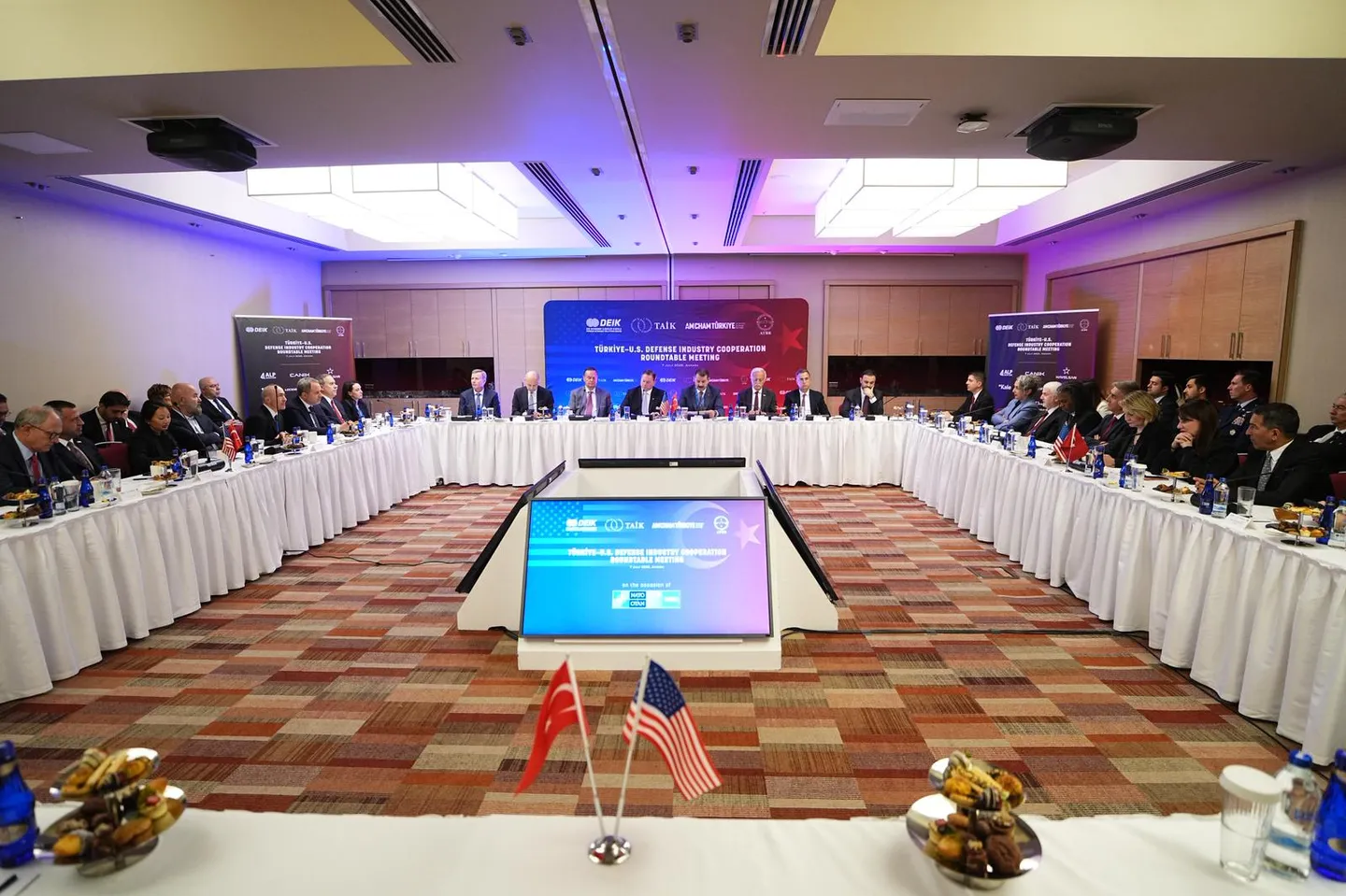
Senior Turkish and US officials and leading defence industry representatives met in Ankara to discuss ways to deepen cooperation in defence production, supply chains and advanced technologies, the Foreign Economic Relations Board of Türkiye (DEIK) said on Thursday.
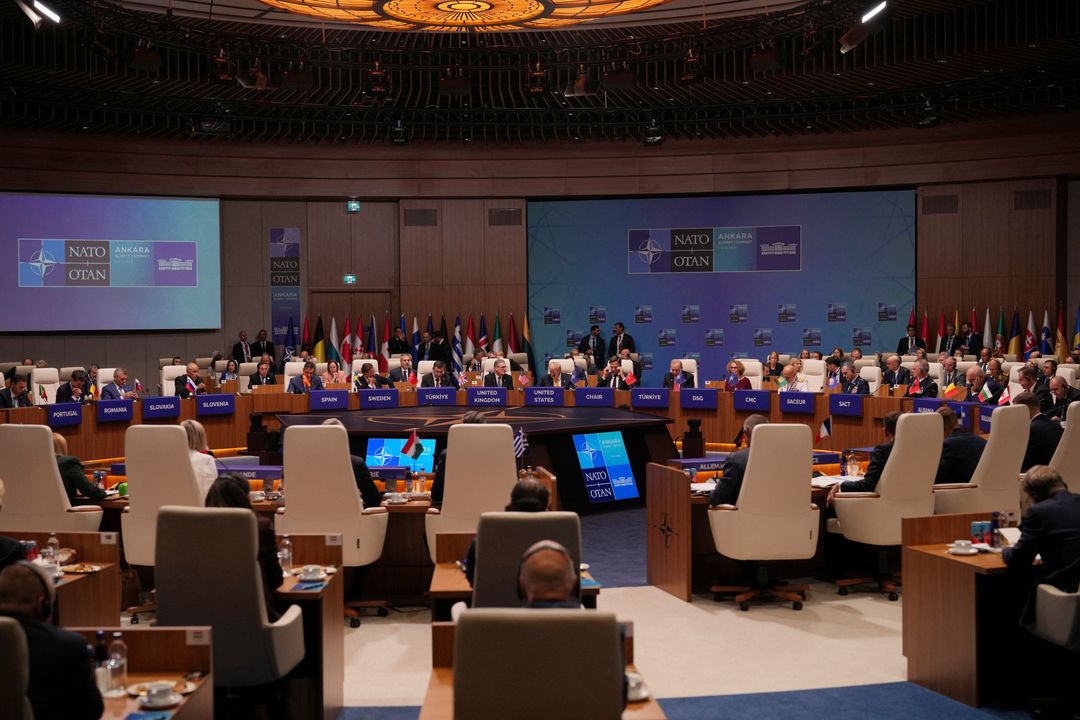
The Türkiye-US Defense Industry Cooperation Roundtable was held on July 7 on the sidelines of the 36th NATO Summit by the Foreign Economic Relations Board of Türkiye (DEİK), its Türkiye-US Business Council (TAİK), AmCham Türkiye and the American Turkish Business Roundtable (ATBR).
The meeting brought together Turkish and US defence officials, business leaders and representatives from major defence firms to discuss ways to expand cooperation in strategic sectors.
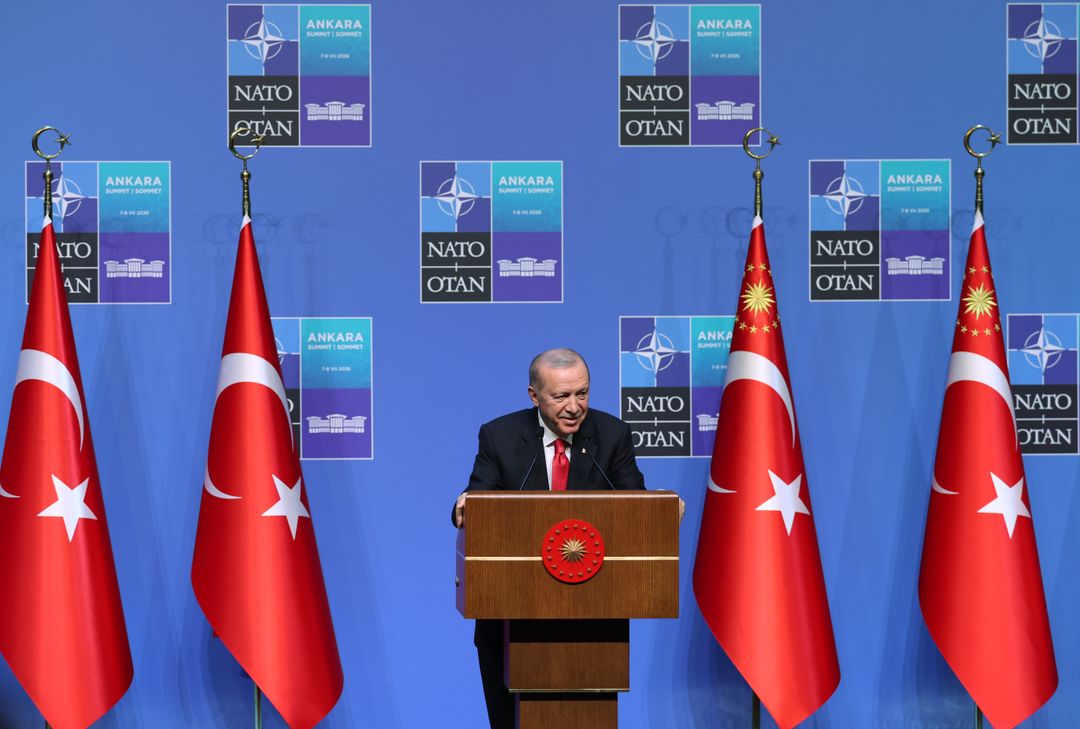
Ankara, Washington target deeper defence integration
Participants highlighted growing momentum in Türkiye-US relations and said stronger cooperation in defence and advanced technologies could boost the economic and industrial dimensions of the partnership.
Discussions focused on joint design and production, supply chain integration, cooperation on projects in third countries and next-generation technologies.
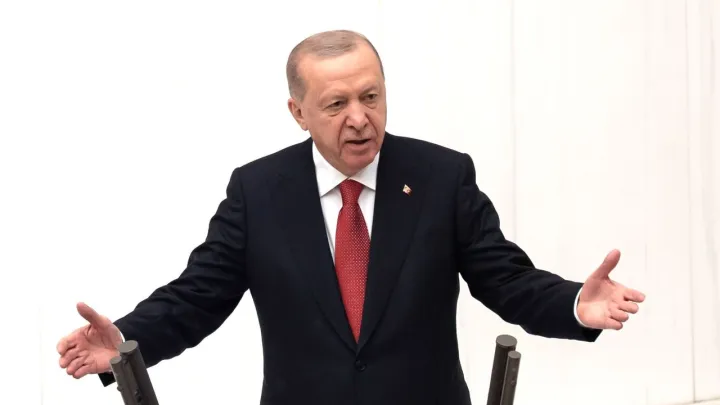
Turkish Deputy Defence Minister Salih Ayhan said the strategic partnership between Ankara and Washington has gained fresh momentum through dialogue between President Recep Tayyip Erdogan and US President Donald Trump.
"The defence industry is one of the strongest pillars of the strategic partnership between Türkiye and the US," Ayhan said.
He noted that Türkiye’s defence sector has developed into a major production and technology ecosystem, with domestic production exceeding 80%, more than 3,500 companies and over 100,000 skilled employees.
Ayhan said Türkiye is ready to expand cooperation with US companies in joint production, research and development, while calling for fewer regulatory barriers to unlock greater potential.
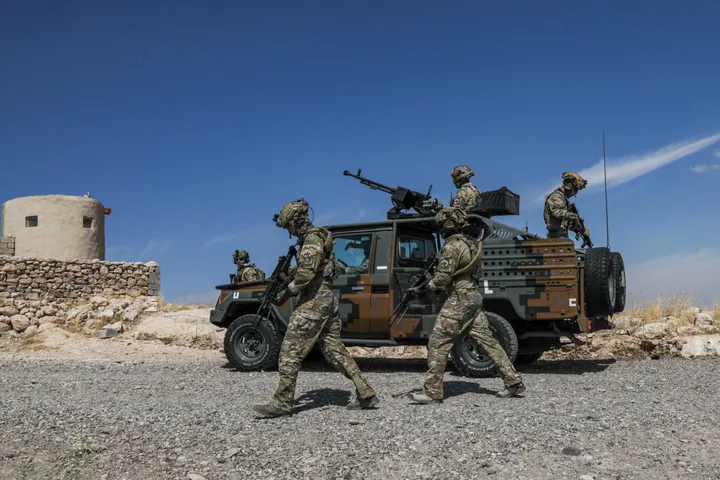


US calls for faster production and resilient supply chains
Michael P. Duffey, US Department of Defense Under Secretary for Acquisition and Sustainment, said stronger allied industrial cooperation is essential amid changing security challenges.
"The main challenge for allies is speed and scale," Duffey said, stressing the need to produce critical capabilities faster and deliver them to operational forces without delay.
He warned that production gaps, bureaucratic delays and supply chain weaknesses have become strategic vulnerabilities rather than routine obstacles.
Duffey urged defence companies to expand production capacity, identify regulatory challenges and strengthen supply chain resilience.
Industries seek NATO-wide benefits
DEIK President Nail Olpak said rising global security demands are creating opportunities for deeper cooperation in defence procurement, industrial capacity and sustainment.
He said combining Türkiye’s flexible manufacturing base and defence expertise with the technological capabilities of US companies could create significant value.
TAIK Chair Murat Ozyegin said defence and aerospace will be key drivers of the next phase of Türkiye-US economic cooperation, adding that the two industries are complementary rather than competitors.
AmCham Türkiye Chair Emre Karter highlighted opportunities in defence technologies, industrial capabilities and investment, while ATBR Chair General James Jones said Türkiye-US defence cooperation is strategically important for NATO’s overall capacity.
The meeting included representatives from companies including Lockheed Martin, Alp Aviation, CANiK, Havelsan, Kale Aerospace and TEI.