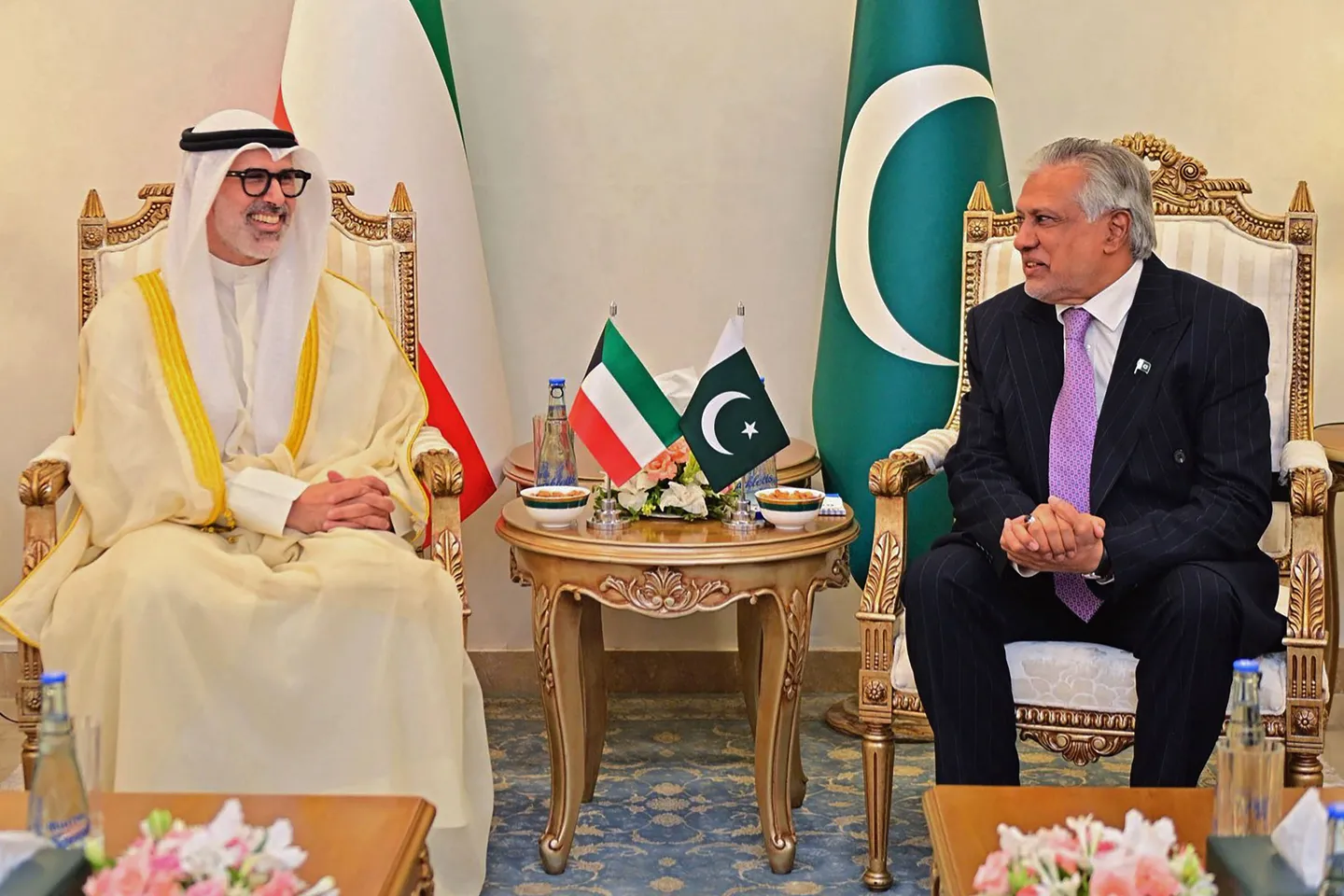
The newly ratified defence cooperation agreement between Pakistan and Kuwait may not commit either country to a mutual defence alliance or troop deployments, but experts say its timing underscores a broader shift in Gulf security thinking as regional states seek to diversify their partnerships amid mounting geopolitical uncertainty vis-a-vis the US-Iran conflict.
The five-year agreement, approved by Kuwait this month after being signed in 2023, covers military training, joint exercises, intelligence cooperation, logistics, defence industries and the exchange of personnel. It establishes a joint military committee to oversee implementation but stops short of obligating either country to defend the other.
The ratification came just before Kuwait's Foreign Minister Sheikh Jarrah Jaber Al Ahmad Al Sabah’s two-day visit to Pakistan this week for talks in which the two sides agreed to deepen bilateral cooperation through stronger institutional linkages and regular high-level exchanges, Pakistan's foreign ministry said.
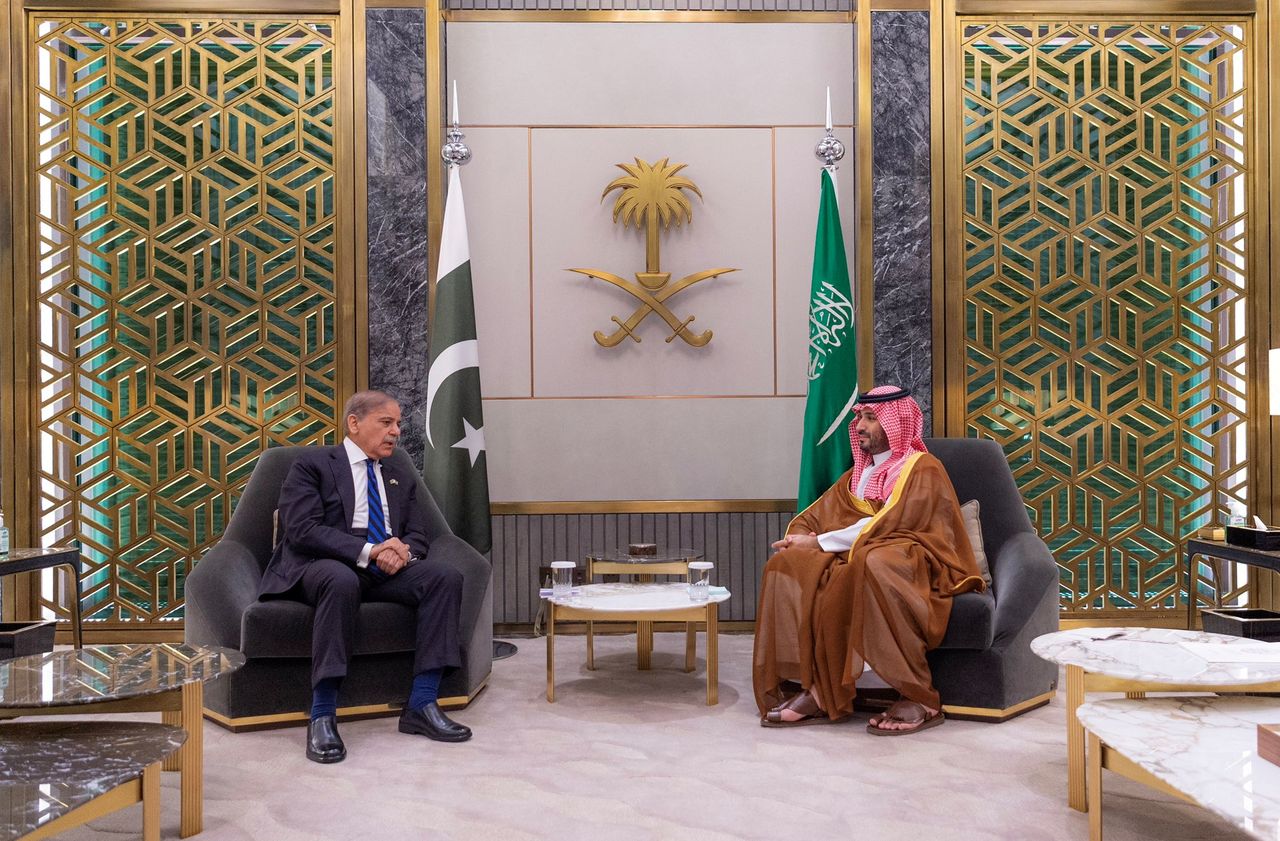
The Kuwait agreement comes less than two years after Pakistan and Saudi Arabia expanded their own defence cooperation, propping Islamabad up as an increasingly important security partner for Gulf states.
Pakistan has long provided military support to the kingdom, including training and deployment of military advisors, while Saudi Arabia has repeatedly stepped in to support Pakistan financially during periods of economic stress.
The September 2025 Strategic Mutual Defence Agreement between Saudi Arabia and Pakistan pledged that "any aggression against either country shall be considered an aggression against both."
Riyadh and Islamabad agreed on a "deterrence umbrella" that allows both nations to use their full military capabilities without exception.
While analysts differ on how transformative the latest agreement between Pakistan and Kuwait is, they broadly agree it reflects Pakistan's enduring military relevance in a region reassessing its security partnerships after years of conflict, the Iran–US-Israel confrontation, and uncertainty over long-term US engagement.
Routine agreement, strategic timing
For Nourah Shuaibi, a professor of political science at Kuwait University, the agreement itself is legally unremarkable. What makes it significant is the timing of its activation.
"The agreement is routine in legal form, but strategic in its timing," she told TRT World.
She noted that the pact contains standard provisions covering military education, training, intelligence cooperation, logistics and defence industries, but "does not contain a mutual-defence clause or automatically commit Pakistan to deploying forces in Kuwait."
Instead, she argued, the significance lies in the regional environment.
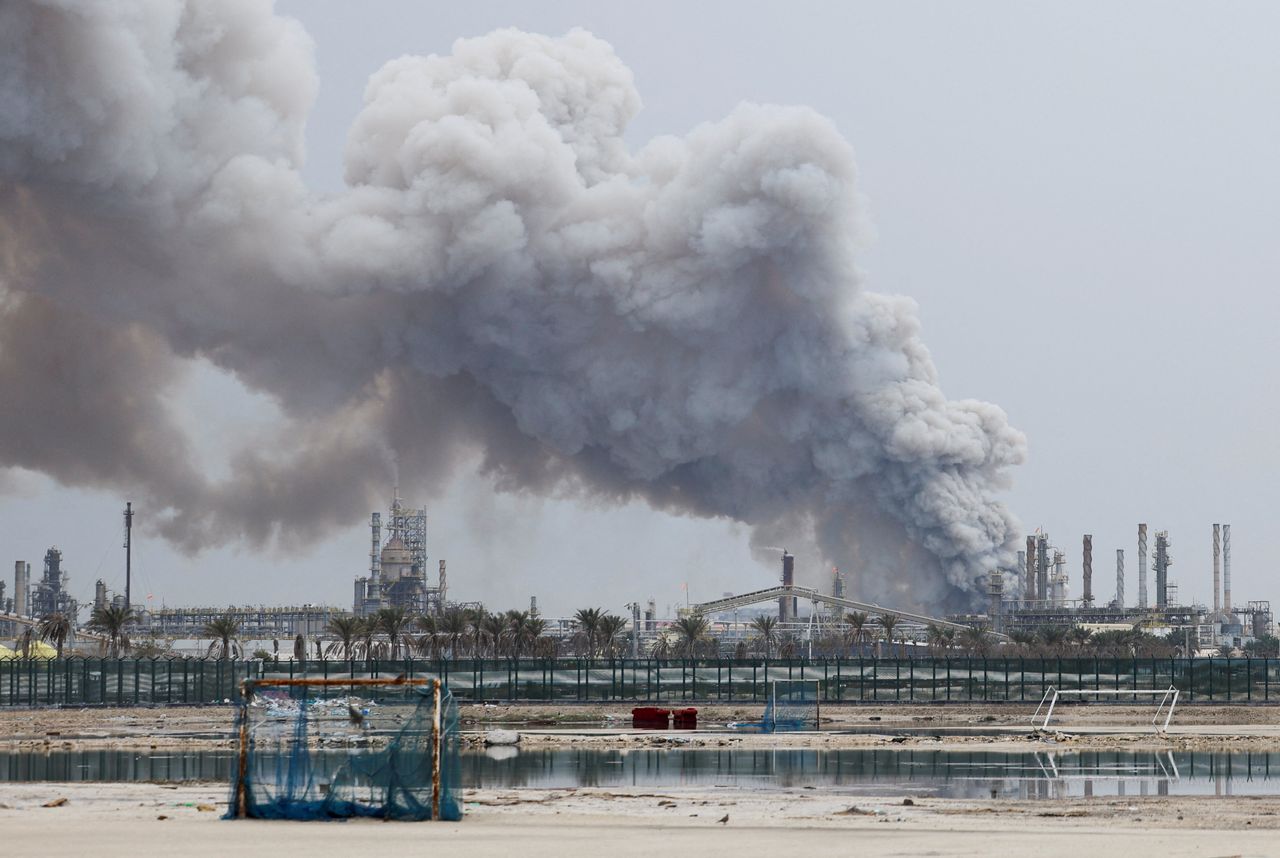
One possible explanation for why the pact was activated now, she said, is that Kuwait's recent exposure to missile and drone threats has reinforced the need to build additional layers of security partnerships, even while maintaining its longstanding defence relationship with the United States.
"The bureaucracy may explain the delay, while geopolitics explains the timing of ratification," Shuaibi said.
Rather than replacing Washington, Gulf states appear to be broadening their security options.
"GCC states are not necessarily replacing the United States; they are attempting to reduce dependence on any single external provider by building a more layered network of partners."
Why Pakistan?
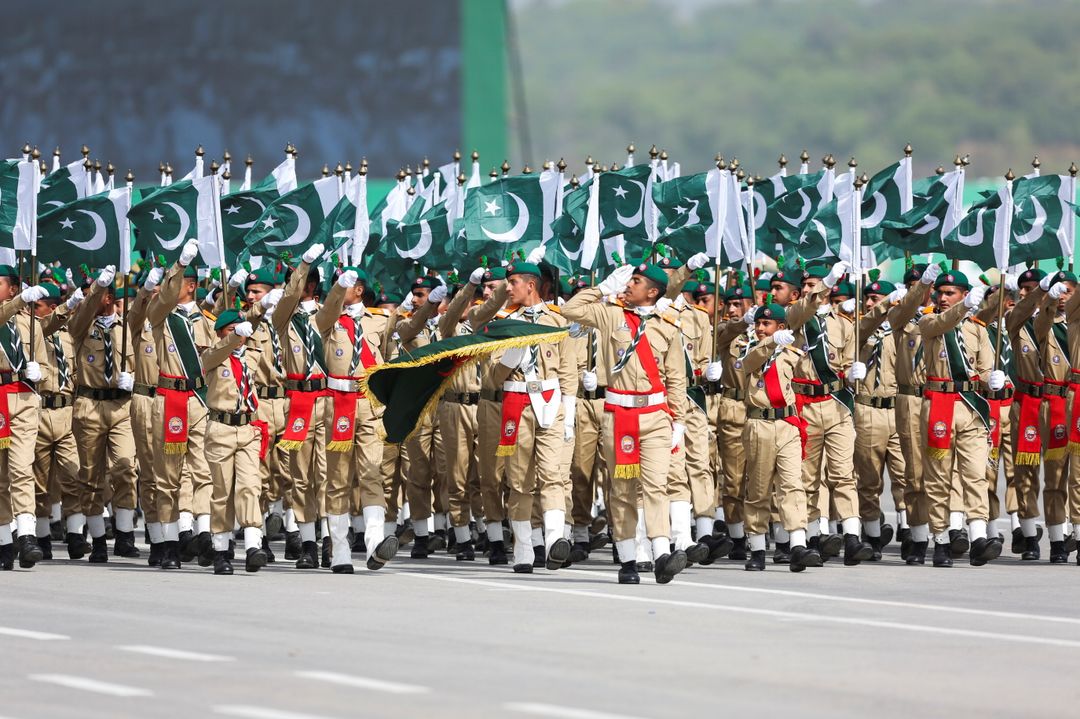
Pakistan has maintained defence relationships with Gulf states for decades. Thousands of Pakistani military personnel have historically served in advisory and training roles across the region, while Islamabad continues to conduct joint exercises and cooperate on counterterrorism and maritime security with the Gulf states.
According to Shuaibi, Pakistan's appeal lies less in any single capability than in the combination of strengths it offers.
She pointed to its experienced armed forces, expanding defence industry, operational experience in counterterrorism, and growing maritime profile.
Pakistan's navy, for instance, assumed command of multinational Combined Task Force 150 earlier this year, giving it experience in multinational maritime security operations across the Arabian Sea and adjoining waters.
Over the past year, Pakistan and the Gulf states have increasingly seen advantages in forging new regional defence pacts.
Pakistan maintains a large military and produces its own fighter jets. This has made it a possible option to strengthen security in addition to US protection among Gulf states.
Türkiye, Pakistan and Saudi Arabia have been preparing a draft agreement for a mutual defence pact, separate to the one Islamabad has with Saudi Arabia. Meanwhile, Bahrain is interested in a similar pact, one source told Reuters, and Jordan has expressed interest in a weapons and training deal with Pakistan.
Rather than acting as Kuwait's primary security guarantor, Pakistan is more likely to complement existing partnerships by providing operational depth through military training, technical support, intelligence cooperation and defence-industrial collaboration.



Shuaibi argued that the most consequential aspects of the agreement are likely to be regular joint exercises, intelligence-sharing, counter-drone cooperation, maritime security and defence technology cooperation, rather than permanent troop deployments.
"The agreement's provisions on classified information and jointly generated intellectual property indicate that the framework was designed to permit more sensitive technological and intelligence cooperation, not merely ceremonial visits or occasional exercises," she said.
A broader Gulf shift?
Some Pakistani analysts see the agreement as evidence of a wider regional trend.
Yasir Hussain, an associate director of research at Pakistani think tank Centre for International Strategic Studies (CISS) in Islamabad, believes the pact reflects a strategic reassessment within the Gulf.
"The defence pact signals a broader strategic elevation of Pakistan as a trusted security partner for Gulf countries," he told TRT World.
Unlike when the agreement was signed in 2023, Hussain argued, today's strategic environment has been transformed by escalating regional tensions.
"The three-year delay in the ratification process was primarily driven by geopolitical complexities rather than bureaucratic lag," he said.
For Hussain, Kuwait's decision should be viewed alongside Pakistan's expanding defence cooperation with Saudi Arabia.
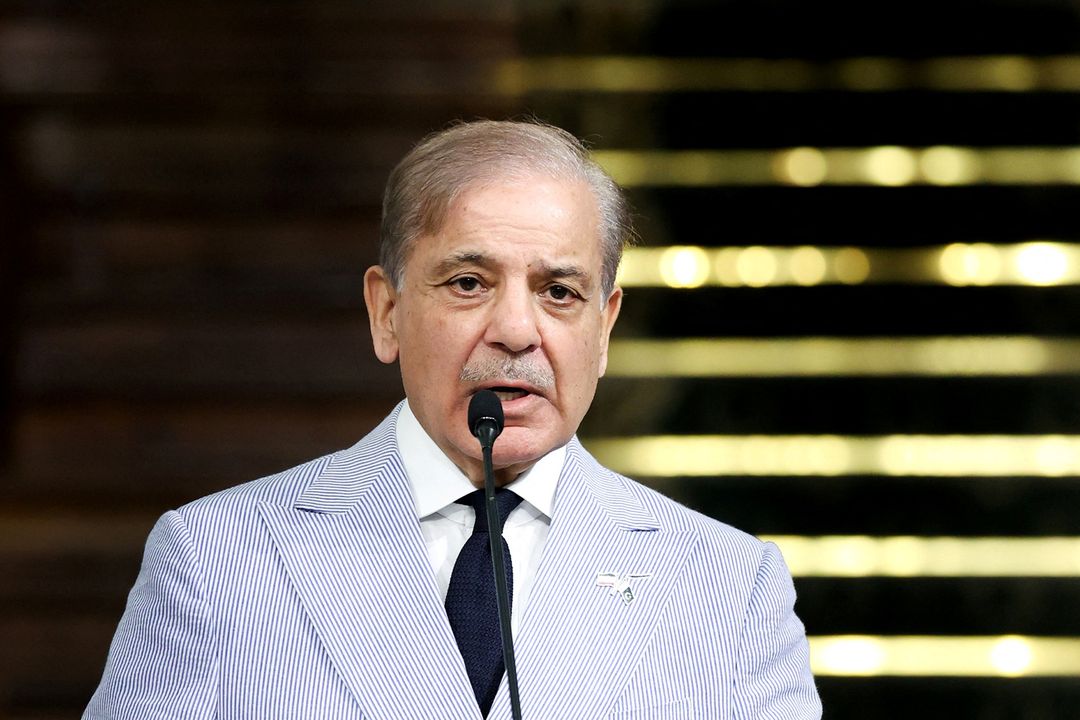
Rather than creating an anti-Iran alignment, he argues the agreements enhance Pakistan's diplomatic utility.
"Pakistan's defence partnership with Saudi Arabia and Kuwait doesn't create an anti-Iran nexus."
Instead, he says Pakistan's longstanding relations with Riyadh, Tehran and other Gulf capitals position it as a credible intermediary during periods of regional tension.
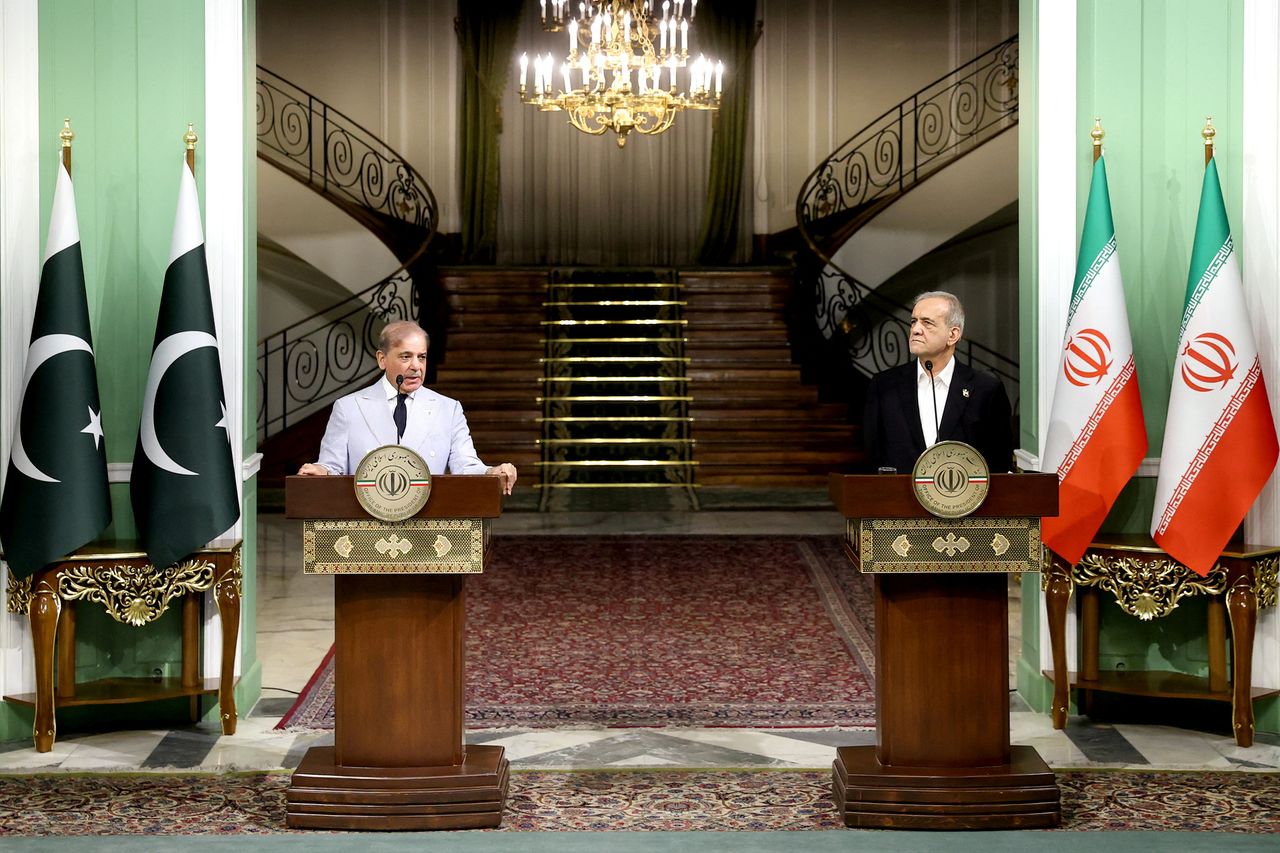
Islamabad played a crucial mediating role in bringing Iran and the US to the negotiating table, helping avoid an all-out war in the region.
Hussain expects cooperation between Pakistan and Gulf states to deepen in military training, intelligence-sharing, defence technology and counterterrorism.
"These areas will establish enduring capacity for cooperation rather than temporary presence," he said, arguing that Pakistan's experience in counterterrorism and conventional warfare could benefit Gulf militaries facing evolving security threats.
Not entirely new
Others caution against overstating the significance of Kuwait's ratification.
Former Pakistani ambassador to the UAE and Iran Asif Durrani told TRT World that defence cooperation between Pakistan and Gulf countries has existed for years and should not be viewed as a dramatic departure.
"Defence cooperation with Pakistan is already with all Gulf states. It's nothing new," he told TRT World.
Durrani also noted that ratification often follows lengthy domestic procedures after agreements are signed, suggesting administrative processes may partly explain the three-year gap.
Asked whether the current security environment may have accelerated ratification, he replied: "Well, it can be said... with what's going on in the region."
For Durrani, the more important story is Pakistan's ability to maintain relationships across competing regional actors.
He argued that expanding defence cooperation with Gulf states does not necessarily undermine Pakistan's ties with Iran.
"It's a sovereign decision by the countries," he said, adding that Islamabad has consistently maintained relations across the region.
Durrani pointed to Pakistan's recent diplomatic engagement during tensions involving Iran and the United States as evidence of the trust it enjoys from multiple sides.
"Pakistan has played a positive role between the US and Iran because Pakistan enjoyed the credibility and the trust of both," he said.