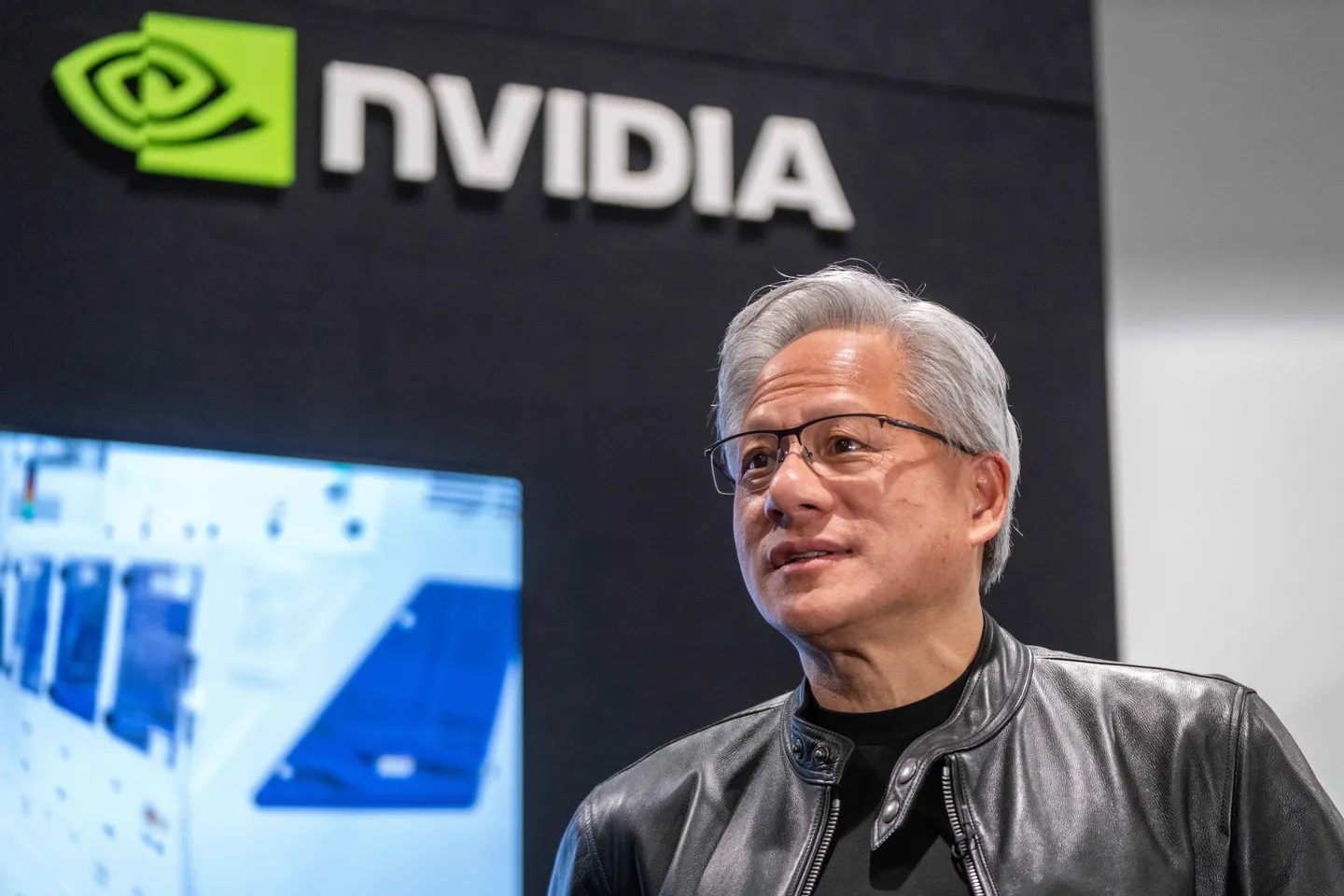
Nvidia CEO Jensen Huang has defended the chipmaker’s growing financial support for artificial intelligence companies, describing the investments as a “once-in-a-generation” opportunity with limited risk.
Huang told CNBC late on Wednesday that developing and deploying AI required unprecedented amounts of capital, with some startups needing tens of billions of dollars before becoming profitable.
“This is the first generation of startups that needed tens of billions of dollars to get funded,” Huang said, highlighting the sector’s capital-intensive nature.
Nvidia has used cash generated by surging demand for its AI chips to invest in companies across the industry, including AI model developers OpenAI and Anthropic and cloud providers offering Nvidia-powered computing infrastructure.
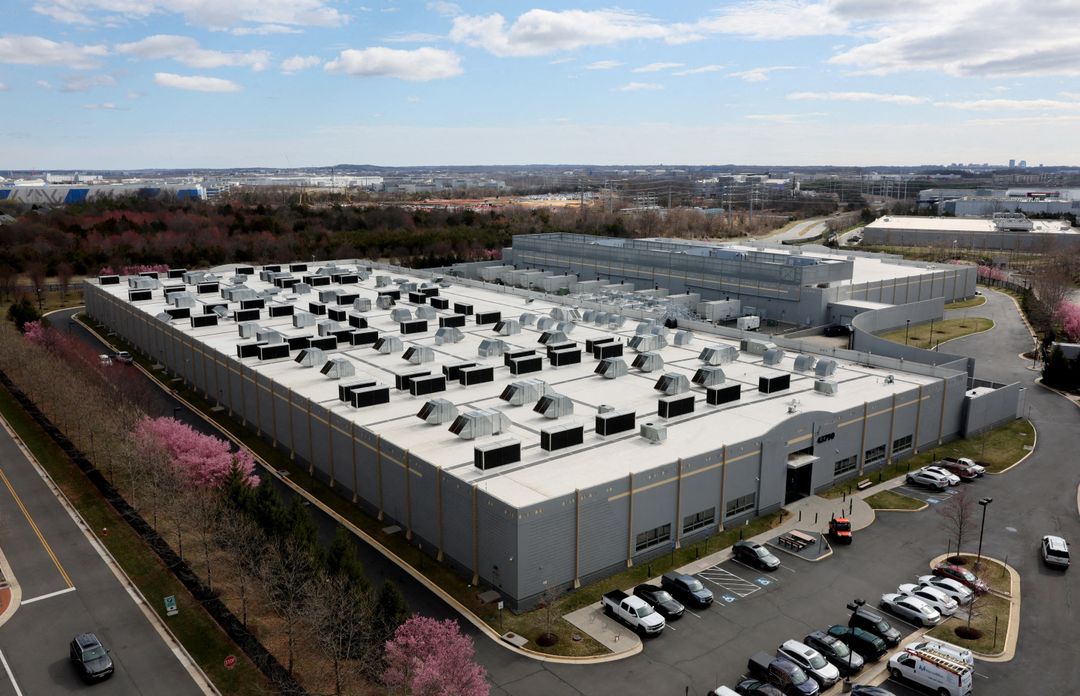
The chipmaker has also expanded into financing data centre projects, including $105 billion in financial support for a computing campus under construction in Ohio, where OpenAI is expected to be the tenant.
Nvidia recently announced a partnership with major Wall Street firms to arrange up to $500 billion in data centre financing.
Concerns over ‘circular financing’
The deals have drawn criticism that Nvidia is engaging in “circular financing”, in which a company funds customers that later use the money to purchase its products.








Critics argue such arrangements could artificially boost demand and revenue, drawing comparisons with practices during the dot-com bubble.
Huang rejected those concerns, saying Nvidia wanted to invest in leading AI developers, help them secure computing capacity and encourage them to build their ecosystems using its technology.
He said many frontier AI companies lacked the financial history or investment-grade credit profiles needed to secure low-cost financing independently, creating a role for Nvidia’s backing.
Huang also said Nvidia’s exposure would be limited if a company it supports encountered financial difficulties because its computing infrastructure could be reassigned to other customers and workloads.
“The money we’ve invested is going to generate tremendous returns,” he said. “I think the risk is low.”
His comments came after Nvidia reported better-than-expected fiscal second-quarter results.
The company’s revenue more than doubled from a year earlier to $96.2 billion, while data centre revenue surged 117 percent to $89 billion. Nvidia shares rose about 4 percent in extended trading following the results.