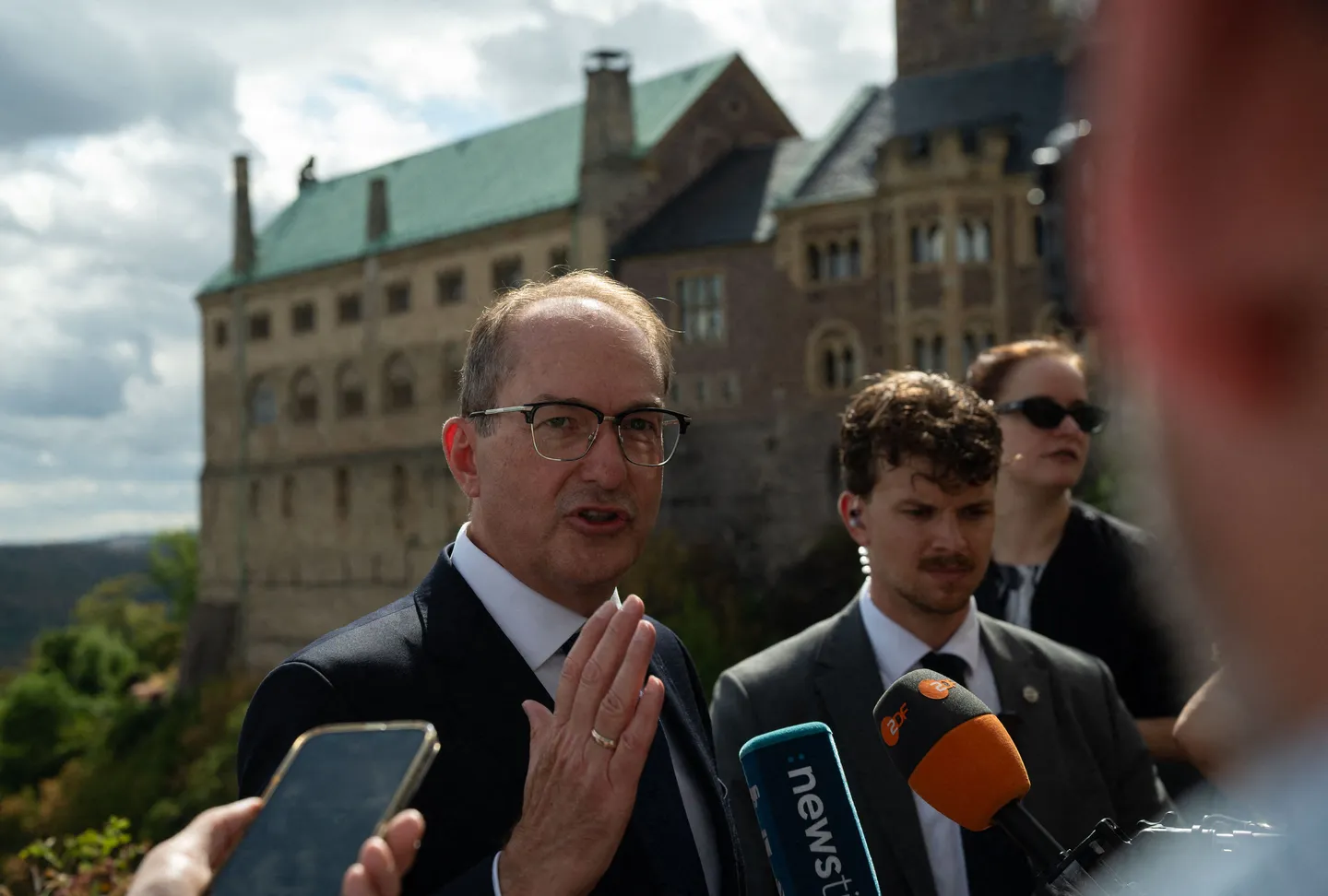
German Interior Minister Alexander Dobrindt faced sharp criticism on Monday from his Social Democratic coalition partners and the opposition Left Party after blaming "migrant troublemakers" for riots that followed largely peaceful youth demonstrations over the weekend.
Dobrindt, of the conservative Christian Social Union (CSU), told the Bild newspaper that such groups had hijacked Saturday's peaceful daytime protests.
"The rioters and looters will be identified and held accountable. Hard penalties must follow this breach of the peace," he said, praising police for preventing "violent excesses like those in Paris."
Defence Minister Boris Pistorius, a Social Democrat, distanced himself from the comments in an interview with public broadcaster ZDF, warning against generalisations about migrant groups and stressing that the violence was the work of criminals and extremists.
“What exactly are migrant groups? Does this include people who have been living in Germany for three generations and are German citizens? At what point do we stop making such distinctions?” he said.
“I believe this is heading in the wrong direction.”
‘Intolerable’
Clara Buenger, the opposition Left Party's spokesperson on interior affairs, described Dobrindt's focus on the origins of suspected perpetrators as "intolerable" and accused him of fueling far-right sentiment.




“With his statements he is feeding racist resentments, and doing so despite knowing better,” she said.
Criminological research has long shown that crime is shaped by various social and individual factors as well as concrete opportunities and “cannot simply be explained by a person’s origin,” she stressed.
“The concerns of an entire generation will not disappear through racist narratives, but through politics that takes their demands seriously,” she added.
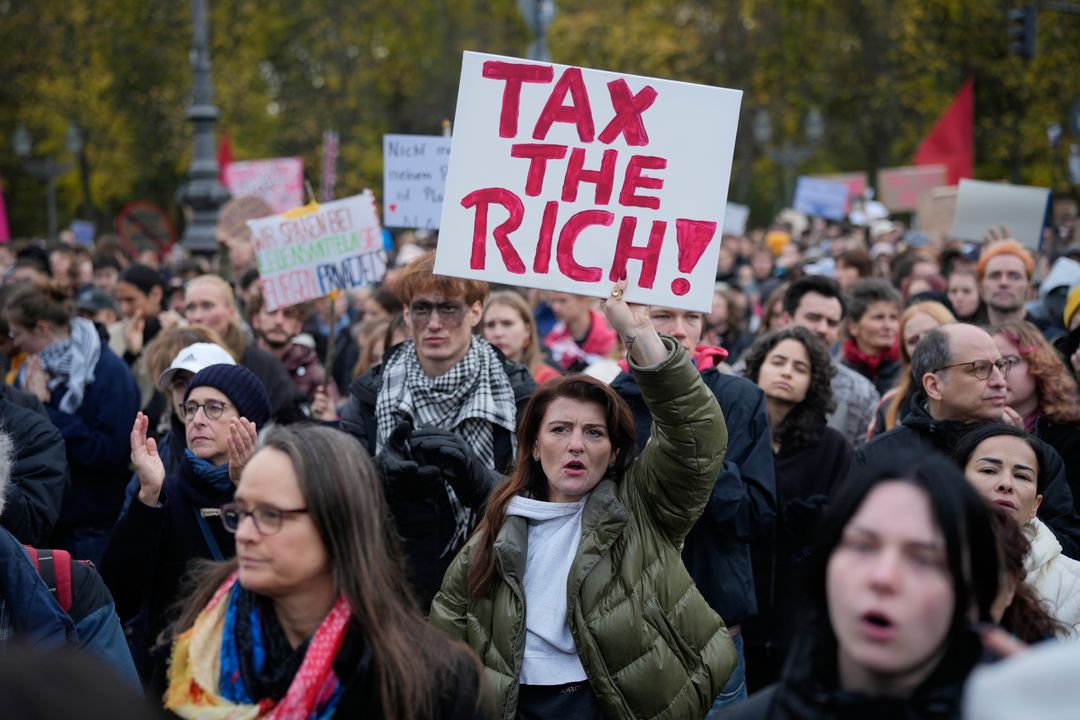
The controversy followed demonstrations organised Saturday by the "Gen Z regelt" initiative in more than 30 German cities against social spending cuts, plans to revive military conscription and other government policies.
Organisers said the daytime rallies were peaceful and stressed that they had no control over the violence that erupted later.
Evening unrest then broke out in several cities, most severely in Frankfurt. Barricades were set alight, shops, including a weapons store, were damaged or looted, and officers faced attacks.
Authorities indicated that many of the evening actors showed limited clear political motivation and may have imitated images of looting from France.