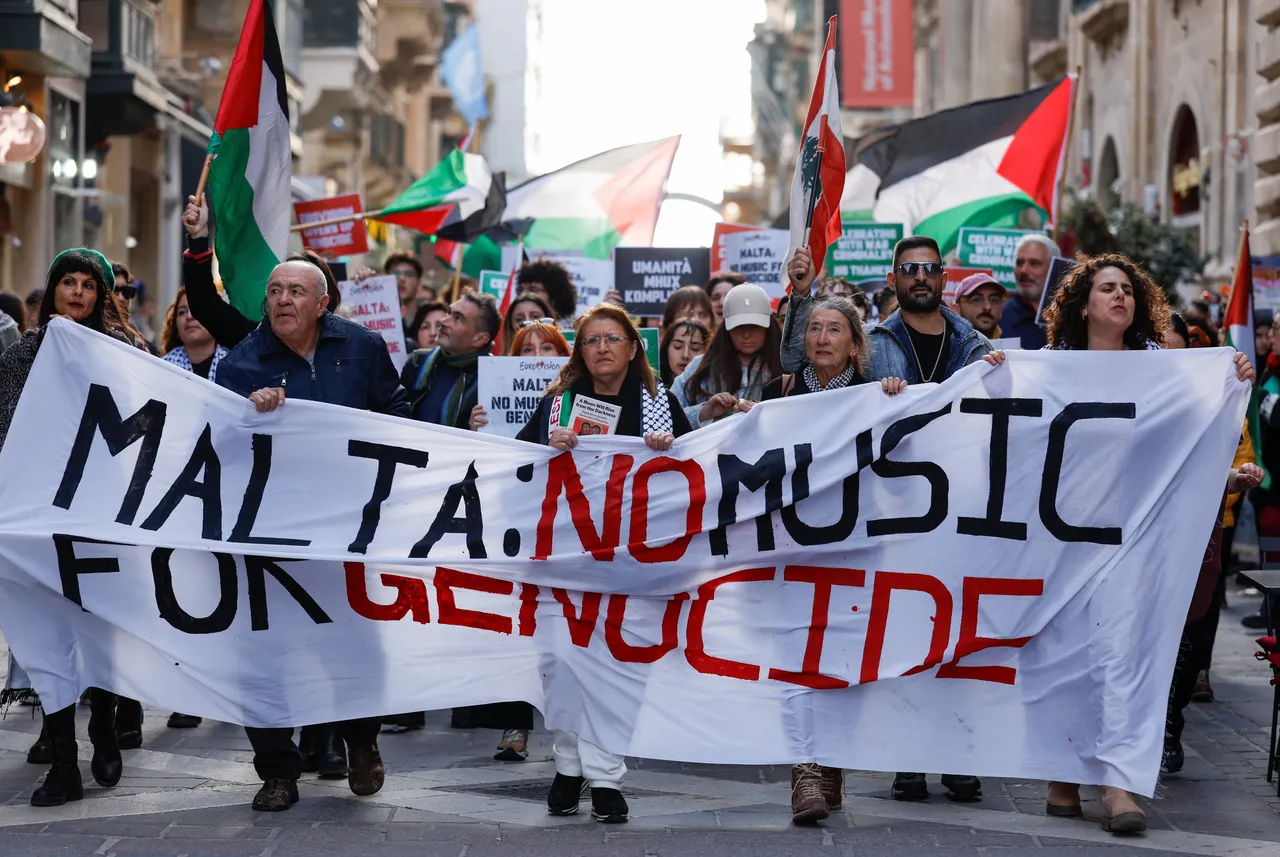
Competition starts on Tuesday at the Eurovision Song Contest, with divisions over Israel's participation hanging over the 70th birthday of the over-the-top pop music extravaganza.
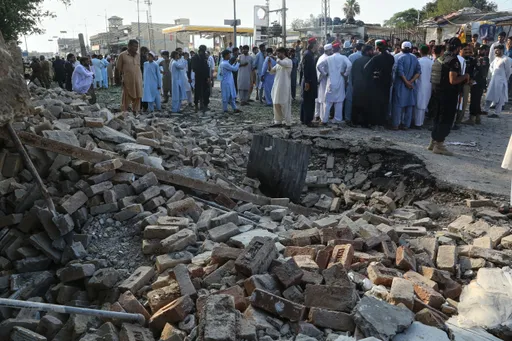
Five countries — Spain, Ireland, the Netherlands, Slovenia and Iceland — are boycotting the contest to protest Israel's inclusion over Tel Aviv’s ongoing genocidal war on Gaza, in which tens of thousands of Palestinians have been killed, and large parts of the besieged territory have been destroyed.
Rights groups have also criticised Israel’s participation with Amnesty's secretary general Agnes Callamard saying in a statement that it "offers the country a platform to try to deflect attention from and normalise its ongoing genocide in occupied Gaza"
"Songs and sequins must not be allowed to drown out or distract from Israel's atrocities or Palestinian suffering."
A UN-backed probe in September determined that "genocide is occurring in Gaza."
Israel’s genocidal war on Gaza killed more than 72,700 people, wounded over 172,500, and caused widespread destruction that affected 90 percent of civilian infrastructure since October 2023.
Several demonstrations are planned in Vienna during Eurovision week against Israeli atrocities, and security is tight, with police officers from across Austria deployed in the capital, and support from forces in neighbouring Germany.
Israeli singer Noam Bettan is among 15 acts competing for votes from viewers and national juries in Tuesday’s semifinal at the Wiener Stadthalle arena. The top 10 will go through to Saturday’s grand final, along with 10 from Thursday’s second semifinal.



The UK, France, Germany and Italy automatically qualify because they are among the contest’s biggest funders. Austria, last year’s winner, goes through to the final as the host country.
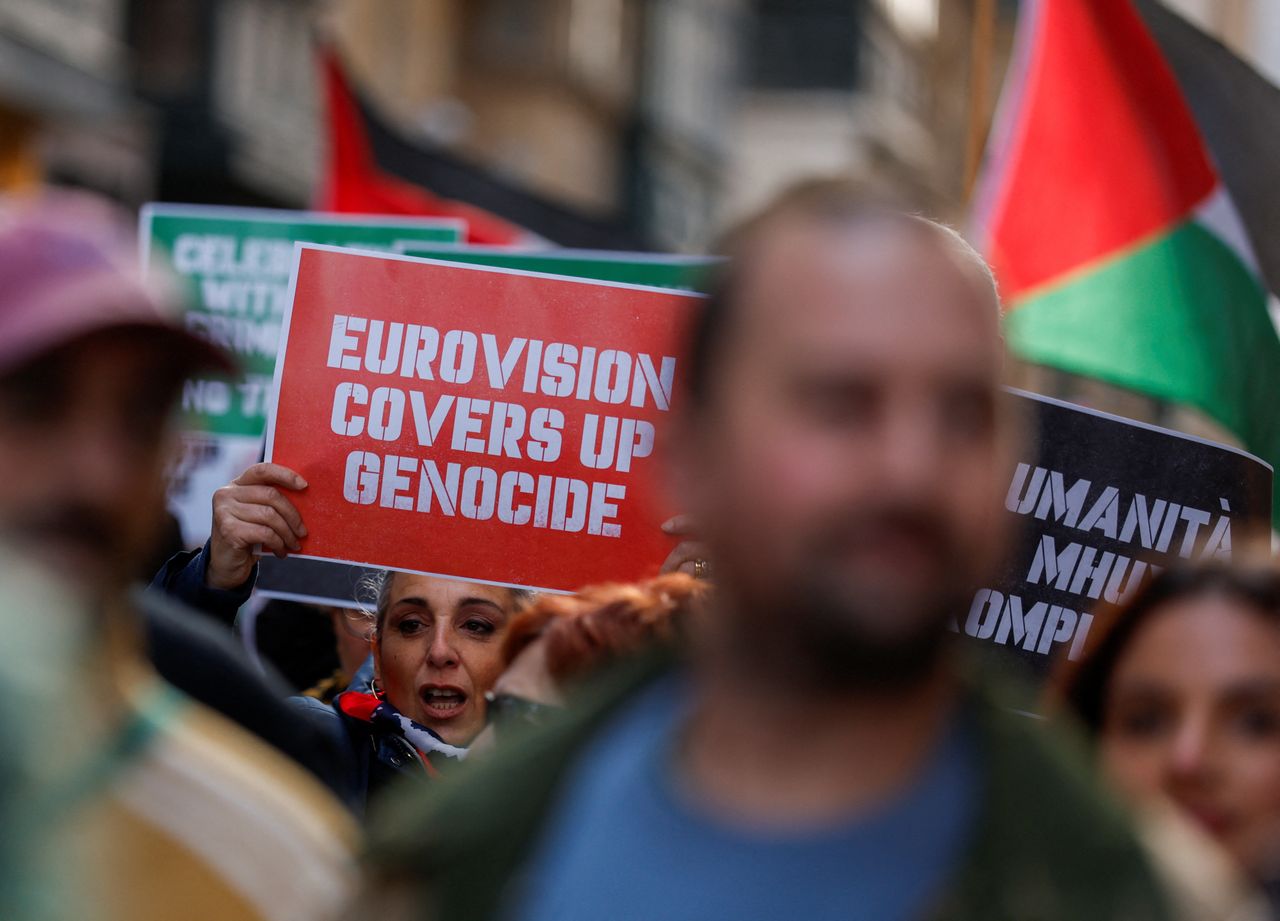
Protests against Israeli atrocities
Eurovision has found it hard to separate pop and politics in recent years. Russia was expelled in 2022 after its war with Ukraine.
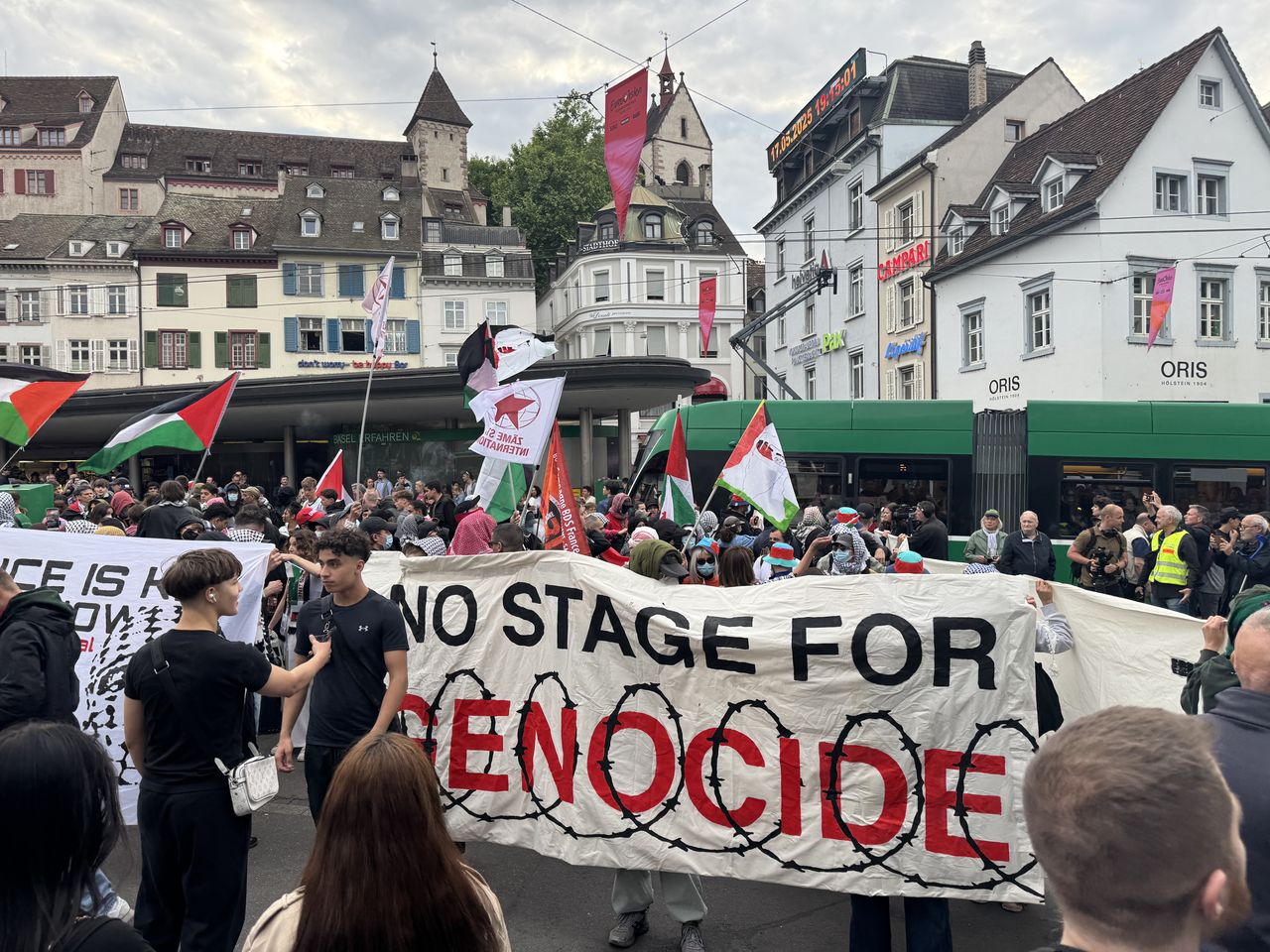
The 2024 contest in Malmo, Sweden, and last year’s event in Basel, Switzerland, saw Protests against Israeli atrocities that called for Tel Aviv to be expelled over its genocide in Gaza and allegations it ran a rule-breaking marketing campaign to get votes for its contestant.
When organisers declined to kick Israel out, five countries announced in December that they would not participate this year.
The European Broadcasting Union, which runs Eurovision, has toughened voting rules in response to the vote-rigging allegations, halving the number of votes per person to 10 and tightening safeguards against “suspicious or coordinated voting activity.”