 Kazim Alam
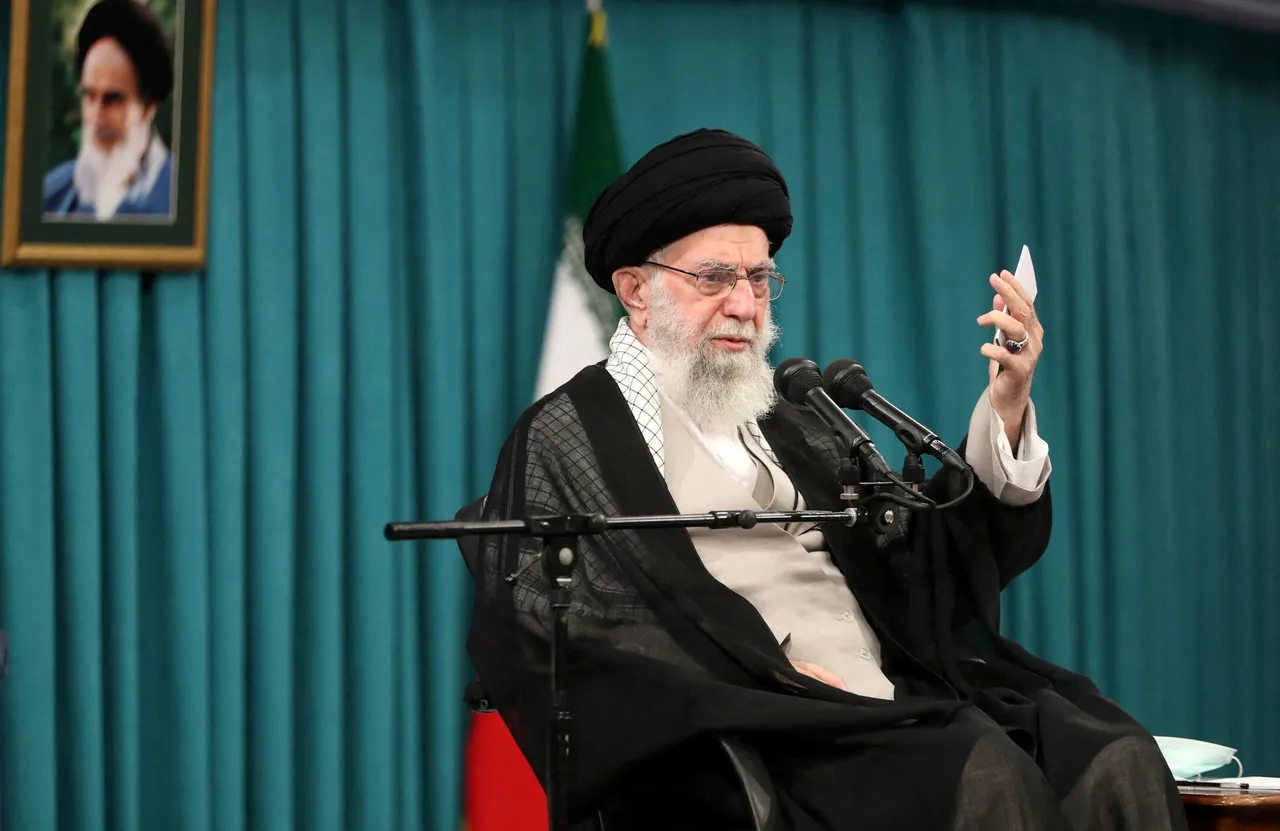
A US-Israeli air strike on February 28 killed Iran’s Supreme Leader Ali Khamenei at his residence.
The assassination of Iran’s head of state symbolised Israel’s reckless policy of targeting the highest levels of enemy leadership.
The US-Israeli assassination attempt on Khamenei has sparked chaos across the region and provoked Iran to retaliate, threatening everyone from world leaders to ordinary civilians.
The deliberate killing of sitting heads of state was once highly unusual. However, it seems to have become Israel’s go-to strategy in the last couple of years.
For decades following World War II, nations largely avoided assassinating foreign leaders, even in times of conflict.
The unwritten rule helped prevent limited military conflicts from spiralling into all-out war.
Selim Han Yeniacun, who teaches political history at Istanbul’s Marmara University, tells TRT World that a “strong informal norm” has existed against directly targeting sitting heads of state.
“Attacks on political leadership risk transforming military conflicts into existential struggles… which is why most states have historically avoided such actions even during wartime,” he says.
But Israel has shattered that consensus.
Tel Aviv practised a policy of so-called restraint when it came to targeting top political figures for years.
But it began crossing that line in 2024 with a series of high-profile killings.
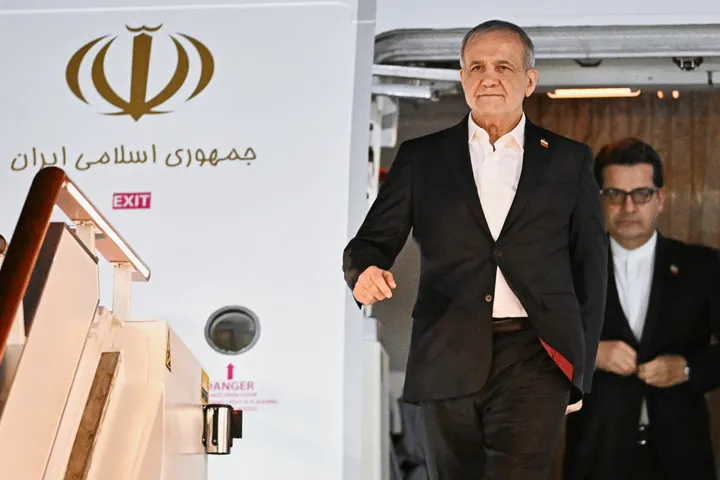
First came the assassination of Hamas political leader Ismail Haniyeh in Tehran on July 31, 2024. Israel killed Haniyeh, who was attending the inauguration of Iran’s new president, using a bomb smuggled into his guesthouse months earlier.
Tel Aviv later confirmed its role in the assassination of Haniyeh.
The second such high-profile strike came only two months later. On September 27, 2024, Israeli air strikes at Hezbollah’s headquarters in Beirut killed the group’s long-time leader Hassan Nasrallah along with other key commanders.
The two assassinations signalled a fundamental change in Tel Aviv: going after the very heads of its adversaries was now a fair game in the Israeli playbook.
The killing of Khamenei last month buried the consensus that heads of state were off limits in military confrontation.
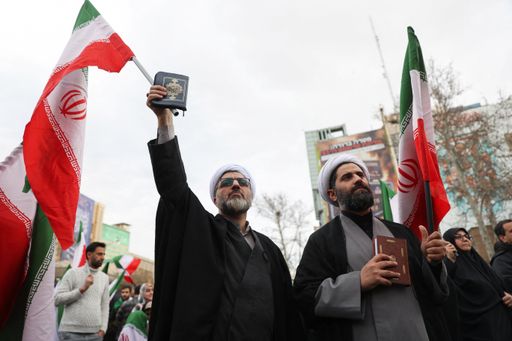
Rahim Farzam, a foreign policy analyst at the Ankara-based Centre for Iranian Studies, tells TRT World that Israel’s policy shift shows it wants to expand the scope of conflict and restore deterrence.
He traces the shift back to resistance group Hamas’s cross-border blitz into Israel on October 7, 2023.
The Hamas operation created a political and societal consensus in Israel, allowing it to deploy “more direct and risk-tolerant tools” against not only Gaza but also Iran and Iran-linked networks, he says.
In Israel’s view, Farzam says, Iran’s regional proxies are too reliant on strong leadership from Tehran.
This makes decapitation strikes — like the one on Hezbollah’s Nasrallah — seem like a quick and reckless way to disrupt coordination.
Yeniacun agrees with this view. He refers to Israel’s advanced technology, from cyber tools to precision strikes, as factors that make such high-profile killings “more feasible and operationally attractive”.
At the same time, experts warn that Israel’s shift from so-called restraint is not just about tactics.
It is a dangerous escalation caused by domestic pressures in Israel, where leaders face demands for tough responses after the security failure of October 7, 2023.
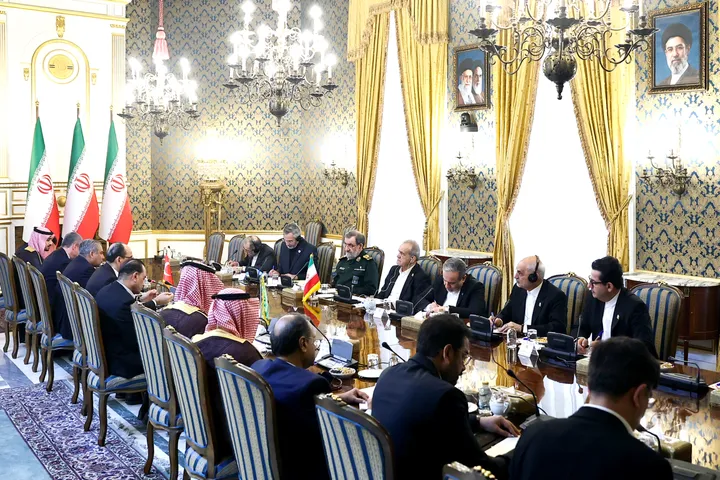


Israel’s government, under fire for not preventing Hamas’s attack, has used these high-value assassinations to project strength, even if it means ignoring global norms, analysts say.
Israel crossed a red line
Khamenei’s killing takes Israel’s decapitation policy to an unprecedented level.
Unlike Haniyeh, who led a resistance group, Khamenei was the head of a sovereign nation.
Carried out with a US partnership, the attack ignored longstanding diplomatic red lines.
The US role in the offensive adds another layer of hypocrisy.
American policy has long prohibited assassinations, rooted in executive orders from Presidents Ford and Reagan, following scandals over CIA plots against leaders like Cuba’s Fidel Castro.
Yet partnering with Israel on Khamenei’s killing suggests the ban on high-value assassinations is not set in stone.
Farzam says Washington’s support for such an attack does not necessarily indicate that leader assassinations have become “fully normalised” in US foreign policy.
“Rather, it should be understood as an exceptional decision shaped by a specific security context,” he says.
The US had vetoed similar Israeli proposals as recently as 2025, a policy move that reveals a sudden abandonment of caution.
The American flip-flop on the issue of high-value assassinations exposes how Israel’s influence has pushed even its closest ally into risky territory, despite US laws banning assassinations since the 1970s.
Experts argue that Israel’s actions are not only immoral but also self-defeating.
By normalising the killing of heads of state, Israel has “crossed a red line” that invites copycat operations against its own leaders or those of its allies, says Yeniacun.
He states that Khamenei’s killing erodes the post-World War II norm that kept political figures off limits.
“If targeting foreign leaders becomes normalised, other states may adopt similar strategies,” he says, adding that retaliatory moves can create a far more volatile and unpredictable global security environment.
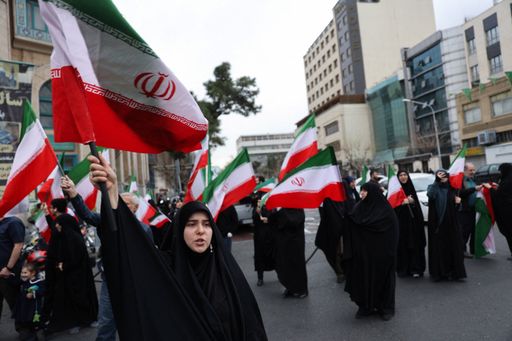
Iran’s retaliation after Khamenei’s death has already hit US targets across the Middle East, proving Yeniacun’s point that such strikes can worsen conflicts to a point where “political leadership itself becomes a strategic target”.
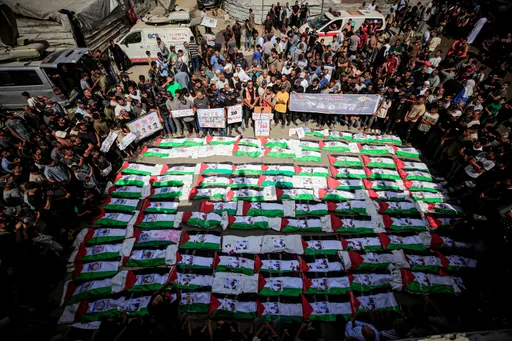
Decapitation strikes have also taken a huge human cost.
Israel has killed not just top leaders but their aides and civilians, who happened to be in the close vicinity of the target at the time of the attack.
In the case of Khamenei, for example, reports say the Israeli strikes also killed his wife, daughter, son-in-law, daughter-in-law, and granddaughter.
“Leadership-targeting operations may deliver short-term tactical gains,” Farzam says.
“(But) they also expand the geographic and political boundaries of a conflict over time.”