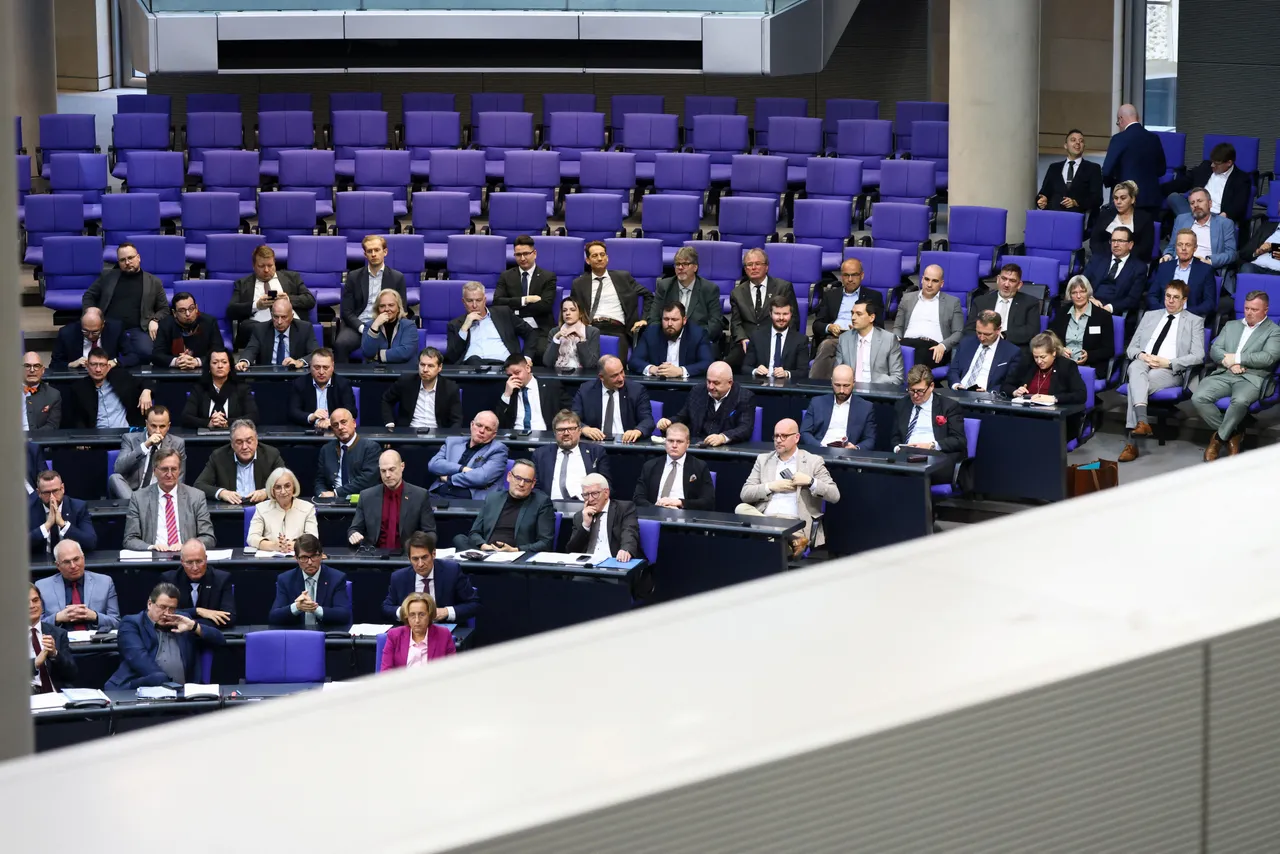
Germany's parliament has voted in favour of implementing major changes to European asylum rules that will introduce stricter migration controls and accelerated deportations for rejected asylum seekers.
The Bundestag approved the measures on Friday with 309 votes in favour and 260 against, with two abstentions.
The governing coalition of the Christian Democrats and Social Democrats supported the legislation, while the far-right AfD voted against it.
Interior Minister Alexander Dobrindt defended the new rules during parliamentary debate, saying the government is sharpening migration policy and sending a clear message, together with EU partners, that Europe is hardening its approach to migration.
"There are three main pillars in this system. The EU's external borders will be better protected. The second pillar, the Dublin system, will be made functional again," he said, referring to EU regulations that require asylum seekers to remain in the first EU country they enter while their applications are processed.
"The third pillar is solidarity. We will not abandon the countries on the external borders," he said, promising that all EU member states will share the burden either by relocating asylum seekers or providing financial contributions.
The legislation implements asylum system reforms that EU member states agreed to in May 2024.






Under the new rules, all arriving asylum seekers will undergo identity checks, and applications from nationals of countries with low recognition rates will be processed at EU external borders.
The legislation authorises German federal states to establish secondary migration centres, facilities designed to house asylum seekers who entered the EU through another member state where they already filed applications.
Those for whom another EU country holds legal responsibility will be required to remain in these centres while their cases are processed.
German Chancellor Friedrich Merz faced sharp criticism from his coalition partners last year over controversial “criminal” remarks on migration as critics accused him of echoing the racist rhetoric of the far-right AfD Party.
Germany's border controls have created tensions, particularly with its eastern neighbour, Poland.
Warsaw imposed reciprocal temporary checks at its own frontier, with senior Polish politicians accusing Germany of funnelling migrants into Polish territory.