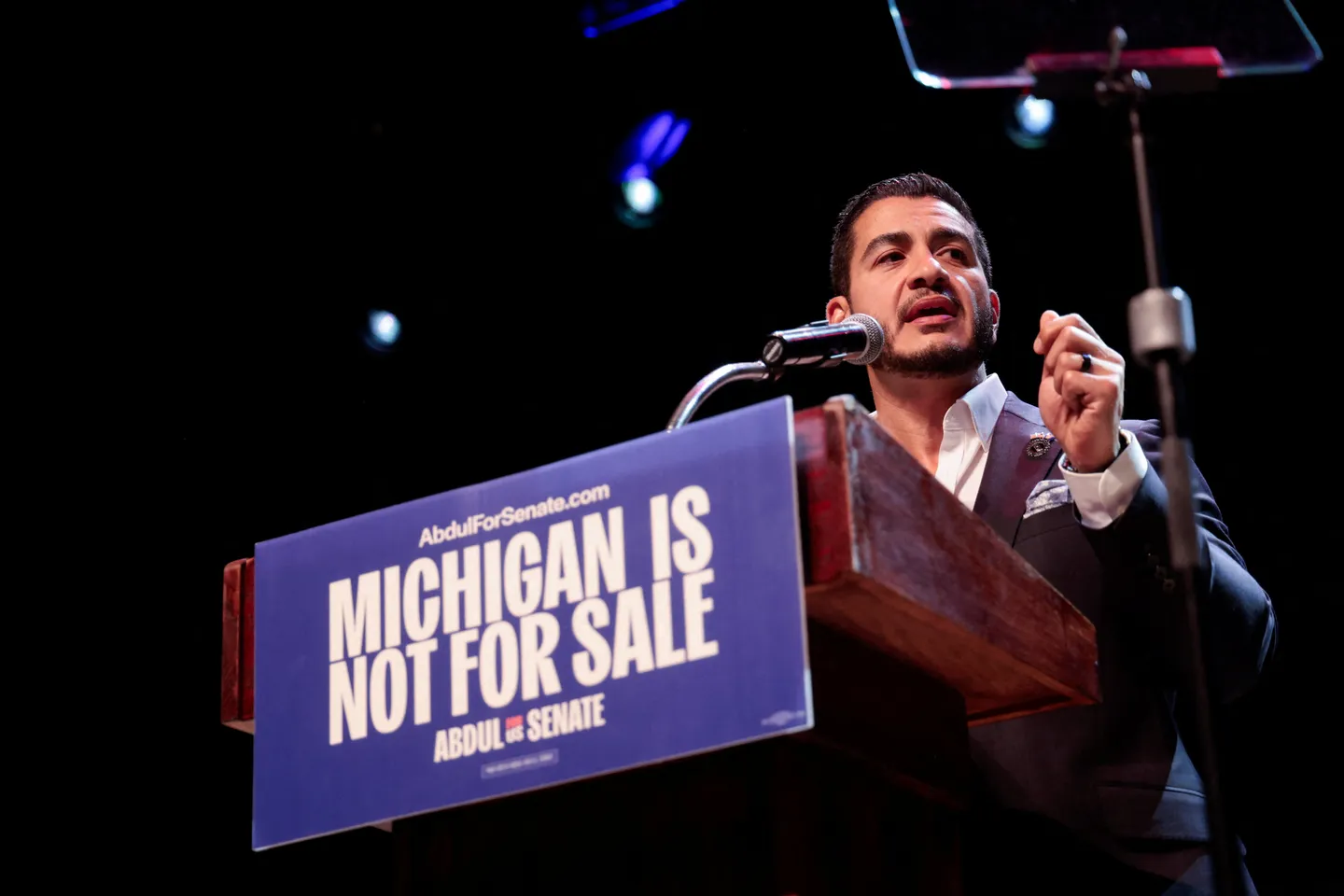
Michigan Democratic Senate nominee Abdul El-Sayed on Wednesday brushed aside attacks from President Donald Trump, saying voters are more concerned with affordability than political insults as he launched his general election campaign against Republican Mike Rogers.
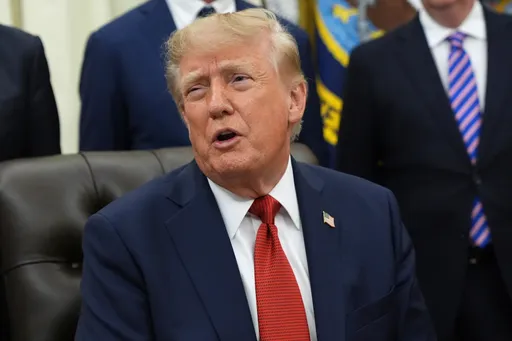
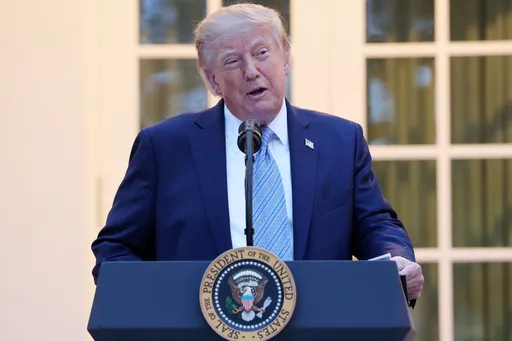
El-Sayed, who narrowly defeated Rep. Haley Stevens in Tuesday's Democratic primary, responded to Trump's repeated attacks after Trump called him "full of sh-t," a "Radical Left Socialist" and a "Communist."
"I invite the president to focus on what I'm saying. I want to get money out of politics, put money in your pocket, and pass Medicare for all," El-Sayed said in an interview with CNN.
"This is a guy who can't even focus on our affordability. He's more interested in saying my name in an interesting way or calling me a lovely gentleman than he is interested in actually solving our problems."
El-Sayed said his campaign would focus on lowering costs, expanding health care access and addressing Michigan's housing crisis. He criticised Rogers, a former congressman, for accepting more than $1 million from the pharmaceutical industry during his time in Congress.
"We have an opportunity right now to come together to embrace the idea that we can have an America that is affordable, because Michiganders right now are suffering," he said.
‘I am against it’

Asked about his position on military funding for Israel, El-Sayed said he opposes "unconditional military aid for any country," including Israel, Egypt, Pakistan, Saudi Arabia and the United Arab Emirates (UAE).
"I don't want to fund a foreign military that does genocide, apartheid, or has taken us to a war we don't need to fight," he said, adding that US tax dollars should instead be spent on health care, schools and infrastructure at home.
Asked whether he supports funding for Israel's Iron Dome missile defence system, El-Sayed said he opposed such assistance, saying: “I am against it in large part because I just don't understand why anybody thinks it's the right thing to do, to send our tax dollars abroad to fund foreign militaries when our own kids barely get to go to schools that are functional.”
The US provides $3.3 billion annually in foreign military aid to Israel plus $500 million for missile defence programmes, including the Iron Dome under a 10-year memorandum of understanding signed in 2016.
Egypt receives roughly $1.3 billion a year in military financing, while Pakistan's US military assistance has fallen sharply from Cold War-era levels. Saudi Arabia and the UAE receive no direct US military aid.
El-Sayed defeated Stevens in Tuesday's Democratic primary by roughly one percentage point and will face Rogers in November for the seat being vacated by retiring Sen. Gary Peters in a race seen as pivotal to Democrats' hopes of retaking the Senate.