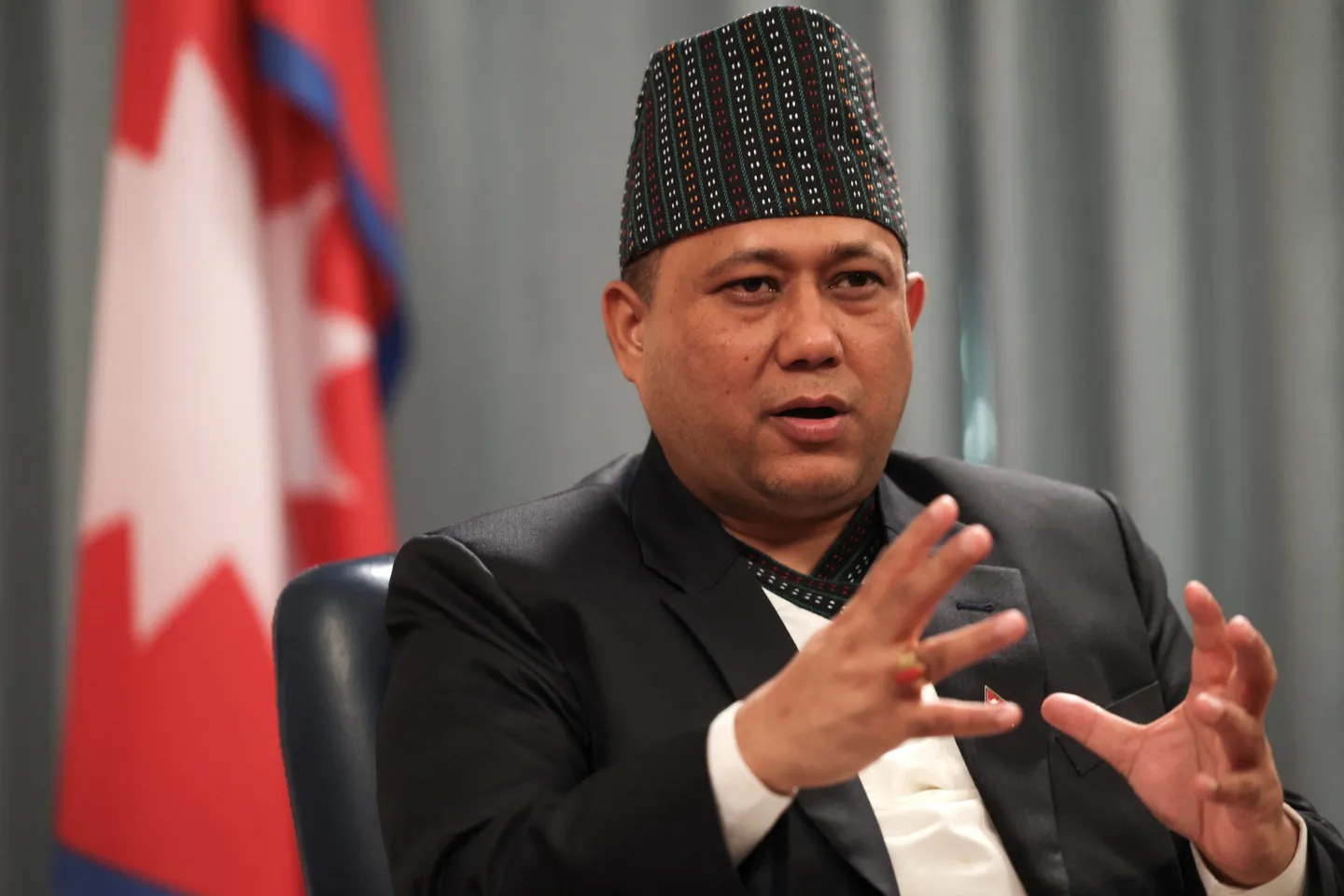
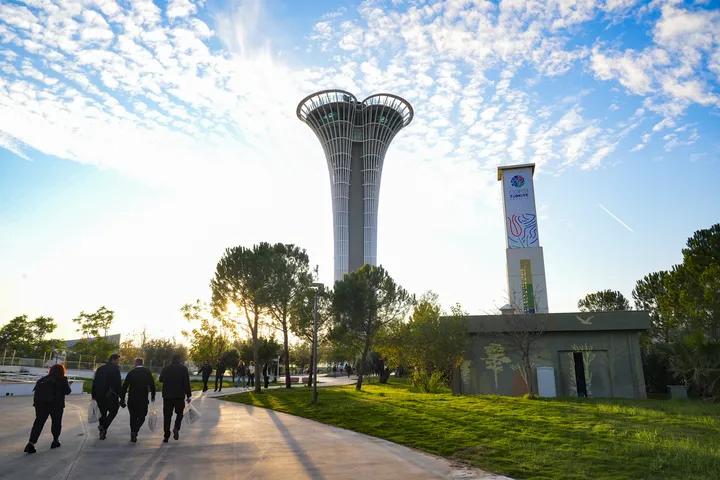
Nepal, still reeling from devastating floods in August, is urging the international community to recognise the vulnerabilities of communities living in mountainous regions. Speaking to Anadolu on the sidelines of the COP31 summit in Antalya, Türkiye, the country's foreign minister called for faster access to climate disaster funding to support recovery efforts and better prepare for future emergencies.
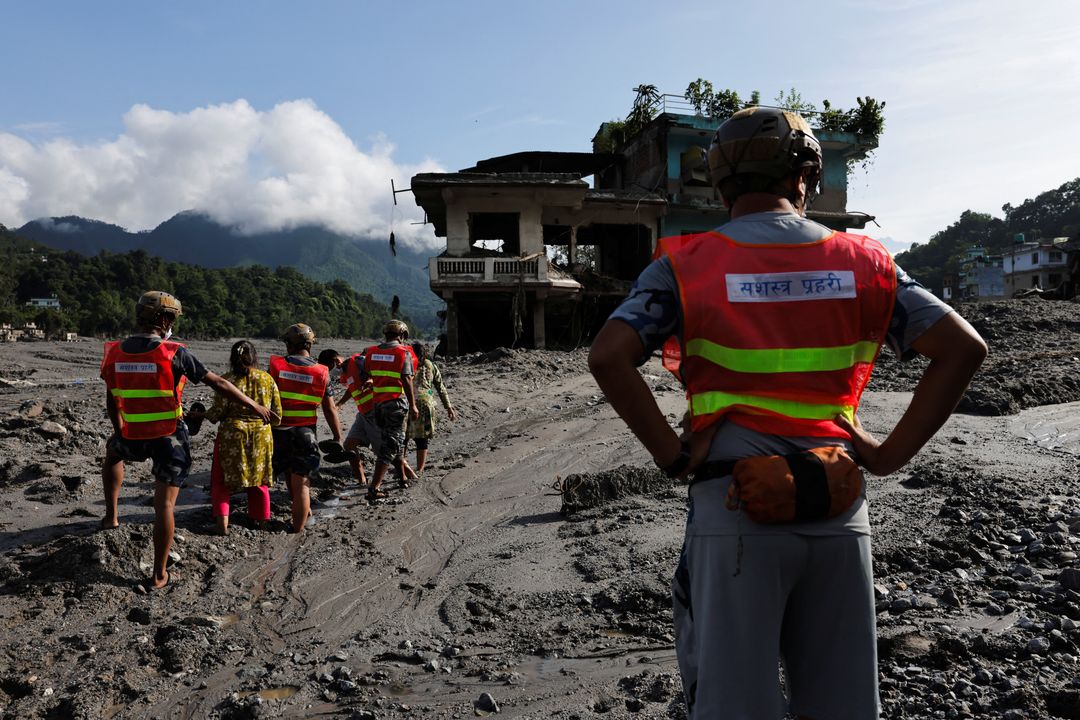
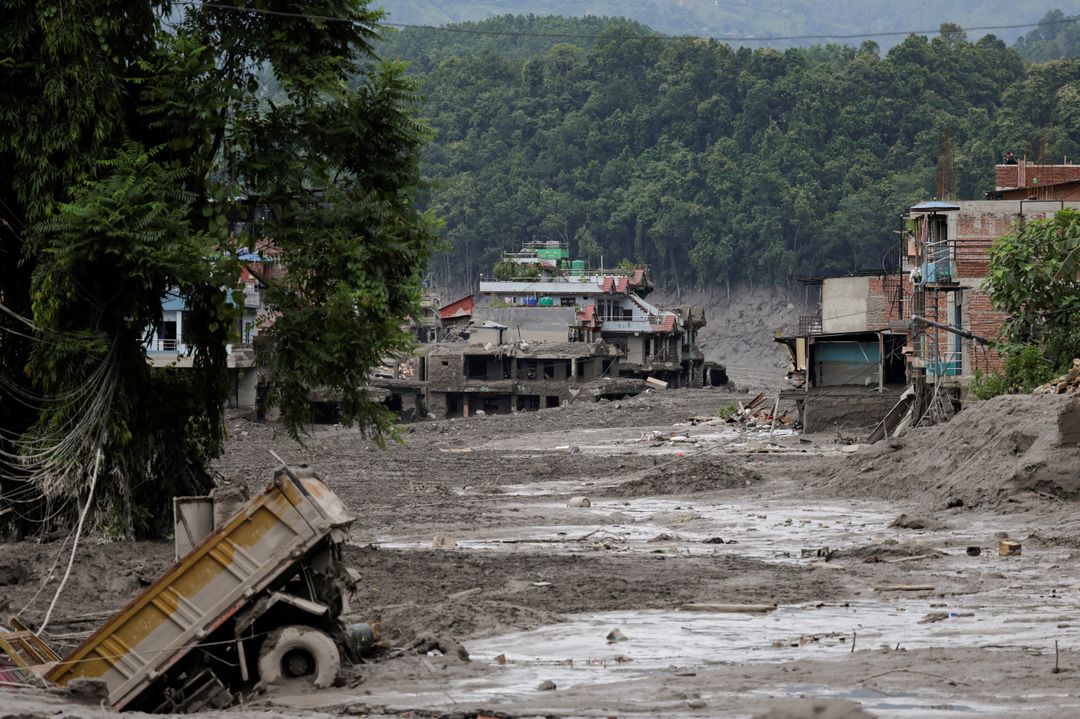
Nepal’s appeal follows a massive rock-and-ice collapse in the Langtang region that unleashed a surge of water, mud and debris through the Nepal-China border corridor on August 26.
At least 1,451 people were killed and 5,745 remained missing in Nepal, according to national disaster authority figures. Chinese authorities reported another 43 deaths and 519 missing.
Tens of thousands lost their homes, land and livelihoods. River levels downstream rose nine metres in half an hour, leaving little time to warn communities.
Delays in delivering climate disaster funding are “not justified” when devastated communities urgently need support, Nepal’s Foreign Minister Shisir Khanal told Anadolu.
Khanal welcomed the provisional allocation of funds to Nepal following devastating floods in August, but warned that additional approval requirements could delay disbursement by several months, leaving affected communities waiting for assistance.
“We need resources immediately after disasters to rebuild, to provide relief support,” he said.
The Loss and Damage Fund, an international climate finance mechanism, announced in late October that it had provisionally set aside $21.6 million for Nepal.
Its board also allowed the country to submit a funding request outside the standard application period to expedite its response.
Khanal described the allocation as a historic step, but said the decision took almost two months after the disaster, with further procedures required before Nepal could receive the funds.
“We have to submit proposals and they have to accept the proposals,” he said.
The actual transfer could take months, he added.
“And what we've been raising is: ‘this is not justified.’”
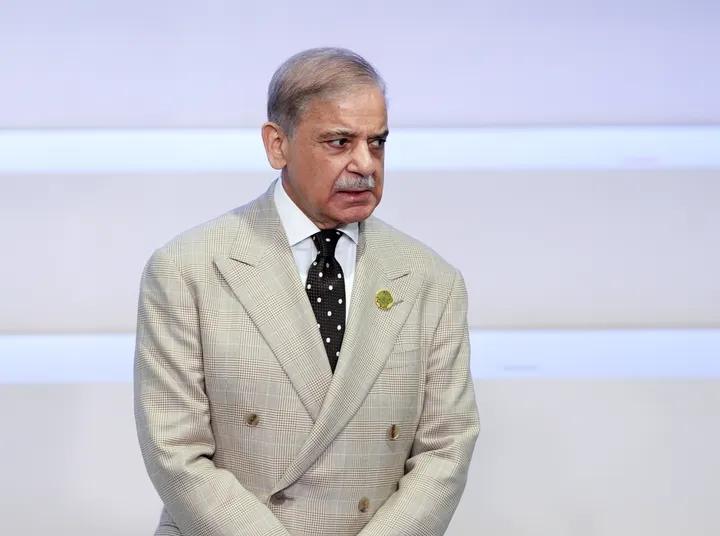





Khanal called for financial mechanisms that deliver assistance immediately after disasters, rather than requiring affected communities to endure lengthy approval processes.
Billions needed for reconstruction
Khanal said Nepal needs about $5 billion for reconstruction, alongside additional resources to prepare for further emergencies.
“We need about $5 billion for reconstruction, but we also need further resources for future similar disasters,” he said.
He warned that the threat of similar disasters remains high for Nepal and other mountain communities, underscoring the need for funding that supports both recovery and preparedness.
Seeking recognition for mountain vulnerabilities
Alongside faster access to finance, Nepal is pressing for stronger recognition of mountain vulnerabilities in COP31 decisions.
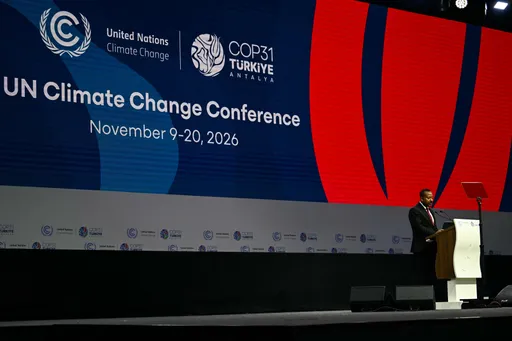
His appeal comes as governments gather for COP31, the UN climate change conference being held between November 9 and 20 in Antalya, to negotiate emissions reductions, adaptation and climate finance.
Türkiye holds the conference presidency, while Australia leads negotiations, with talks focused on turning climate pledges into action and strengthening support for developing countries.
Khanal said Nepal and Bhutan had submitted a proposal for a dedicated mountain agenda item, but it had not been formally adopted during preliminary negotiations.
Nevertheless, he said the presidency had assured Nepal it would engage with its delegation throughout the conference.
“At this point, what we really want is the mountain issues to be recognised in the decision-making process,” he said.
Nepal is seeking research and technical assistance to better understand warming and its consequences in mountain regions, giving communities more time to prepare for future disasters.
“So we want research, we want technical support,” Khanal said.