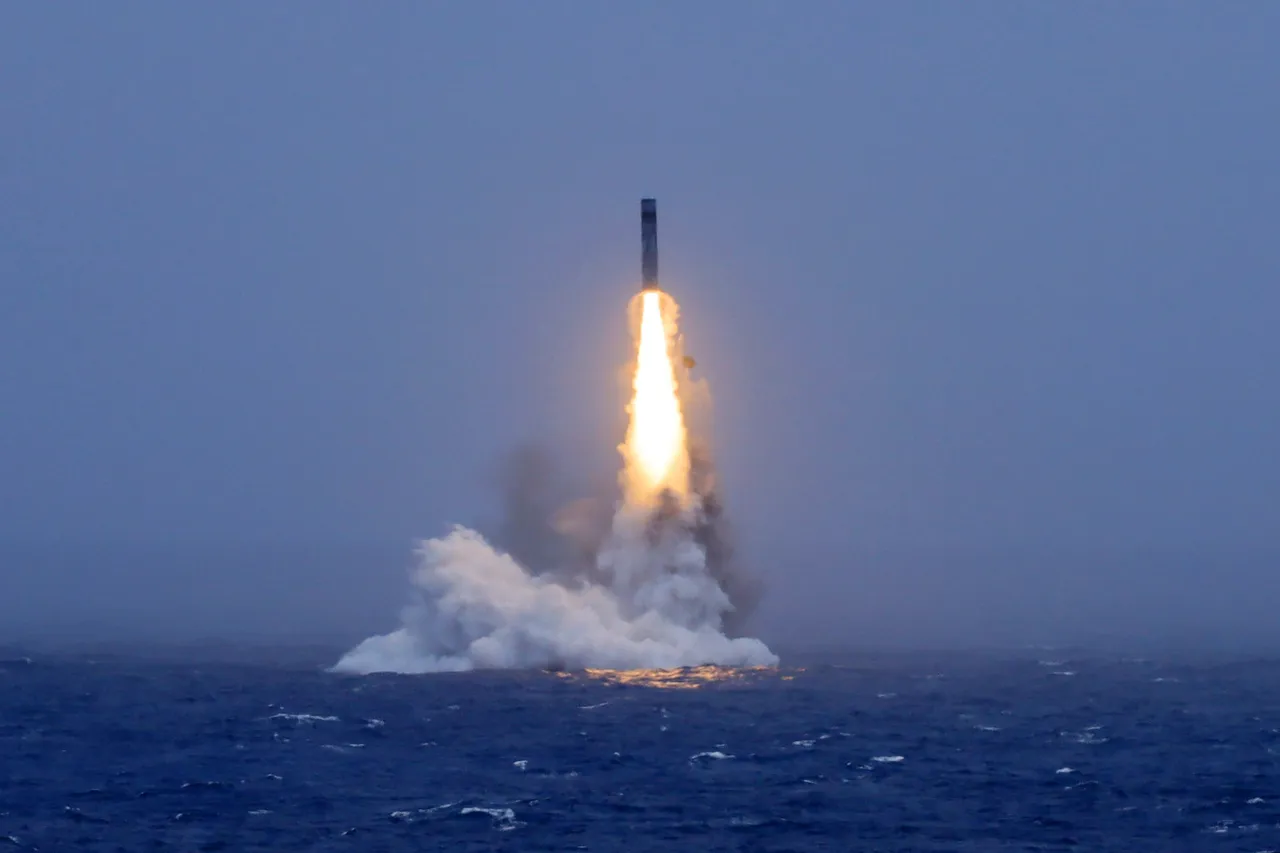
Australia said China's test launch of a nuclear-capable ballistic missile into the South Pacific reflected "the biggest military build-up in our region since World War II."
Defense Industry Minister Pat Conroy on Tuesday that said the Chinese government had been planning the long-range test for "some time" but only informed Australia a few hours beforehand.
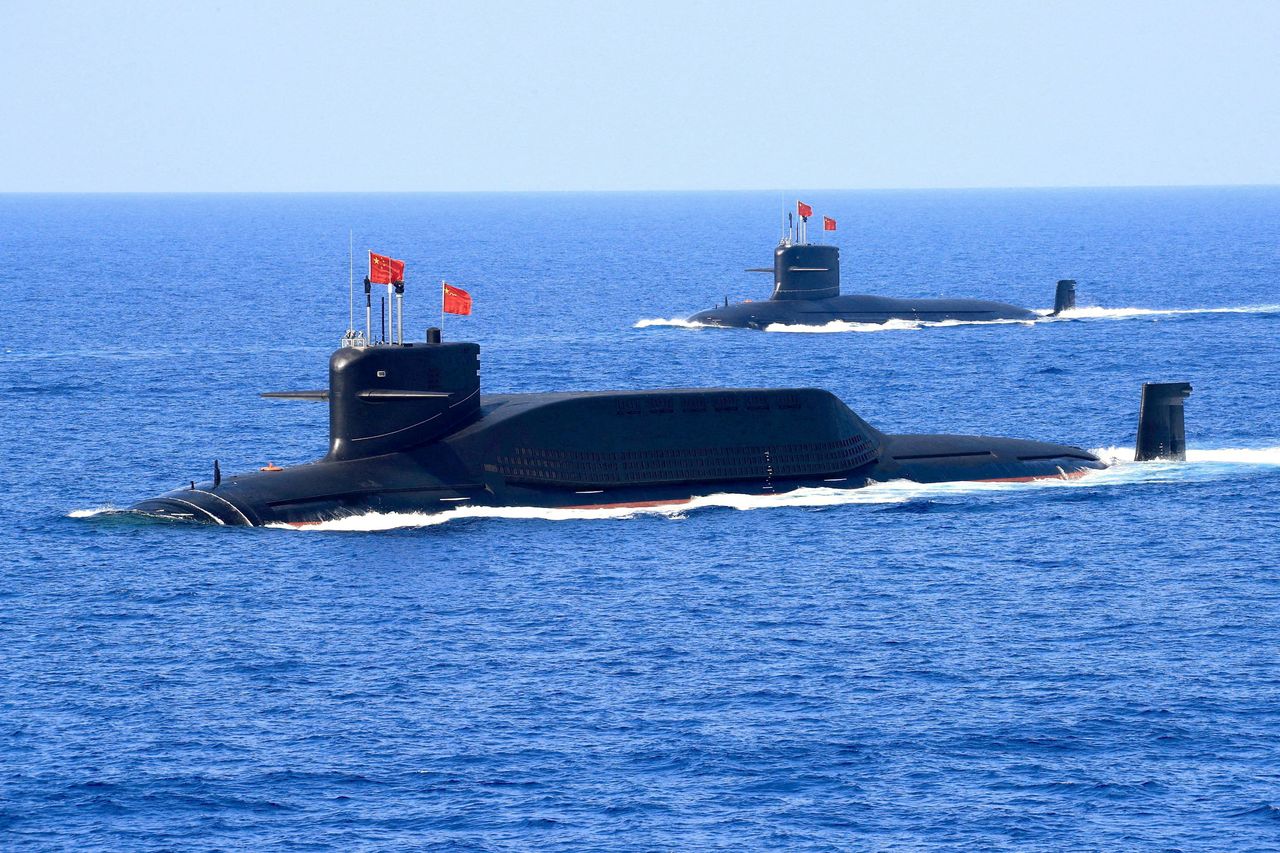
China said on Monday it had successfully conducted the test launch of a strategic missile from a nuclear submarine, hours after Beijing notified several Pacific nations of the planned test.
The launch marks China's second strategic missile test since it fired an intercontinental ballistic missile (ICBM) into the Pacific Ocean in September 2024, the first such test since 1980.
The launch came just hours after Australia and Fiji signed a major defense alliance committing each country to come to the other's aid if either is attacked.
"We've been very clear that we're seeing the biggest military build-up in our region since World War Two, and it's not being accompanied by sufficient transparency," Conroy told ABC's RN Breakfast program.
Conroy added he believed the launch was "more likely to be a coincidence rather than linked" to the Fiji agreement.
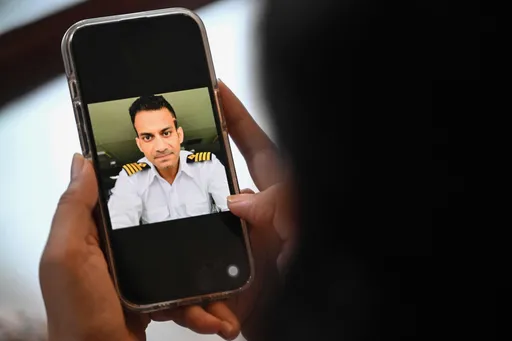
Defense Minister Richard Marles, who is also the deputy prime minister, said Canberra had raised its concern with China "directly."
"This is China demonstrating a much greater range in terms of being able to deploy a nuclear weapon," Marles told ABC News.
"There really isn't an explanation as to why they are building the capabilities that they are and that is fundamentally destabilising," he added.
'Not act of a friend'
Canberra has raised the issue with China "directly," said Australian Prime Minister Anthony Albanese, who labelled the missile test "destabilising and provocative."
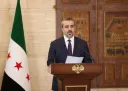
"We don't want to see any action that is destabilising or that undermines the peace, security and stability of the Pacific and the region," Albanese said while speaking alongside Solomon Islands' Prime Minister Matthew Wale in the capital, Honiara.
He added that ordinarily a test like this would come with 48 hours' notice, which he said was not provided by China.
Wale also criticised the missile test, saying it was "not the act of a friend."
"And as chair of the Pacific Islands Forum, I have registered my strong protest yesterday with the ambassador. Solomon Islands also lodged a protest note.
"We don't want to see any more countries — China, America, anybody — testing (intercontinental ballistic missiles) in the Pacific Islands region, that's the bottom line.
"Be our friend, but don't threaten us," he added.
'China committed to peaceful development'
Reiterating that its ICBM test was a “routine military training activity and not directed at any specific country,” Beijing on Tuesday said it had notified the Solomon Islands and other South Pacific countries before the launch, which is consistent with international law and common practices.
“China is committed to the path of peaceful development and upholds the nuclear strategy of self-defence,” Foreign Ministry spokesperson Mao Ning told reporters in Beijing.
“The relevant country should not read too much about it,” Mao responded when asked about reactions from the Solomon Islands and other regional nations to the missile test.