The United States has spent roughly $12 billion on its military offensive against Iran, a top White House economic adviser said on Sunday, as the administration sought to reassure Americans about the war’s growing financial toll.
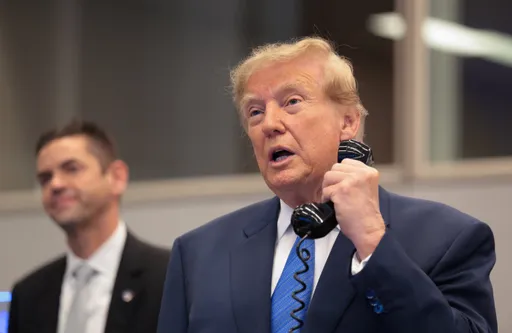
Speaking to CBS News, Kevin Hassett, a senior adviser to Donald Trump, said the figure reflects what the US has spent so far since launching joint strikes with Israel.
“The $12 billion was what I was briefed has been spent so far,” Hassett said, adding that the amount does not represent the total cost of a full offensive expected to last several weeks.
The comments come as Washington moves to reassure the public that the conflict will not significantly strain the US economy or require emergency funding from Congress.

“No additional funding needed”
Pentagon estimates previously indicated that the cost of the war surpassed $11.3 billion within the first six days, driven largely by the heavy use of precision-guided munitions and air assaults.
Hassett said the administration does not expect to ask lawmakers for additional funding, arguing that existing military stockpiles are sufficient to sustain attacks.
Defence officials believe the offensive — which began on February 28 — could last four to six weeks, with Hassett claiming the military is already ahead of schedule.




“We’re a couple of weeks in,” he said.
Energy Secretary Chris Wright also predicted the war could end within weeks, while administration officials attempted to calm fears of economic fallout from the conflict.
“No major damage expected on US economy”
Hassett said the government is working to shield US farmers and industries from supply disruptions by expanding permits for energy and fertiliser supplies from Venezuela and Morocco, while also allowing more foreign vessels to transport jet fuel from the Gulf of Mexico to the US West Coast.
He also dismissed warnings from Tehran that the war could damage the American economy, arguing that the United States is far better positioned than during the 1970s energy crisis thanks to its status as a major oil producer.
The US–Israeli offensive has already inflicted heavy losses. Reports estimate roughly 1,200 people have been killed in Iran since the strikes began, including the country’s former supreme leader Ali Khamenei, while 14 US service members have died during the operation.
Despite the mounting costs and casualties, the White House maintains the offensive is progressing faster than expected.