 Ahmed Najar
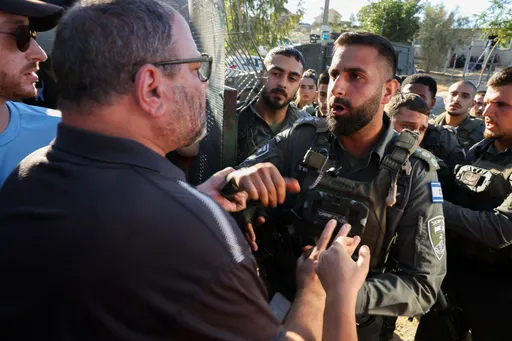
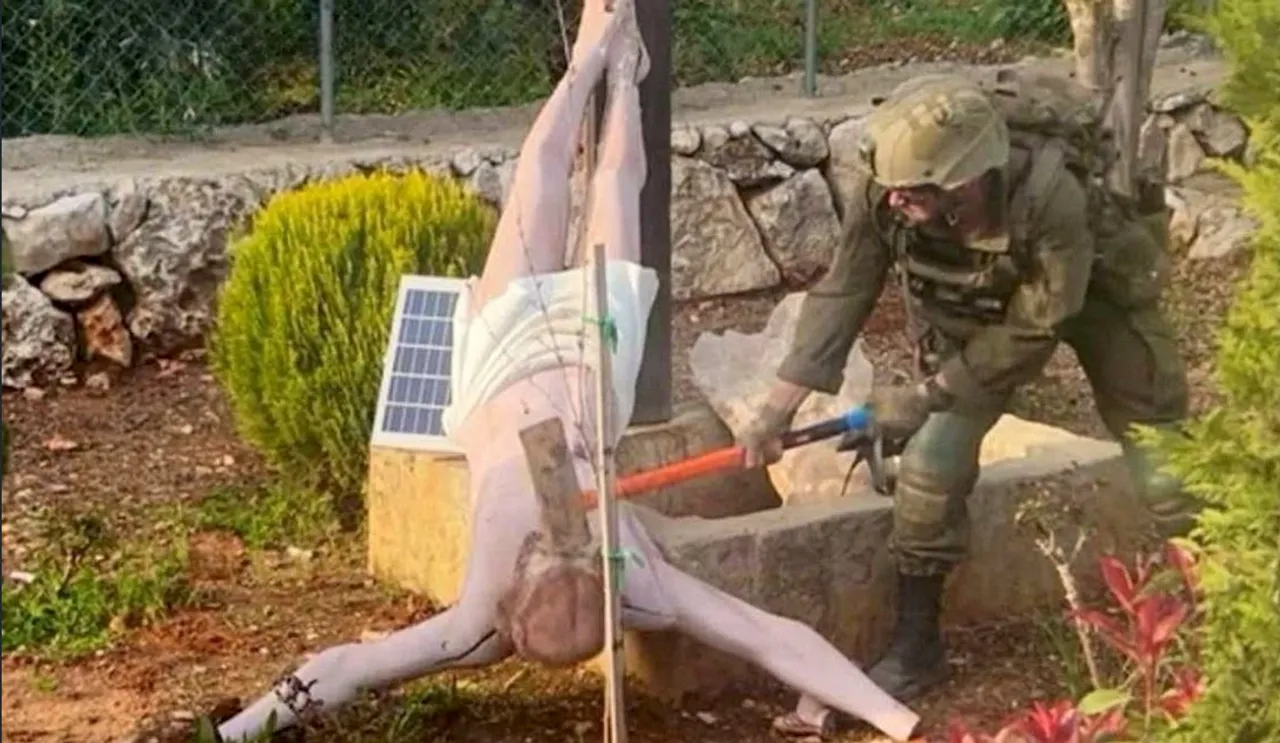
A video emerges of an Israeli soldier vandalising a statue of Jesus in southern Lebanon. The footage spreads quickly. Outrage follows, particularly among Christian communities.
Soon after comes the familiar choreography of official condemnation and media containment: the military distances itself, the act is attributed to an individual soldier, and the story is framed as an isolated incident—an aberration rather than a reflection of institutional culture.
This language matters.
In much of Western media coverage, violence is fragmented into discrete, digestible episodes.
A church is struck in Gaza. A mosque is flattened in Lebanon. A cemetery is bulldozed. A sacred symbol is desecrated. Each event is reported, explained and then sealed off from the next. The effect is to transform accumulation into coincidence.
This is not merely a failure of framing. It is a form of narrative management.
By isolating each act from the wider context of Israel’s genocide in Gaza and its regional escalation, the public is discouraged from recognising patterns of conduct. Systemic behaviour is recast as an anomaly.
Institutional culture is obscured behind the fiction of individual excess.
This pattern of reporting does not deny what happened. It neutralises what happened.
It creates the impression of unfortunate but disconnected mistakes rather than a continuum of destruction.
It turns what may be systemic into something accidental. It encourages audiences to react emotionally to each fresh image while denying them the framework to understand why such images keep appearing.
That is what makes the phrase “isolated incident” so politically useful.
Systematic destruction
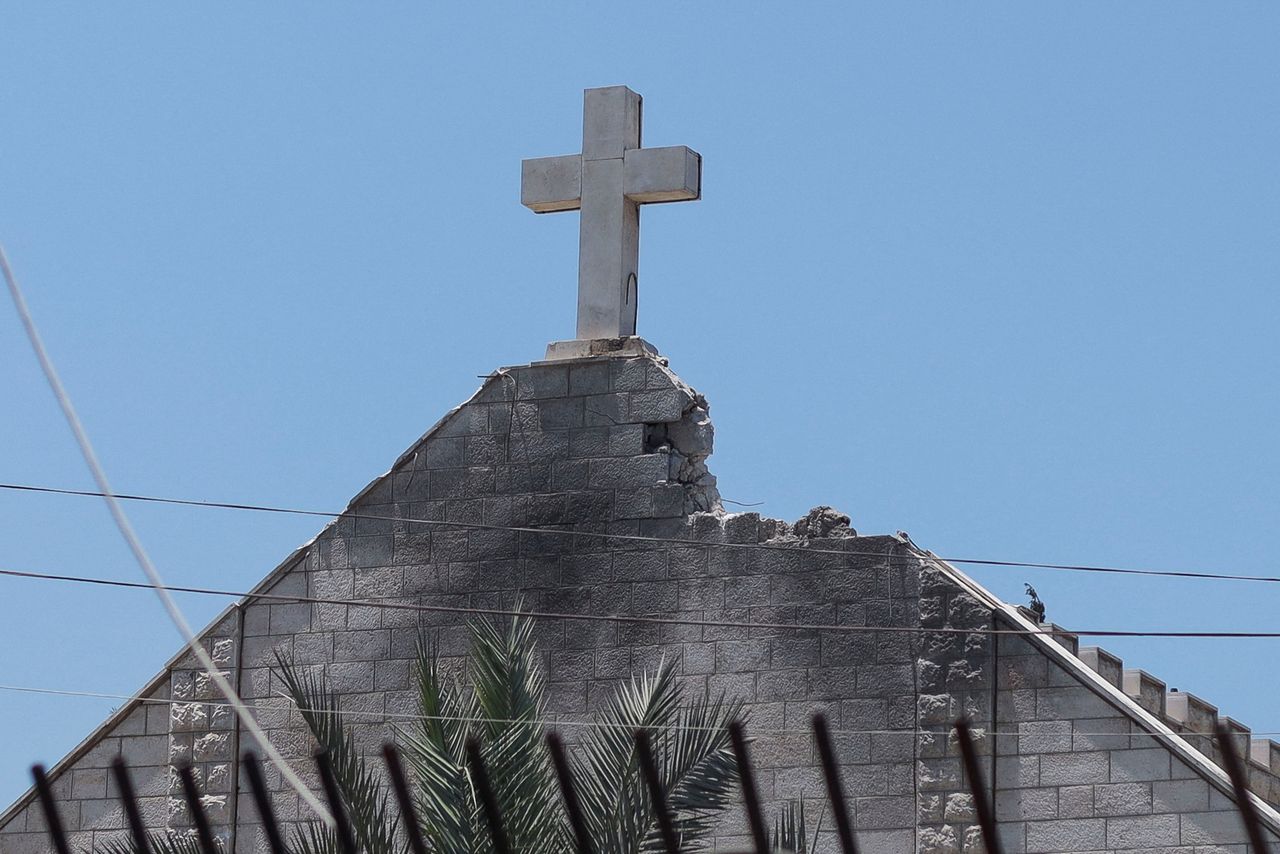
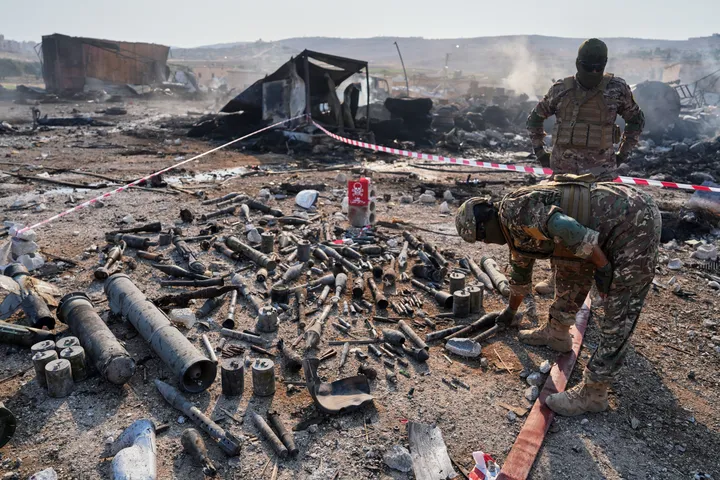
For nearly two years, religious and archaeological sites across Gaza and Lebanon have been damaged, desecrated or destroyed. In Gaza, churches that have stood for centuries have been struck during Israeli attacks.
The Church of Saint Porphyrius—one of the oldest churches in the world—was hit in October 2023, killing civilians sheltering inside.
The Holy Family Church, Gaza’s only Catholic church, was also damaged, prompting condemnation from Christian leaders around the world.
Mosques have suffered even more extensively. Hundreds across Gaza have reportedly been destroyed or severely damaged.
Historic sites, including ancient mosques, have been reduced to rubble. In southern Lebanon, mosques and other religious structures have also been hit amid escalating bombardment and cross-border attacks.
Cemeteries, too, have been bulldozed or damaged. Graveyards have been desecrated in ways that carry not only military implications but profound cultural and religious ones.
Yet these incidents rarely enter the same narrative frame.
Each case arrives wrapped in explanation. The site was near militants. The strike was unintended. The intelligence was flawed. The footage lacks context. The act was unauthorised.




Some of these explanations may, in individual cases, be true. But patterns are not judged by one event in isolation. They are judged by accumulation.
That accumulation becomes harder to ignore when considered alongside the rhetoric surrounding Israel’s genocide in Gaza.
Senior Israeli officials and public figures have repeatedly used language that dehumanises Palestinians and casts the violence in civilisational, biblical or existential terms.
Palestinians have been referred to as “human animals”. Entire communities have been framed as collectively complicit.
Calls to “erase” places have been made openly. Some ministers have invoked religious imagery and ancient narratives to frame territorial claims or military violence.
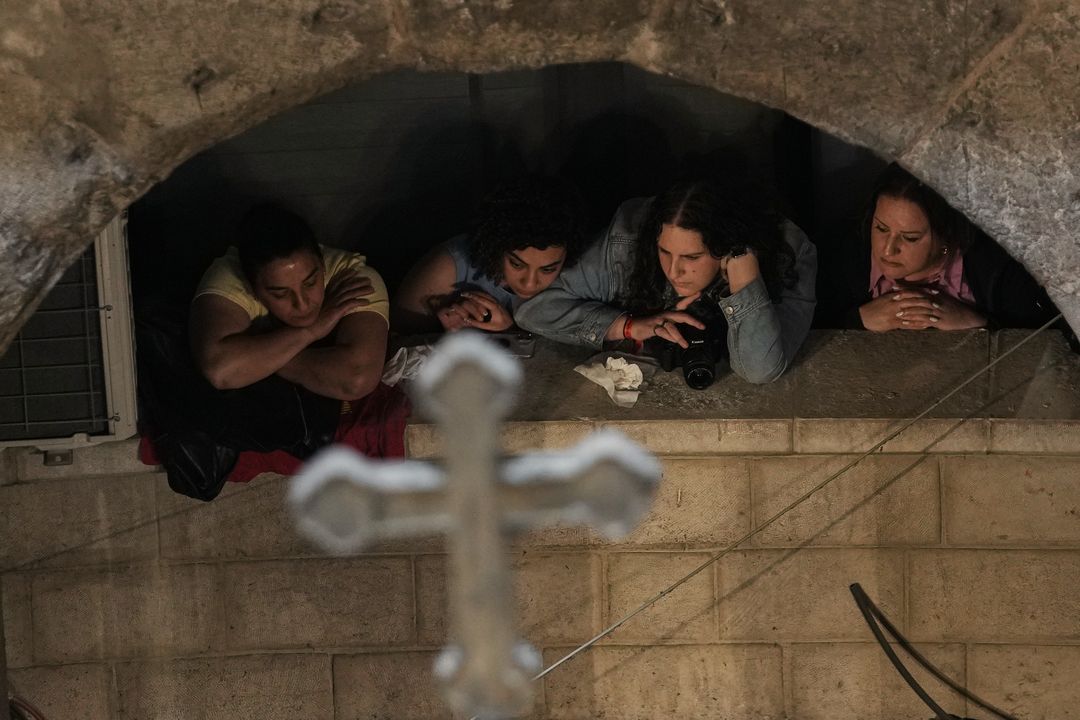
Language of violence
Words matter because they shape moral boundaries.
Language does not pull triggers or drop bombs, but it creates an environment in which certain acts become easier to justify, excuse or ignore.
When populations are dehumanised, their places of worship become less sacred, their suffering less visible, and their deaths less mourned.
And when acts of desecration occur—whether by missiles, bulldozers or soldiers with cameras—they are more easily dismissed as unfortunate excesses rather than symptoms of something deeper.
None of this is to argue that every act of destruction is deliberate, or that every soldier acts with malicious intent. War is chaotic. Mistakes happen. Religious sites can be caught in crossfire.
But this argument is not about any single strike or soldier.
It is about culture—what institutions tolerate, what leaders signal and what the international community normalises.
A military’s values are not measured only by official statements after public outrage.
They are measured by patterns of conduct, accountability and the gap between rhetoric and reality.
A soldier filming himself desecrating a sacred Christian symbol may not have acted under orders, but such acts do not occur in a vacuum.
They emerge from environments in which previous acts have gone unpunished, politically defended or quietly explained away.
This is not only a question of military conduct. It is a question of how these events are narrated and remembered. To describe each incident in isolation may appear balanced or fair. But neutrality can become distorted when context is stripped away.
A smashed statue may be the latest headline. But it is also part of a wider story—one of destruction, dehumanisation and selective outrage.
Until that story is told honestly, the world will continue to react to each new image with temporary shock before moving on to await the next “isolated incident.”