A US federal judge has ordered the Trump administration to release full Supplemental Nutrition Assistance Programme (SNAP) payments to states by Friday, after weeks of uncertainty over food aid distribution during the ongoing government shutdown.
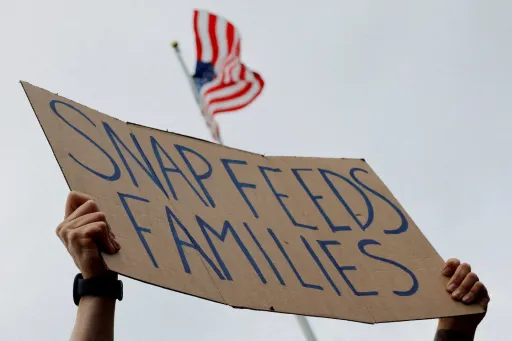
SNAP, commonly known as food stamps, provides monthly assistance to more than 40 million low-income Americans to buy groceries.
The ruling, issued by US District Judge John McConnell on Thursday, came in response to a lawsuit filed by Democracy Forward, a progressive legal advocacy group that accused the administration of unlawfully delaying benefits.
Democracy Forward sued the Department of Agriculture last month after the agency announced that November SNAP payments would not be distributed as long as the government remained closed.
The group argued that the decision was “arbitrary and capricious” and violated the Administrative Procedure Act.
Facing legal pressure, the Trump administration said it would provide partial payments by using $4.65 billion in contingency funds, covering about 65 percent of regular benefits.
It declined, however, to draw on additional reserves intended for child nutrition programmes. Agriculture Secretary Brooke Rollins said those partial payments could take several weeks to reach states.
“A state problem”








Democracy Forward then filed an emergency motion urging the court to compel the administration to speed up the release of benefits or secure full funding.
At Thursday’s hearing, government lawyer Tyler Becker told the court that the administration had already complied with the judge’s earlier order, arguing that “this is a state problem” and that states were responsible for distributing the funds already released.
Judge McConnell disagreed, saying the Trump administration “did nothing to ensure” that SNAP benefits would actually reach households this week.
He ordered the government to use both contingency and child nutrition funds — known as Section 32 funding — to make sure states can deliver the full payments without delay.
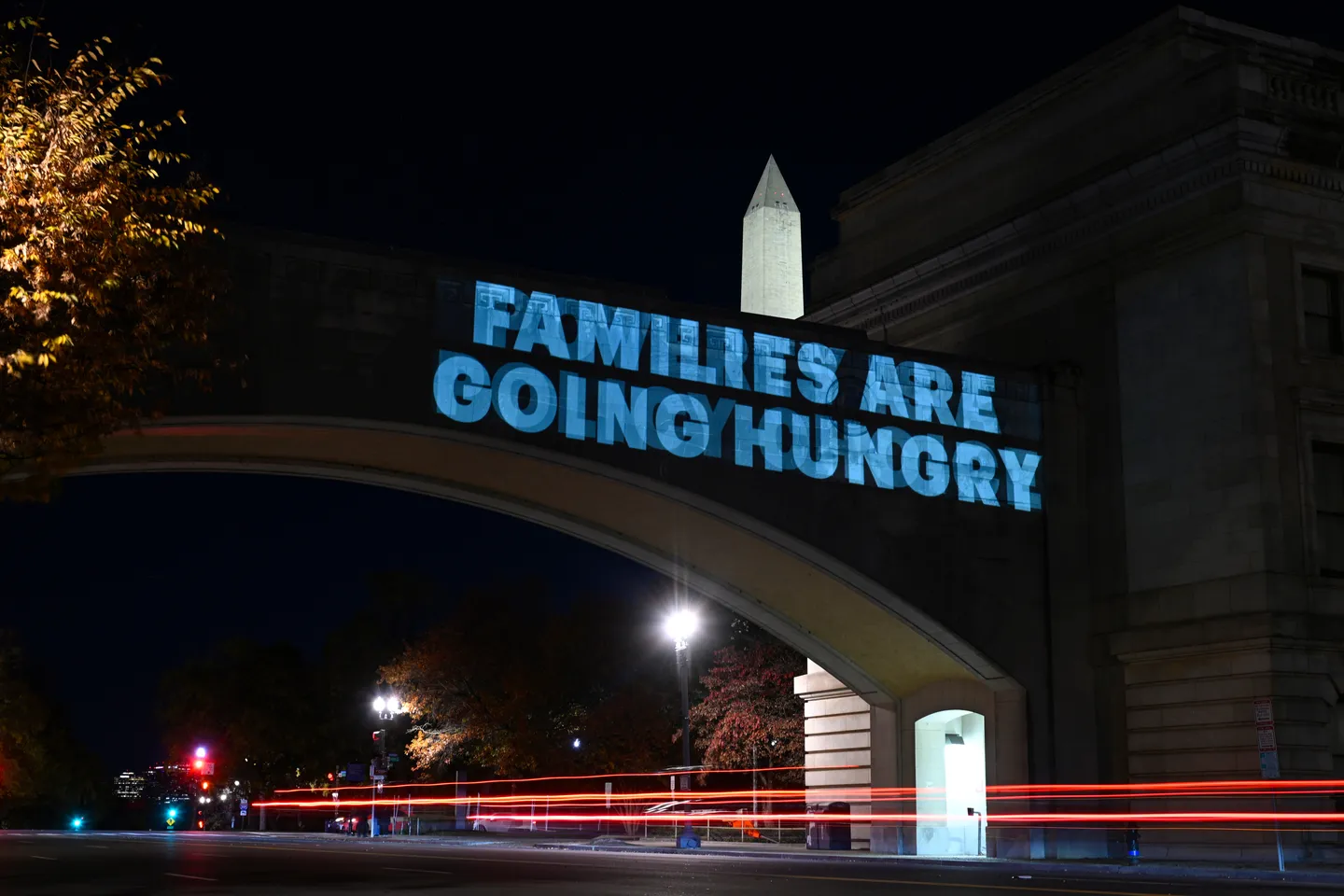
Millions of Americans have turned to food banks and relatives as the ongoing government shutdown, the longest in US history, delays payments from SNAP, which supports nearly 42 million people nationwide.
The delays have left households struggling to put food on the table, marking the first major lapse in SNAP’s six-decade history.
In the meantime, recipients are carefully managing already tight budgets, turning to food pantries, and making sacrifices to try to weather the turbulence.