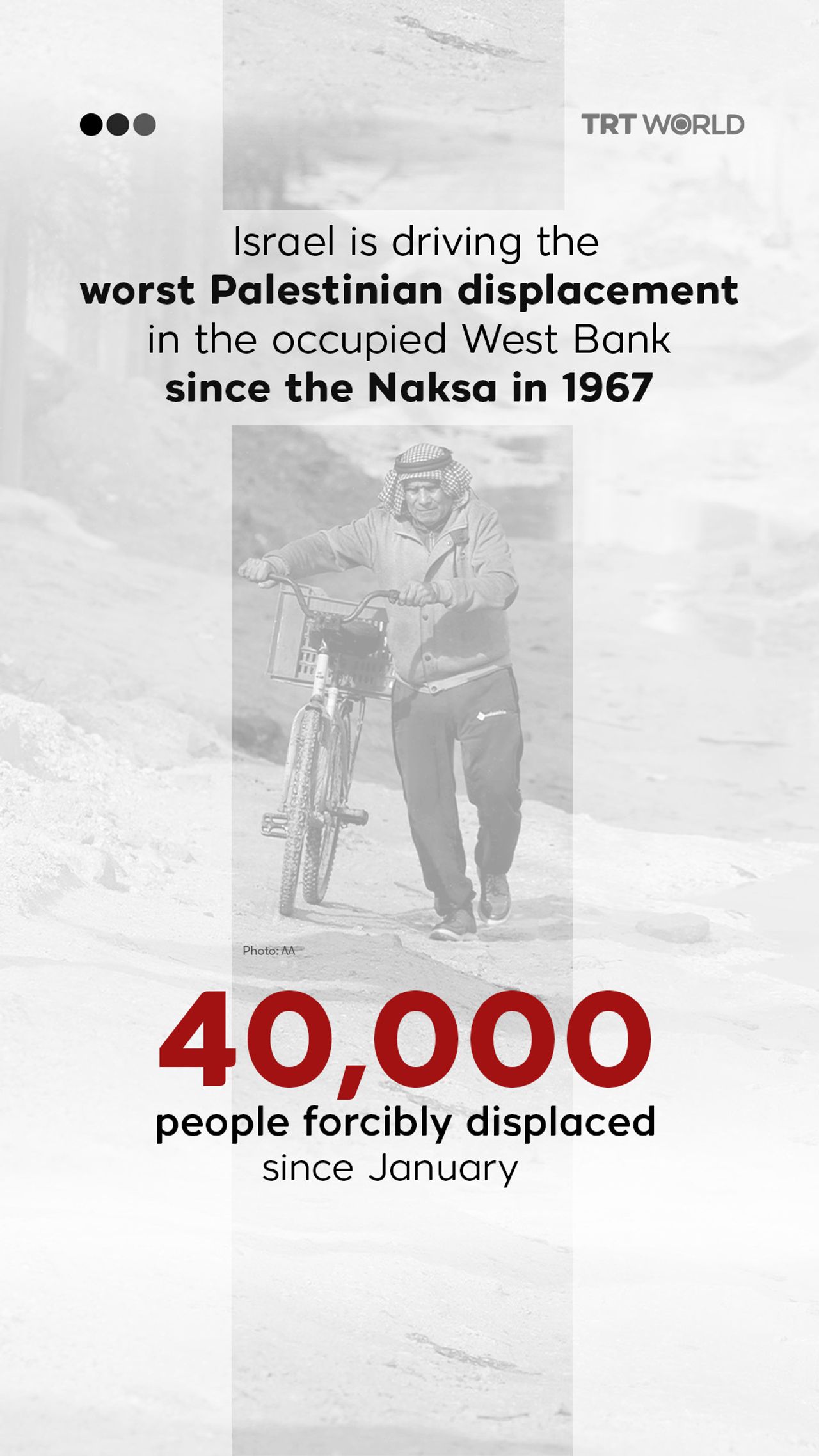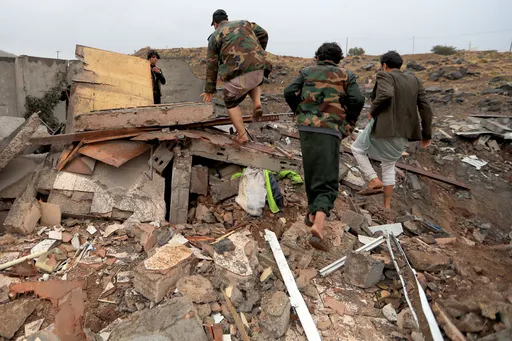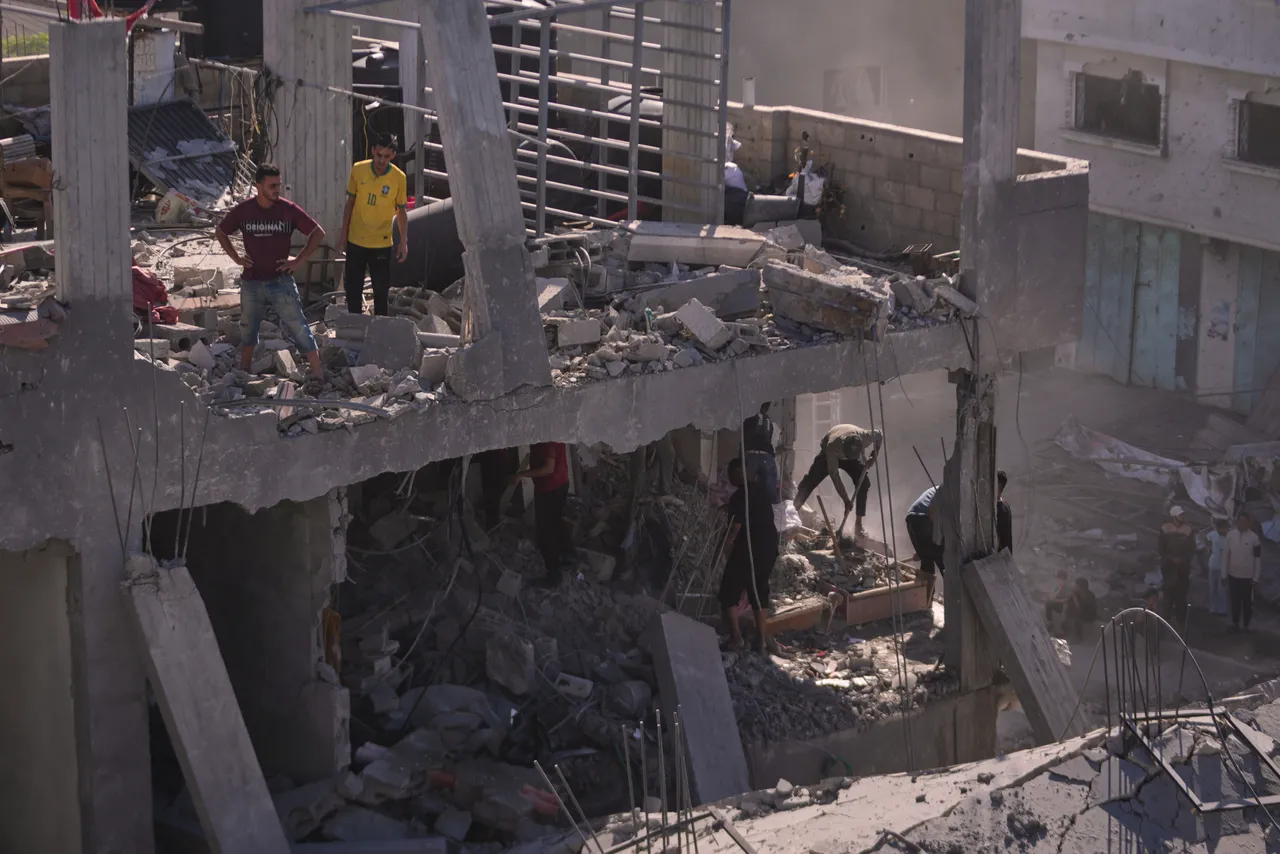
Palestinians on Friday marked the 59th anniversary of the 1967 Arab-Israeli war, known in Arabic as the “Naksa” (setback), amid ongoing Israeli military offensives in Gaza, the occupied West Bank, and Lebanon.
The June 1967 war ended with Israel occupying the remainder of historic Palestine, including the West Bank, East Jerusalem, and Gaza, as well as Egypt’s Sinai Peninsula and Syria’s Golan Heights.
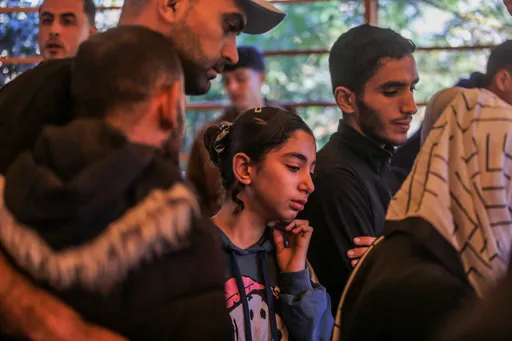
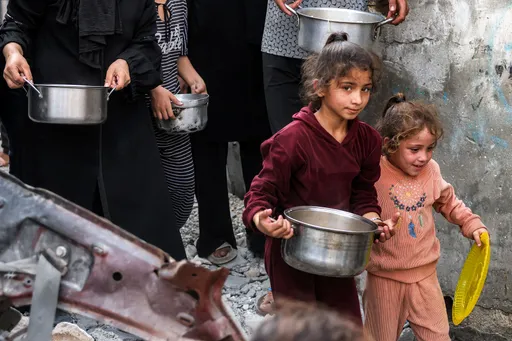
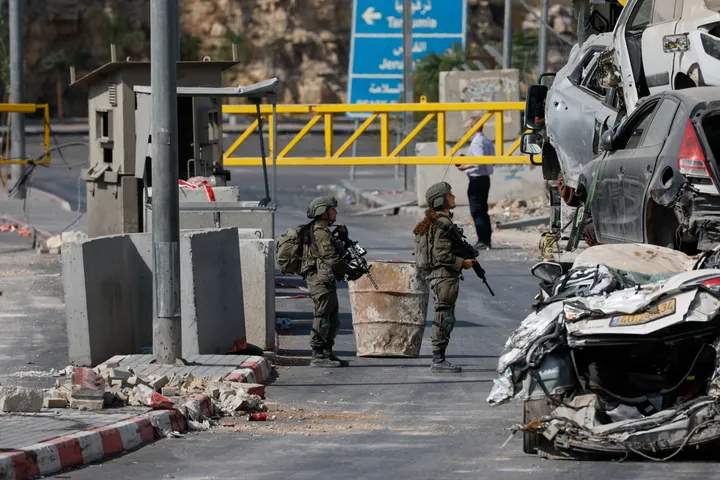
This year’s anniversary comes as Palestinians face what officials describe as one of the most severe periods since the war, with Israel continuing military offensives in Gaza and expanding military and illegal settlement activity in the occupied West Bank.
Since October 2023, Israel’s genocidal war on Gaza has killed tens of thousands of Palestinians and caused widespread destruction across the enclave, according to Palestinian authorities.
In the occupied West Bank, 1,168 Palestinians have been killed, 12,666 injured, around 23,000 arrested, and 33,000 displaced since October 2023, according to the Palestinian government’s media office.
Israel has also carried out a large-scale military assault in Lebanon since March 2, killing 3,516 people and injuring 10,674 others, according to Lebanese official figures.
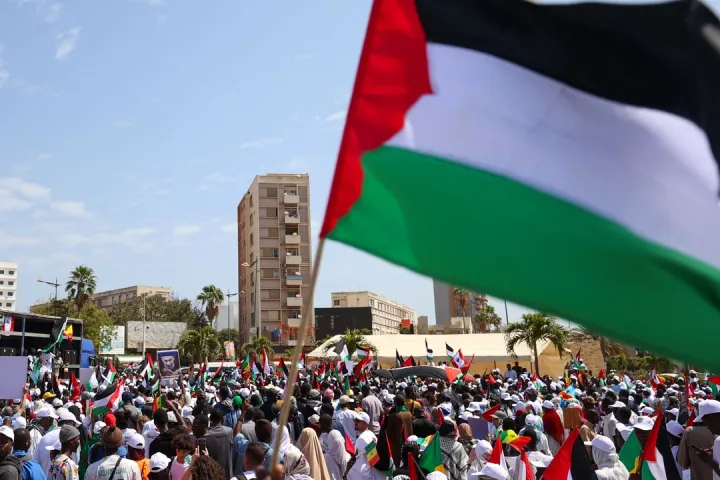
The war began on June 5, 1967, when Israel launched surprise air strikes against Egypt before fighting expanded to other Arab fronts. The war ended six days later with Israel occupying the West Bank, Gaza, Sinai Peninsula, and Golan Heights.
Although Israel later withdrew from Sinai under the 1979 Egypt-Israel peace treaty, it continues to occupy the West Bank and the Golan Heights, while East Jerusalem was annexed in a move not recognised internationally.
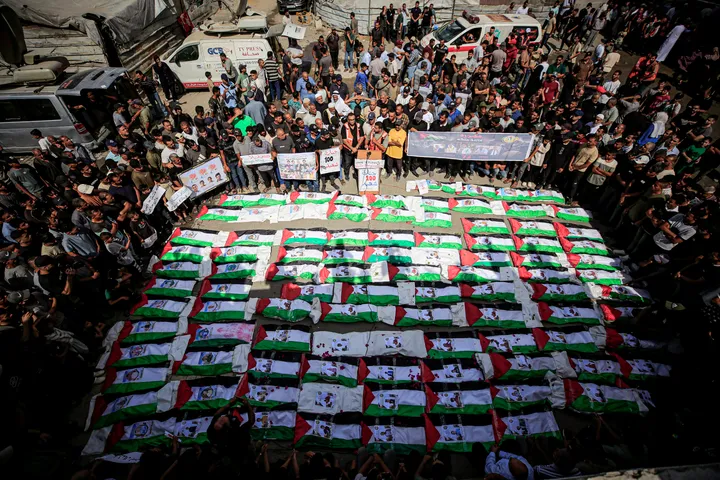
The war displaced an estimated 300,000 Palestinians from the occupied West Bank and Gaza and marked the beginning of a large-scale illegal Israeli settlement project in the occupied territories.
According to the Palestinian Central Bureau of Statistics, there were 645 illegal Israeli settlement sites and military bases in the occupied West Bank by the end of 2025, including 151 settlements and 350 outposts. The occupiers' population reached 778,567 by the end of 2024.
Wasel Abu Yousef, a member of the Palestine Liberation Organisation’s Executive Committee, told Anadolu that this year’s anniversary comes amid what he described as a comprehensive Israeli offensive against Palestinians.
“The June 1967 war represented another stage in the displacement of Palestinians and the confiscation of their land after the 1948 Nakba,” Abu Yousef said.
He argued that Israeli policies since 1967 have focused on illegal settlement expansion, land confiscation, and the imposition of new realities on the ground, while failing to break Palestinian determination to pursue national rights.
Abu Yousef said Palestinians now face unprecedented dangers because of the war in Gaza, escalating violence in the occupied West Bank, and continued efforts to undermine the prospects for an independent Palestinian state with East Jerusalem as its capital.
He added that the annual commemoration of both the Nakba and the Naksa reflects the failure of attempts to erase Palestinian national identity despite decades of war and occupation.