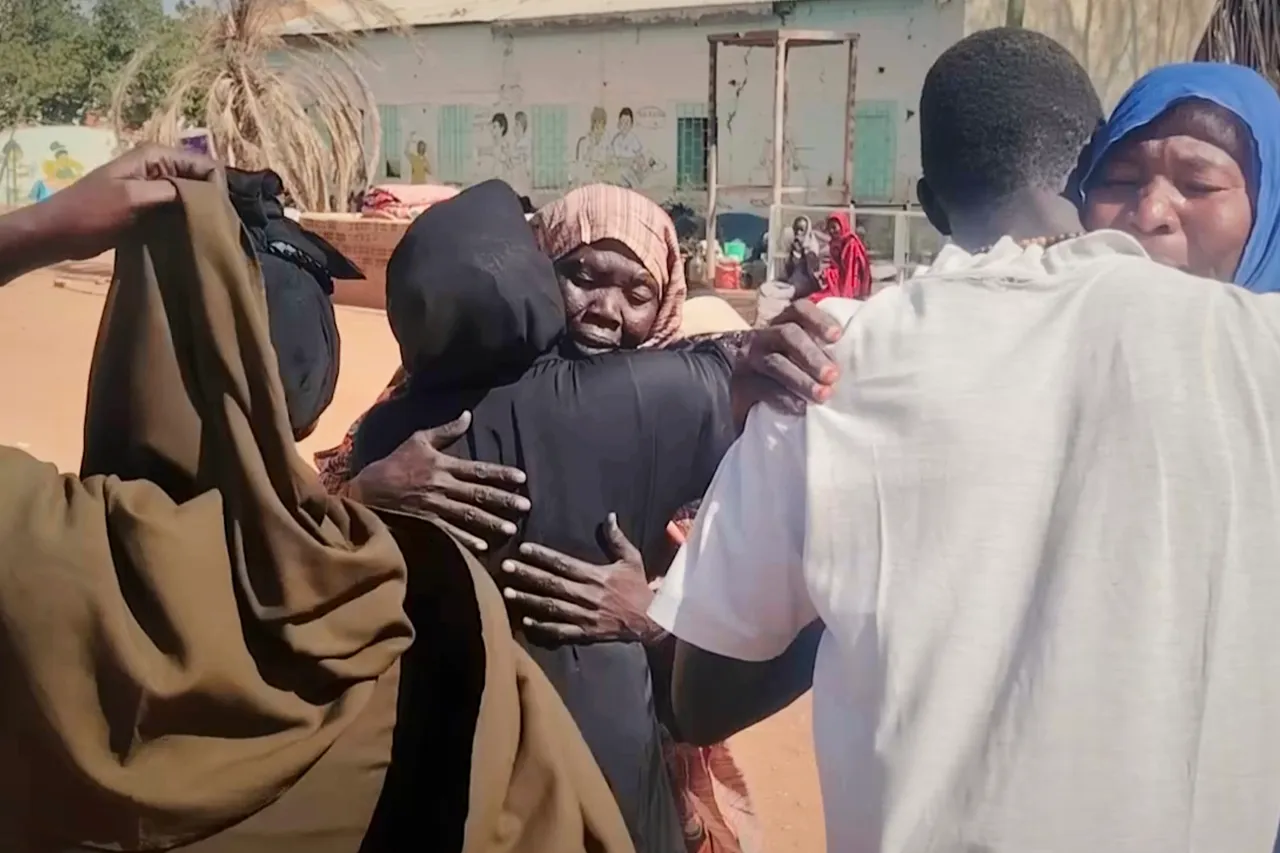
Enas Arbab fled Sudan's western region of Darfur after her hometown fell to paramilitary forces, taking only her year-old son with her and the memory of her father, who was killed, she said, simply for working at a charity kitchen serving people displaced by the fighting.
The Rapid Support Forces — or RSF, a paramilitary group that has been at war with the Sudanese army since April 2023 — had laid siege on Al Fasher in the western Darfur region, starving people out before it overran the city.
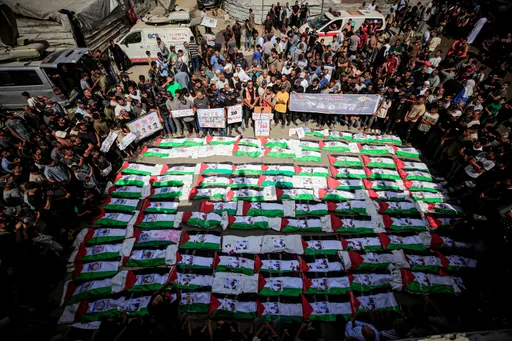
UN officials say several thousand civilians were killed in the RSF takeover of Al Fasher last October. Only 40 percent of the city’s 260,000 residents managed to flee the onslaught, thousands of whom were wounded, the officials said. The fate of the rest remains unknown.
During the fighting, Arbab says RSF militias took her father, Mohamed ِArbab, from their home after beating him in front of the family, and demanded a ransom. When the family couldn't pay, they told them they had killed him, she says. To this day, the family doesn't know where his body is.
When her husband disappeared a month later, Enas Arbab decided to flee north, to Egypt. “We couldn’t stay in Al Fasher," she said. "It was no longer safe and there was no food or water.”
Her father was one of more than 100 charity kitchen workers who have been killed since the war began, according to workers who spoke with The Associated Press and the Aid Workers Security database, a group that tracks major incidents around the world impacting aid workers.
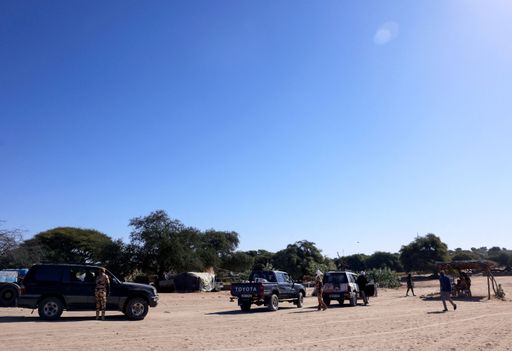
In areas of intense fighting — especially in Darfur — famine is spreading and food and basic supplies are scarce. The community-led public kitchens have become a lifeline but many working there have been abducted, robbed, arrested, beaten or killed.
Grim numbers in a brutal civil war
Volunteer Salah Semsaya with the Emergency Response Rooms — a group that emerged as a local initiative and now operates in 13 provinces across Sudan, with 26,000 volunteers — acknowledges the dangers faced by workers in charity kitchens.
The real number of workers killed is likely far higher than the estimated 100, he says, but the war has prevented reliable data collection and record-keeping.


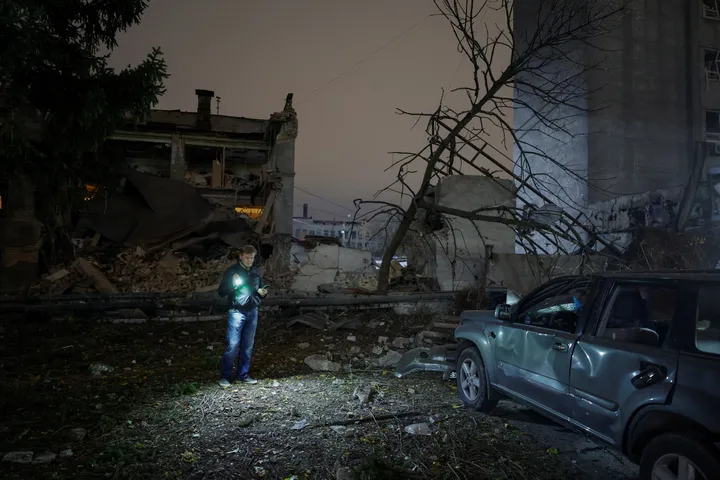


Semsaya shared records showing that 57 percent of the documented killings of charity kitchen workers occurred in Khartoum, mainly while the Sudanese capital was under RSF control, before the army retook it last March. At least 21 percent of the killings were in Darfur.
More than 50 of those killed in Khartoum worked with his group, Semsaya said.
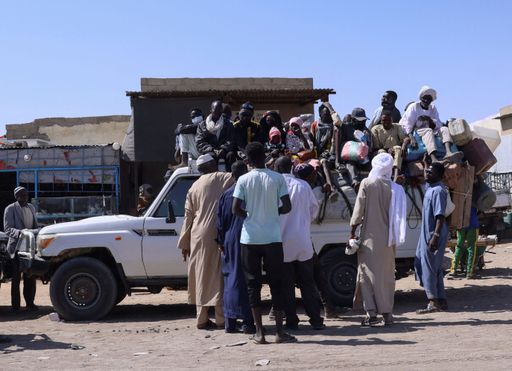
Sudan’s civil war erupted after tensions between the army and the RSF escalated into fighting that began in Khartoum and spread nationwide, killing thousands and triggering mass displacement, disease outbreaks and severe food insecurity.
Aid workers were frequently targeted.
Dan Teng’o, communications chief at the UN office for humanitarian affairs, says it's unclear whether charity kitchen workers are targeted because of their work or because of their perceived affiliation with one side or other in the war.
The kitchen workers are prominent in their communities because of the work they do, making them obvious targets, activists say.
Ransom demands typically range from $2,000 to $5,000, often rising once families make initial payments.
“A clear deterioration in the security context ... has significantly affected local communities, including volunteers supporting community kitchens,” Teng’o said.