 Kazim Alam
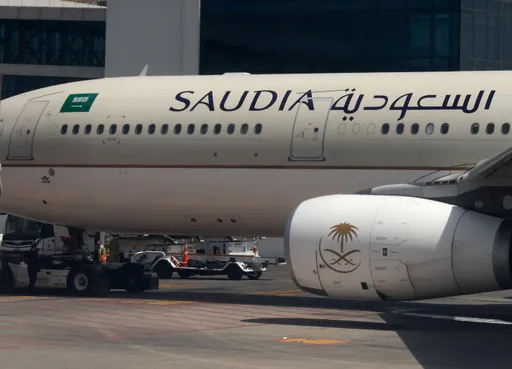
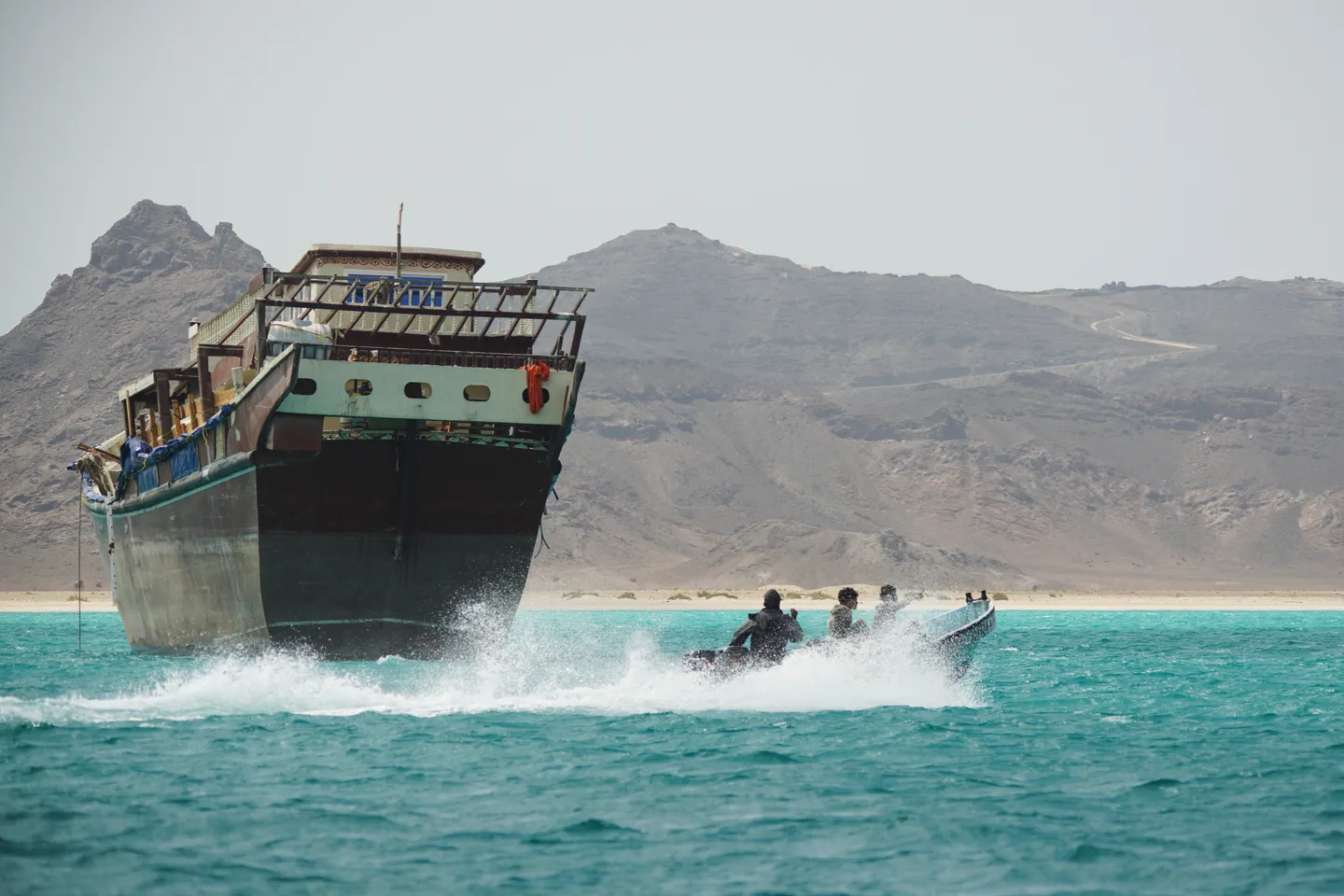
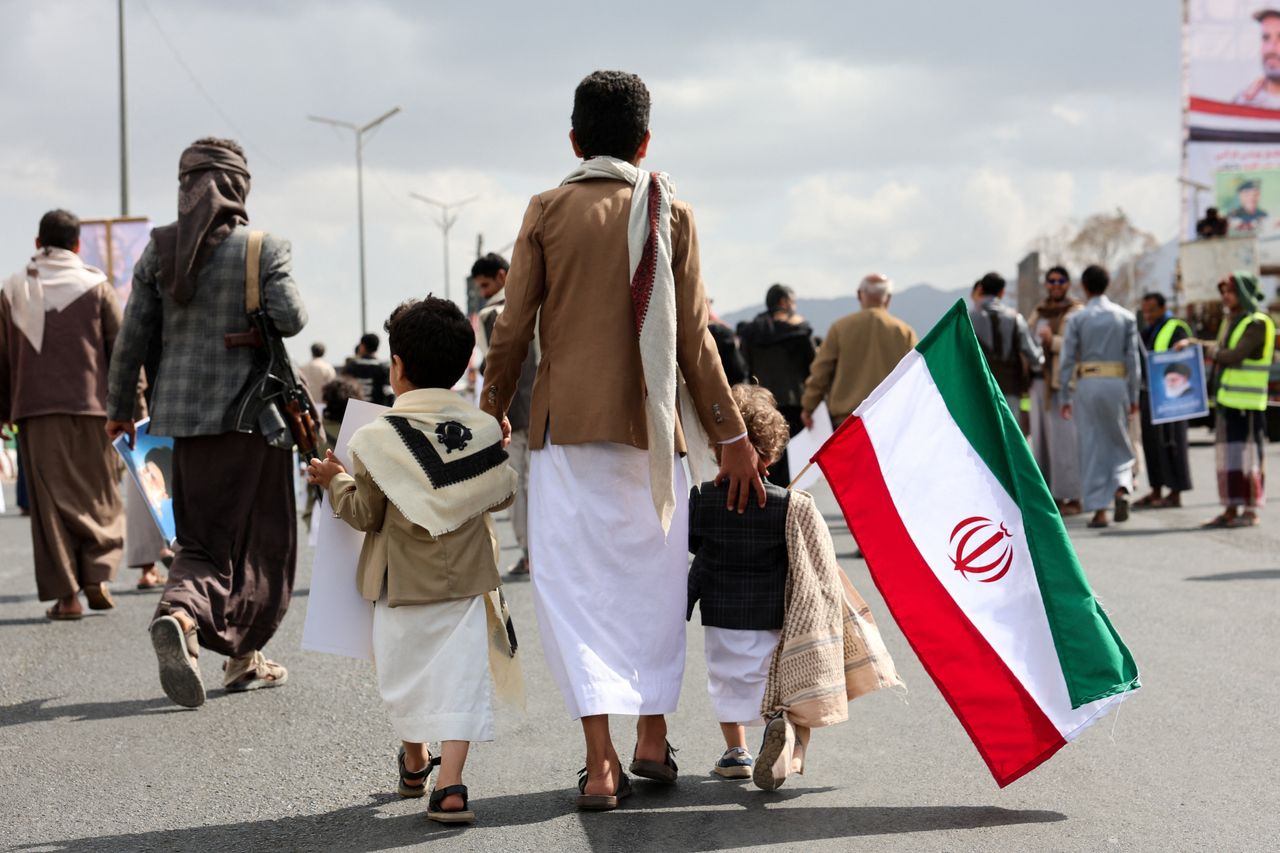
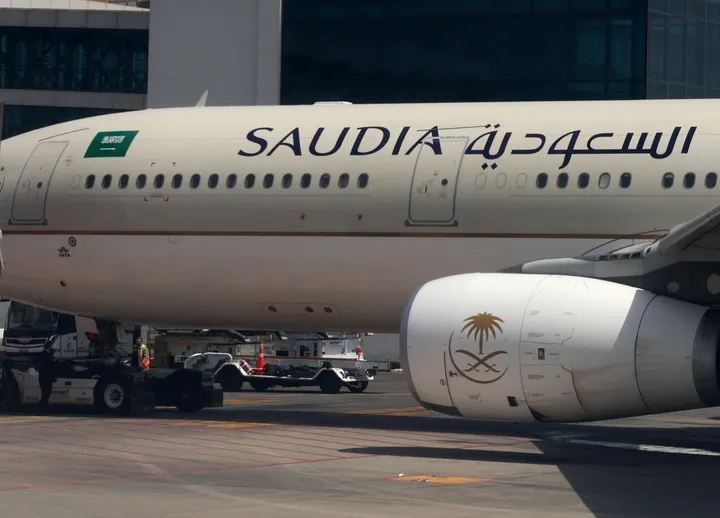
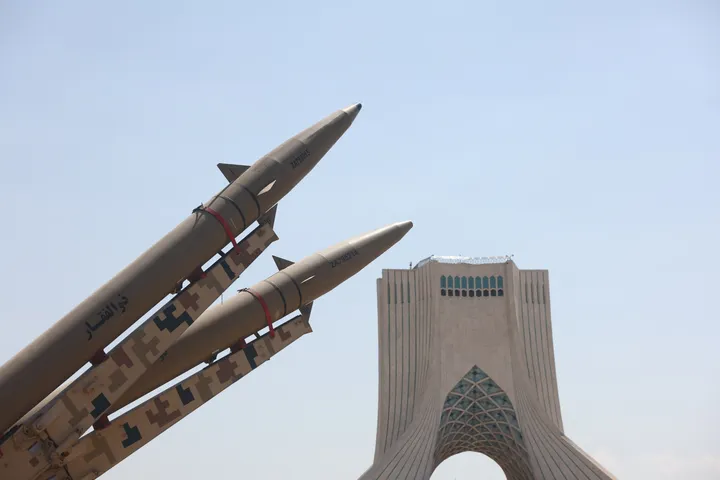
Yemen’s Houthis, one of Tehran’s allies in the so-called Axis of Resistance, have announced a maritime embargo targeting mainly oil tankers originating from Saudi Arabia.
The Houthis have controlled Yemen’s western ports for over a decade and have a proven record of disrupting maritime traffic passing through the Bab al Mandeb Strait, the entry point to the Red Sea.
As a major maritime trade route that cuts the distance between Asia and Europe by half, the Red Sea handles 30 percent of global seaborne container trade.
The move by the Houthis comes days after Tehran asked the group to close the Red Sea route used by Saudi oil shipments if the US continued its strikes on Iranian infrastructure.
Its blockade by the Houthis will exacerbate the global energy crisis as the ongoing US-Iran war has already suspended oil and gas shipments through the Strait of Hormuz, another major maritime route.
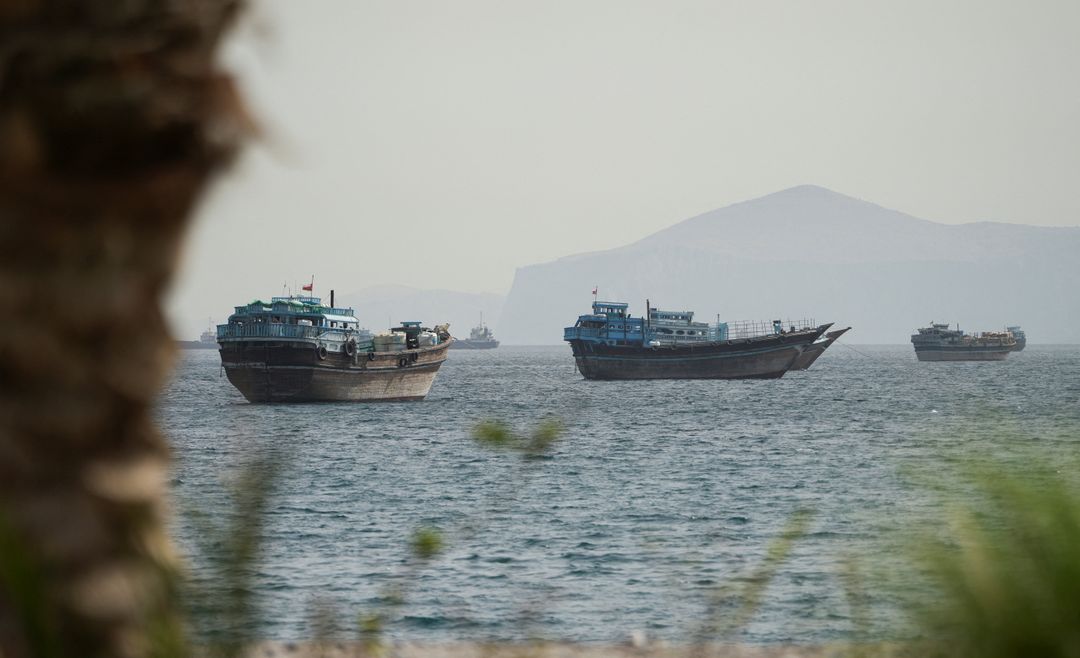
The immediate US goal in its war against Tehran is to take back control of Hormuz, the narrow waterway between Oman and Tehran that handled roughly one-fifth of global energy supplies before the war.
The simultaneous suspension of two of the main global energy routes has raised questions over potential direct US military action against Houthi targets very soon.
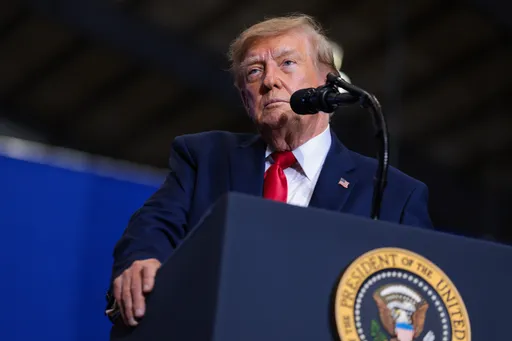
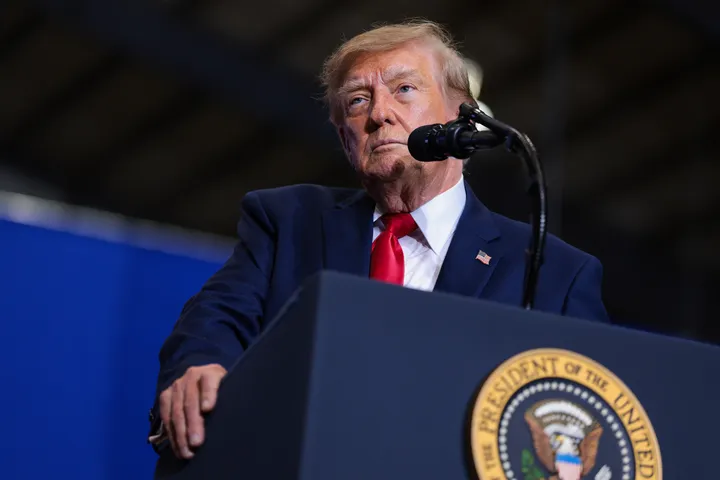
With US President Donald Trump vowing to “take care of business” if Iran-aligned Houthis join the fray, analysts say Yemen may become the next major theatre in the broader US-Iran war.
Kaan Devecioglu, North and East African Studies Director at the Ankara-based Center for Middle Eastern Studies (ORSAM), says the likelihood of direct US military action against Houthi targets has gone up.
However, Washington is expected to avoid a “large-scale intervention”, he says.
“Instead, the US will likely continue its strategy of calibrated military pressure through precision air strikes against missile launch sites, drone infrastructure, command-and-control facilities, and logistics networks,” he tells TRT World.
Naval deployments will remain central to protecting maritime trade, he says.
Meanwhile, the US is likely to strengthen intelligence sharing, missile defence and logistical support for regional partners, such as Saudi Arabia and other Gulf states, he adds.
“Washington’s objective is not to reopen the Yemen war, but to degrade the Houthis’ ability to threaten regional shipping and US interests, while minimising the risk of becoming trapped in another prolonged Middle Eastern conflict,” Devecioglu says.
A matter of strategic sustainability
Joze Pelayo, associate director with the Scowcroft Middle East Security Initiative at the Atlantic Council, says the likelihood of US action in Yemen is “high and rising”.
It is “possibly within days” if the Houthis enforce a blockade against commercial vessels to dent Saudi Arabia’s oil exports, he tells TRT World.
“The 2025 campaign against the Houthis would likely repeat: mainly air and naval strikes against leadership, launch sites, and other key targets,” he says, while referring to the US air strikes against Houthi targets in January 2024 and March 2025.
“We are likely to see some sort of coordinated naval escort to go alongside the attacks,” he adds.
However, Pelayo notes that such attacks may be on hold while other diplomatic tracks are tested.
Any attack now can be viewed as opening another front against Iran – something that may undermine a 10-day ceasefire proposal reportedly under consideration by the warring parties.
The operational question of managing parallel theatres – the Red Sea and the Strait of Hormuz – is central to any US calculation.
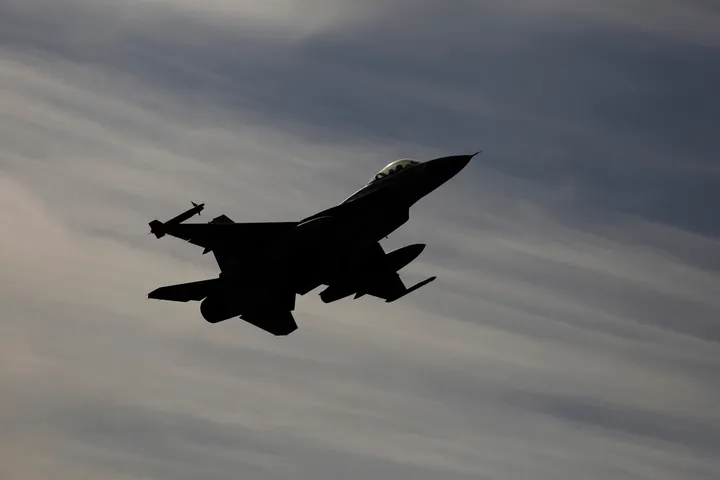

Devecioglu says the US military possesses sufficient naval and air capabilities to manage simultaneous operations in both areas.
But the real challenge the US faces is that of strategic sustainability, not military capacity, he insists.
Maintaining two active maritime security theatres “significantly increases” operational costs, stretches naval assets, and raises the risk of escalation through miscalculation, he says.
Therefore, the Red Sea and the Strait of Hormuz should not be viewed as separate fronts.
“They form an interconnected maritime security system linking the Mediterranean, Bab al Mandeb, the Gulf of Aden, and the Gulf,” he says.
Any escalation in one chokepoint inevitably affects shipping patterns, insurance costs, and military deployments across the entire regional trade architecture.
Even if Washington can manage both theatres militarily, an extended period of war will require greater burden-sharing with allies and regional partners, Devecioglu says.
Effect on Iran’s proxy strategy
A more direct intervention by the US in Yemen will also have a significant impact on Iran’s broader strategy in the region.
It will directly challenge Tehran’s forward deterrence strategy, which relies on empowering non-state partners to impose costs, while avoiding direct interstate confrontation, according to Devecioglu.
The Houthis have become “one of Tehran’s most strategically valuable partners” because they can threaten a critical maritime chokepoint “at relatively low cost”.
If sustained US operations significantly degrade Houthi capabilities, Iran may seek to compensate by increasing support for other proxy networks in Iraq, Syria, or elsewhere, thereby dispersing pressure across multiple fronts, he notes.
At the same time, Tehran is expected to avoid actions that can trigger “direct conventional conflict” with the US, favouring instead “calibrated escalation, asymmetric warfare, and deniable proxy operations” to preserve strategic ambiguity.
Pelayo agrees with the assessment that the Houthis remain Tehran’s “most functional proxy” after the war.
The group can still deliver escalation against the US, causing a “significant impact” on Red Sea traffic, freedom of navigation and the global economy.
Simultaneous strikes in Iran and against the Houthis will demonstrate to Tehran that activating another proxy will not dissuade the US from war despite high costs, he says.
At the same time, the blockade announced by the Houthis provides Iran with a “halfway strategy of escalation on call” instead of fully committing its proxy to enter the war, he observes.
The risks of escalation in the Red Sea remain substantial, particularly for Saudi Arabia, which is completely reliant on this export corridor after the closure of Hormuz by Iran.
Pelayo warns that further attacks can significantly affect Saudi Arabia’s workaround scenario to use the Red Sea, impacting energy prices with no real land alternatives in the short term to move oil.
“Further attacks on Saudi infrastructure would stretch Riyadh and significantly impact the country’s stability,” he says.