 Kazim Alam
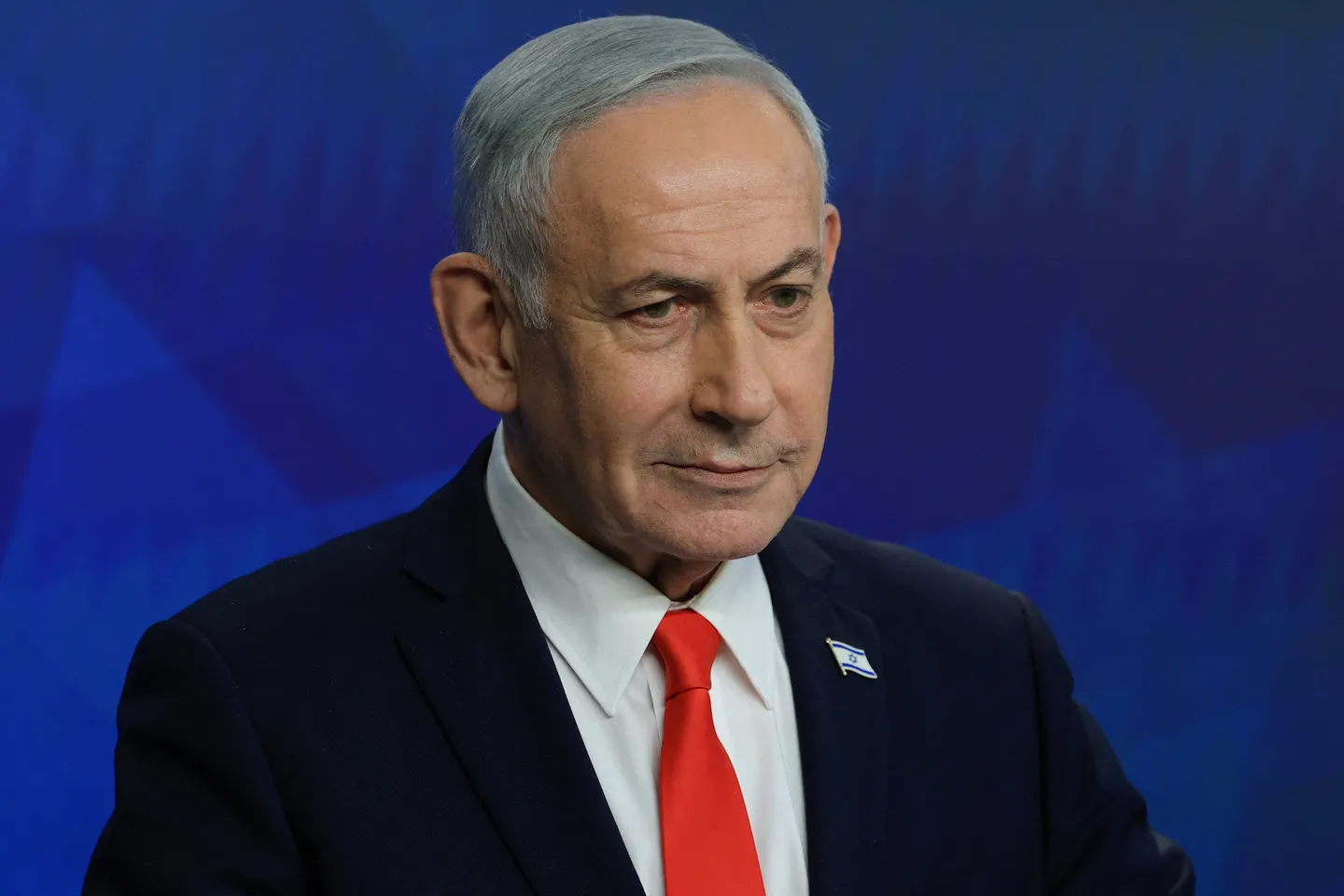
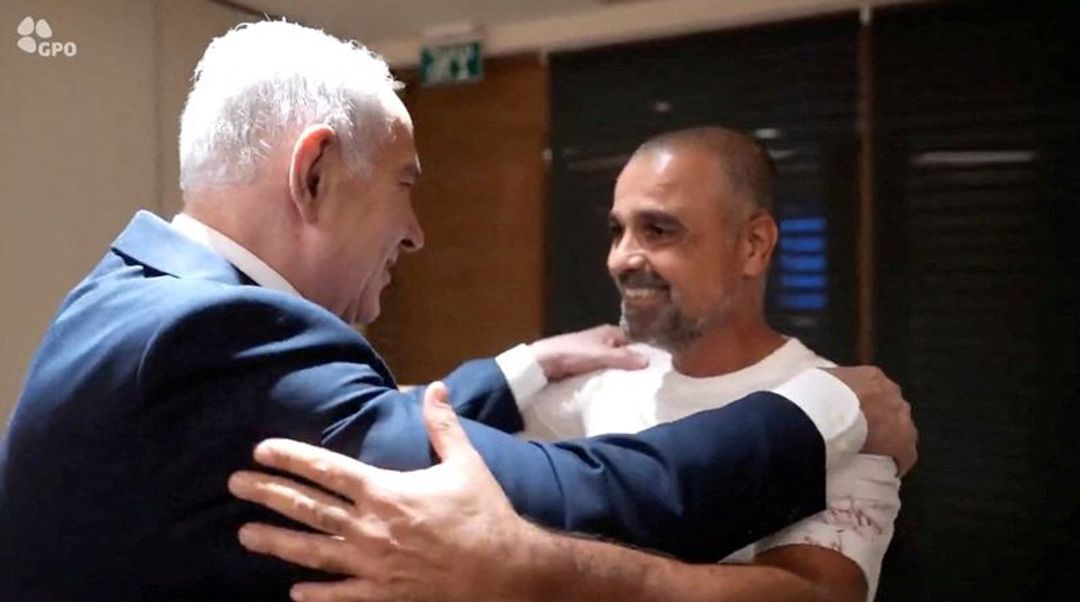
Benjamin Netanyahu, the longest-serving prime minister of Israel, has been pushing the idea of establishing a “broad national government” after the October 27 general election.
Analysts say a so-called unity government might be the only way Netanyahu can stay in power while stalling progress on his drawn-out corruption trials.
Netanyahu’s popularity has suffered since the October 7, 2023 Hamas-led blitz – – an attack he could have prevented by acting on intelligence tips in a timely manner – and the prolonged wars he has launched on multiple fronts.
Pre-election public polls show Netanyahu’s right-wing bloc tied with the Zionist opposition bloc led by Gadi Eisenkot.
Each bloc is projected to win 51 seats. It means both Jewish blocs are 10 seats short of the 61-seat simple majority required in the Knesset to form a government.
In other words, neither of the two main Jewish blocs can form a government without support from Arab parties – typically backed by Palestinian citizens of Israel comprising one-fifth of the country’s population of 10.3 million.
Despite legal challenges mounted by Zionist groups to keep them from taking part in the election, Arab parties are projected to win roughly 14 seats, electoral strength that can play a decisive role in government formation.
But nearly all Jewish parties have ruled out forming a coalition government with the help of Arab parties, which they consider radioactive, especially after the Hamas-led blitz into Israel on October 7, 2023.
Opposition figures such as Naftali Bennett and Avigdor Liberman have already announced plans to pass term limits and ban defendants in criminal cases from serving as prime minister, moves that would eliminate any chance of Netanyahu continuing as prime minister.
Tugce Ersoy-Ceylan, a professor of international relations at Izmir Katip Celebi University, tells TRT World that a national unity government can certainly ensure Netanyahu's political survival given the current parliamentary arithmetic.
“While such a government might be presented as a solution to Israel's political instability, it could also allow Netanyahu to retain power without addressing the underlying institutional crisis,” she says.
Ersoy-Ceylan notes that a unity arrangement would not automatically suspend Netanyahu’s corruption trials. However, staying in office could give him “greater political leverage” to seek procedural delays.
“Therefore, political survival is a plausible motivation, but the outcome of his legal proceedings cannot be predicted with certainty,” she says.
The cases against Netanyahu, indictments for bribery, fraud, and breach of trust, have faced years-long delays for so-called security and diplomatic reasons.
Gokhan Cinkara, an academic and director of Necmettin Erbakan University Global and Regional Studies Application and Research Centre, says Netanyahu is preparing to use every political manoeuvre to stay in power.
“One such tactic is to create alarm in order to fracture the opposition bloc,” he tells TRT World.
The Israeli occupation forces said on October 23 that it had killed two Palestinians following a reported shooting attack near the occupied West Bank’s Hebron.
The incident, which happened three days before the general election, revived the security concerns, leading to a call by far-right National Security Minister Itamar Ben Gvir to dismantle the Palestinian Authority (PA).
So far, no evidence suggests the PA, which has only partial control in parts of the occupied West Bank, was involved in the incident.
Cinkara says the Jewish opposition cannot form the government alone.
“One way or another, it will need the support of Palestinian-Israeli political actors,” he says.
Nimrod Goren, president and founder of the Israeli Institute for Regional Foreign Policies, tells TRT World that Netanyahu would ideally like his current coalition to govern again.




“If that will not be the case – as polls indicate – a political stalemate, in which no side can establish a coalition and the current government stays as caretaker until another election in the spring, will also be a satisfactory model for him,” he says.
Goren acknowledges that Netanyahu may try to bring on board “one of the opposition parties”, even though none are currently willing to join hands with Likud.
Eisenkot has publicly rejected serving under Netanyahu even under a rotation agreement. Similarly, Liberman has insisted on a Zionist-only coalition and the so-called defendant law that would bar Netanyahu from the premiership.
Analysts say the idea of unity has gained currency of late precisely because of this deadlock. Netanyahu has pushed for it ostensibly to end the frequent “boycotts and political vetoes”.
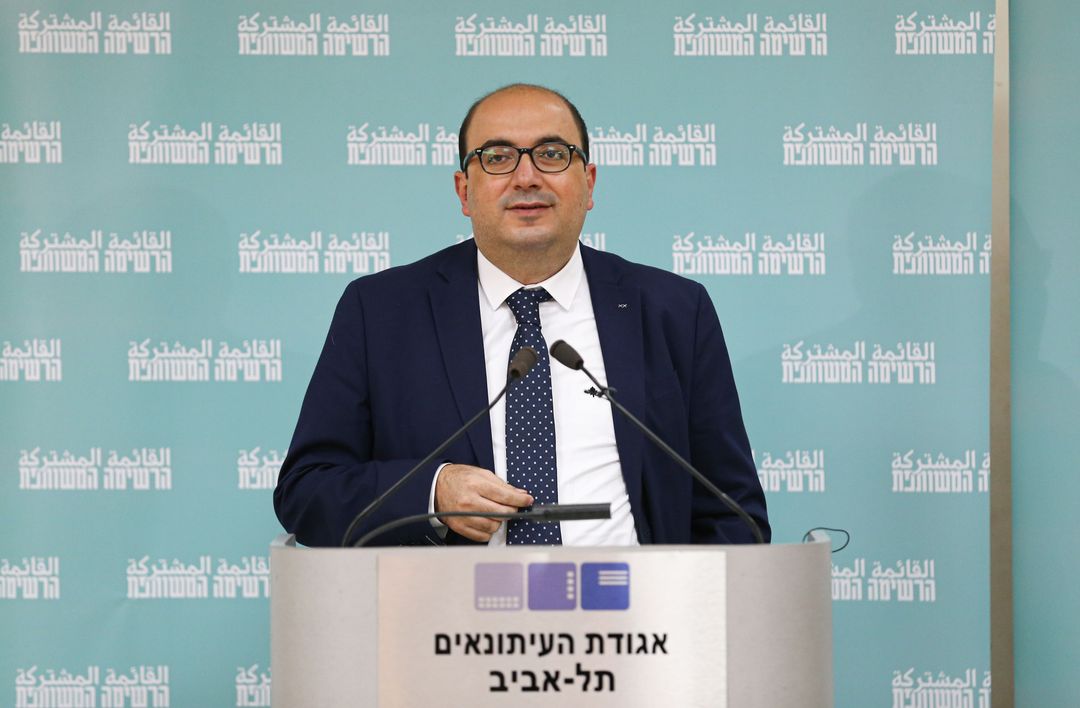
What about Palestinian-Israeli representation?
A central obstacle to a unity government remains the status of Arab parties.
Ersoy-Ceylan says Jewish blocs' reluctance to rely on them reflects both ideological divisions and electoral calculations.
“Most mainstream Jewish parties operate within a Zionist political framework and remain reluctant to grant Arab parties decisive influence over questions of national identity and security,” she says.
Opposition leaders also fear alienating Zionist voters. However, cooperation is still possible, she says, citing Palestinian Israeli politician Mansour Abbas’s Ra’am party, which joined the Bennett-Lapid coalition government in 2021.
The deeper problem is that even though Palestinian citizens of Israel are formally represented in the Knesset, their parties are frequently treated as “illegitimate coalition partners”, she says.
This creates a structural limitation on political inclusion and democratic representation, she adds.
Cinkara attributes much of the current exclusion of Arab parties to Netanyahu’s own framing of the issue.
“Netanyahu has succeeded in portraying Palestinian Israeli political actors in Israel as outsiders and a threat to the system – and more and more people have bought into that narrative,” he says.
He says the opposition is unlikely to exclude Arab parties after the election, as they are expected to win “close to 13 seats” in the Knesset.
Goren says the opposition will need “some sort of reliance” on the Arab parties to govern.
“Hopefully, once the numbers are in following the election, all opposition parties will act responsible and enable this to happen,” he says.
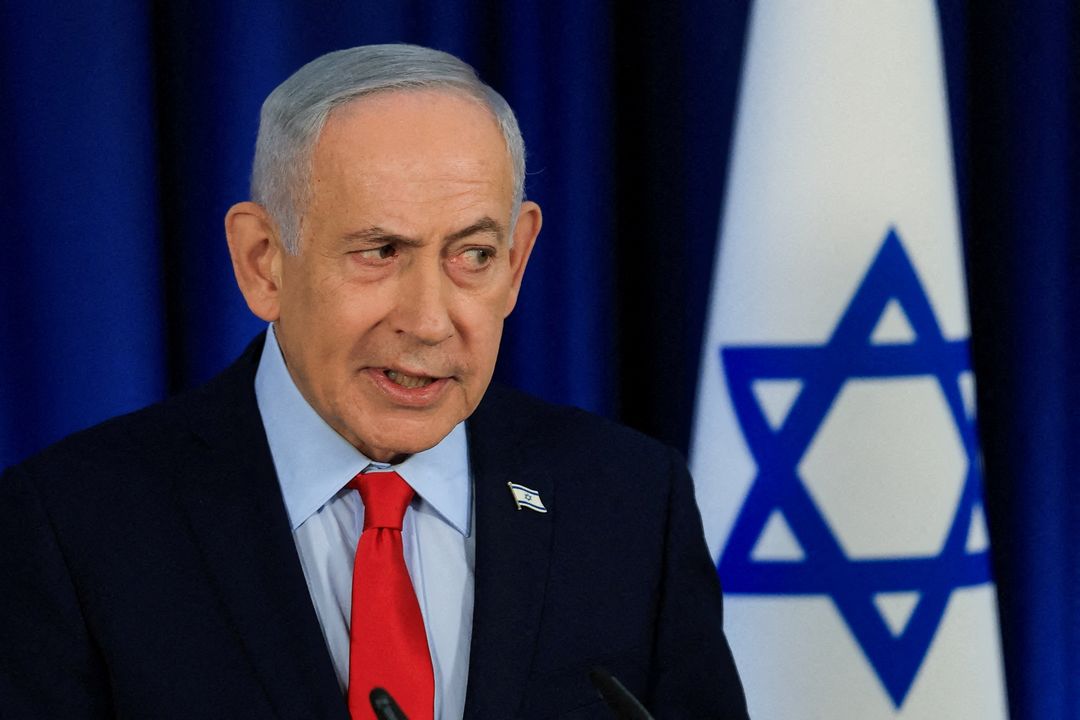
Experts say the issues of judicial independence and equal citizenship of Palestinian Israelis will bear the longer-term costs of Netanyahu’s deadlock strategy, which is centred around a “unity government” excluding non-Jewish citizens.
Ersoy-Ceylan says that Netanyahu’s repeated attempts to weaken judicial oversight risk normalising executive interference in the Israeli judiciary and undermining public confidence in democratic institutions.
The systematic delegitimisation of Palestinian Israelis means formal citizenship does not necessarily translate into equal political influence, she tells TRT World.
“Even a change of government would not automatically resolve this contradiction since the exclusion of Arab parties extends beyond Netanyahu's coalition.”