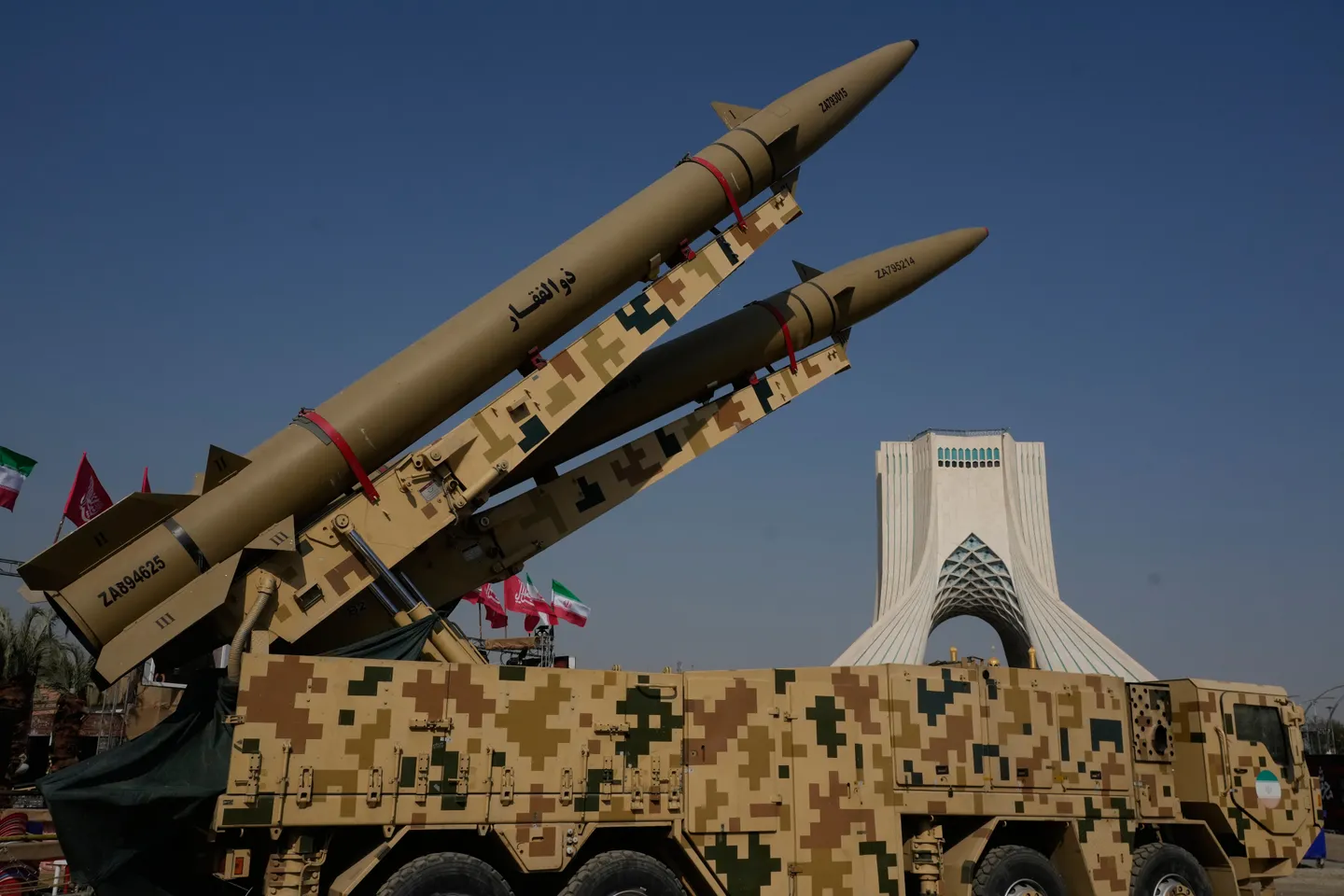
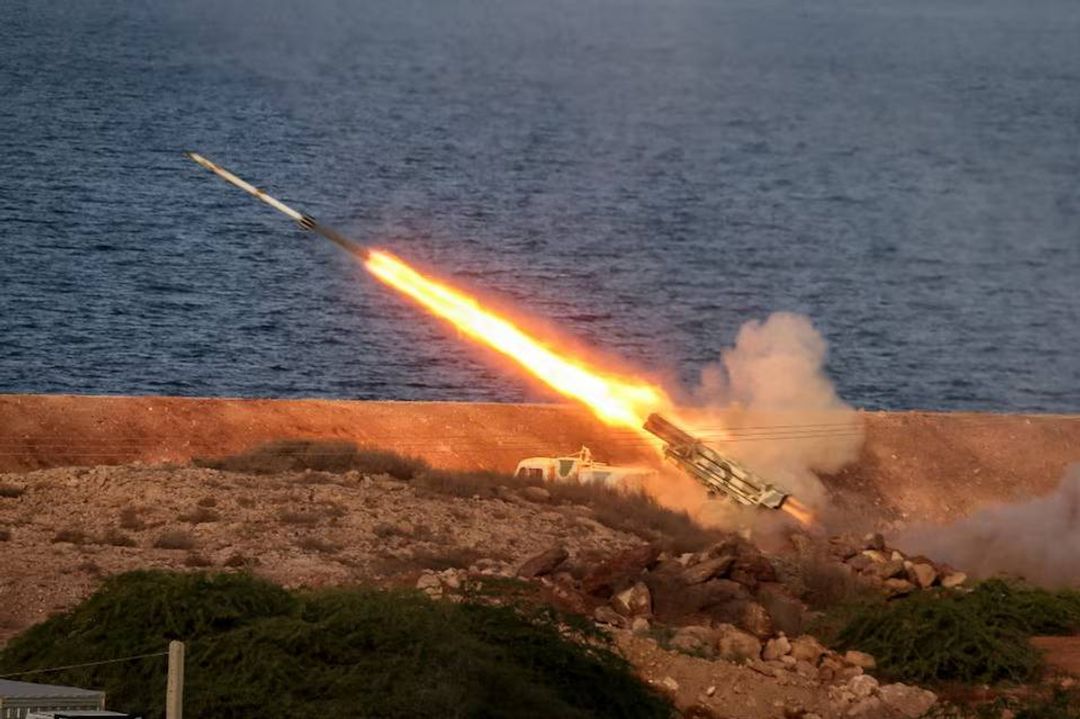
Iranian missile and drone strikes have caused "unprecedented damage" running into billions of dollars to US intelligence facilities and surveillance hardware across the Middle East, NBC News reported, citing four sources with knowledge of the matter.
The attacks damaged buildings, radar systems, and intelligence-gathering equipment used by the CIA and other US intelligence agencies, with the scale of destruction described as greater than any previously sustained by the American intelligence community.
According to sources, the strikes targeted several joint sites and equipment shared by intelligence agencies and the US military, prompting the US Congress to allocate dedicated emergency funding for reconstruction and replacement.
CIA stations and radar systems targeted
Among the intelligence-linked sites hit throughout the conflict were a CIA station in Riyadh, a facility in eastern Iraq, and sensitive radar and surveillance installations spread across the region, according to US and Gulf officials.
During the initial phase of the confrontation, Iranian strikes systematically targeted US air defence radar networks.
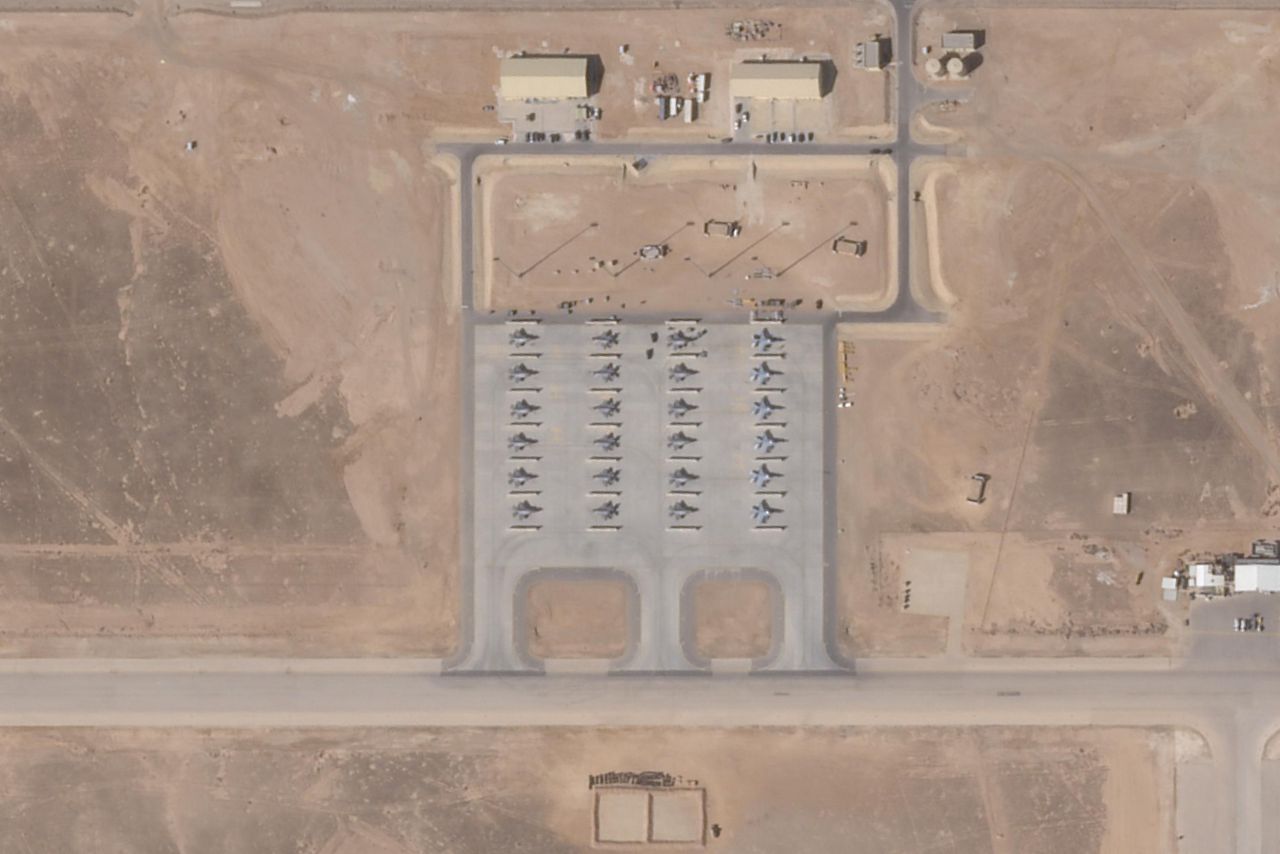
Satellite imagery and visual evidence revealed destruction and damage to advanced systems, including an AN/TPY-2 radar system in Jordan and an AN/FPS-12 phased-array radar in Qatar, as well as damage to installations across the United Arab Emirates, Bahrain, Kuwait, and Saudi Arabia.





The extensive damage has raised urgent questions within the US military and intelligence establishments regarding Washington's capability to defend its strategic assets across the region.
Stockpile depletion
The strikes have also placed a heavy burden on US air defence stockpiles.
A report published in July by the Centre for Strategic and International Studies (CSIS) estimated that between February and July, roughly 65 per cent of US Patriot interceptors were expended, whilst the inventory of THAAD ballistic missile interceptors fell by at least 38 per cent compared to pre-war levels.
Regional tensions escalated sharply after the US and Israel launched joint strikes on Iran in February, prompting Tehran to retaliate against US military bases and intelligence facilities in host nations across the Gulf.
Although Iran and the US signed a memorandum of understanding in mid-June, mediated by Pakistan, to halt hostilities, implementation has stalled amid ongoing disputes over the terms and maritime passage through the strategic Strait of Hormuz.