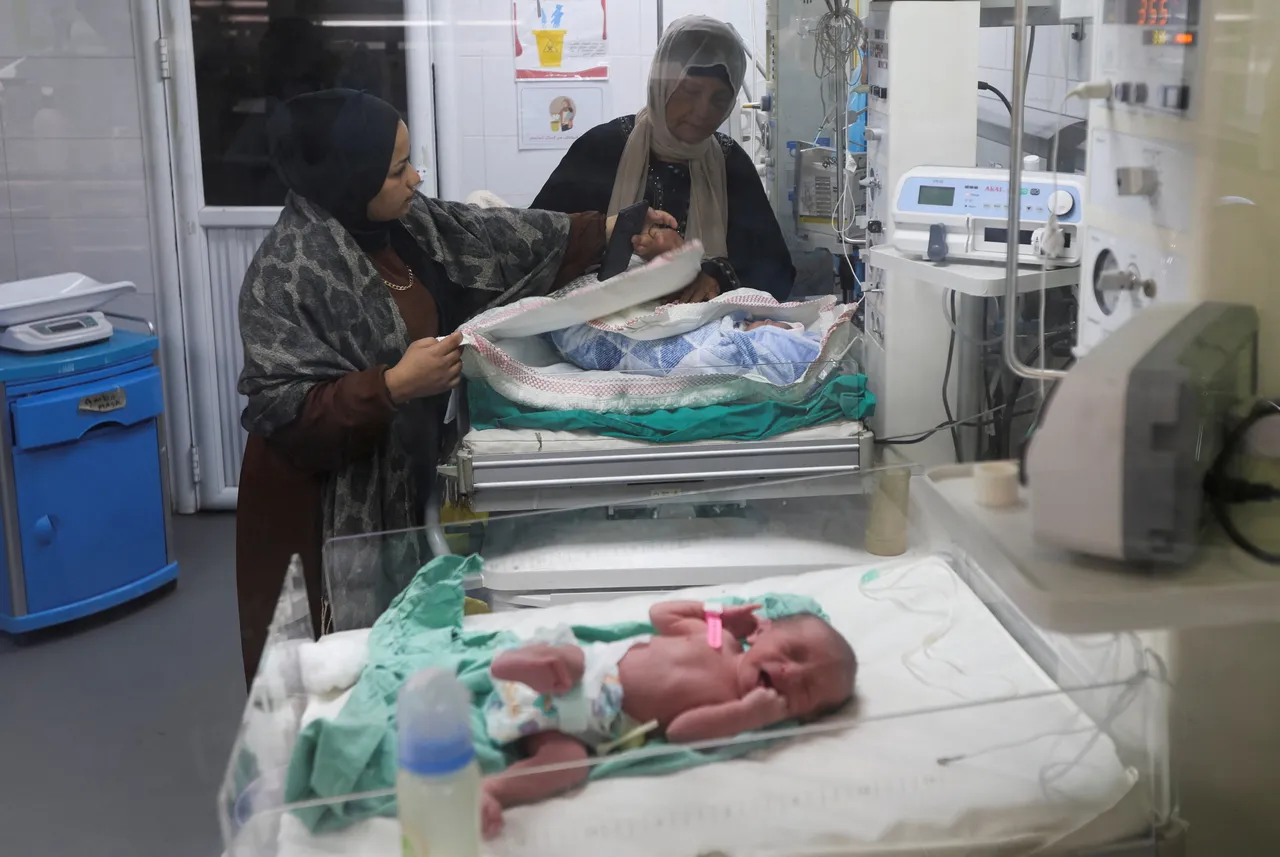
Gaza’s reproductive health indicators have deteriorated sharply, with rising miscarriages and falling birth rates pointing to a deep strain on the population, as healthcare services buckle under pressure, according to a top official.
Dr Muneer Alboursh, Director General of the Ministry of Health in Gaza, attributes the trend to ongoing violence, mass displacement, and the collapse of medical infrastructure.
Current health and demographic data point to an alarming trend, where the effects of the conflict extend beyond immediate casualties, affecting pregnancies and placing strain on reproductive health itself, with wider implications for survival and population continuity.
The miscarriage rate in Gaza has surged during April 2026 to 460 cases per thousand live births, a rate that exceeds global averages by more than three times.
The study indicates an absolute lack of the health, nutritional, and environmental conditions necessary to sustain normal pregnancies, caused by Israeli aggression and violations against the Palestinians in Gaza.

Current indicators show that these conditions have now pushed the miscarriage rate to over 500 cases per thousand live births.
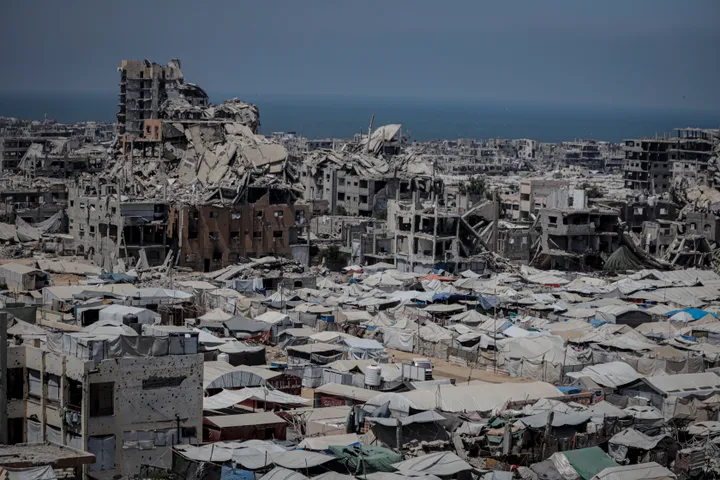







Data also shows that 57 percent of pregnant women suffer from anaemia, placing the region among those with the highest rates globally.
This situation has led to oxygenation deficits, depriving fetuses of essential growth elements and significantly increasing miscarriage risks, the study says.
Concurrently, Gaza has also witnessed an unprecedented drop in registered births.
The number of monthly births has plunged from 6,076 in November 2025 to just 2,004 in April 2026—a 67 percent decline in just a few months.
Malnutrition, contaminated water, food insecurity, chronic displacement, and sustained psychological stress have been compounded by the near-total collapse of maternal healthcare services.
The impact of Israel’s war on Gaza and the wider strain on public services indicate that the situation has moved beyond a health and humanitarian emergency into a threat to the reproductive future of Palestinians, according to the study.