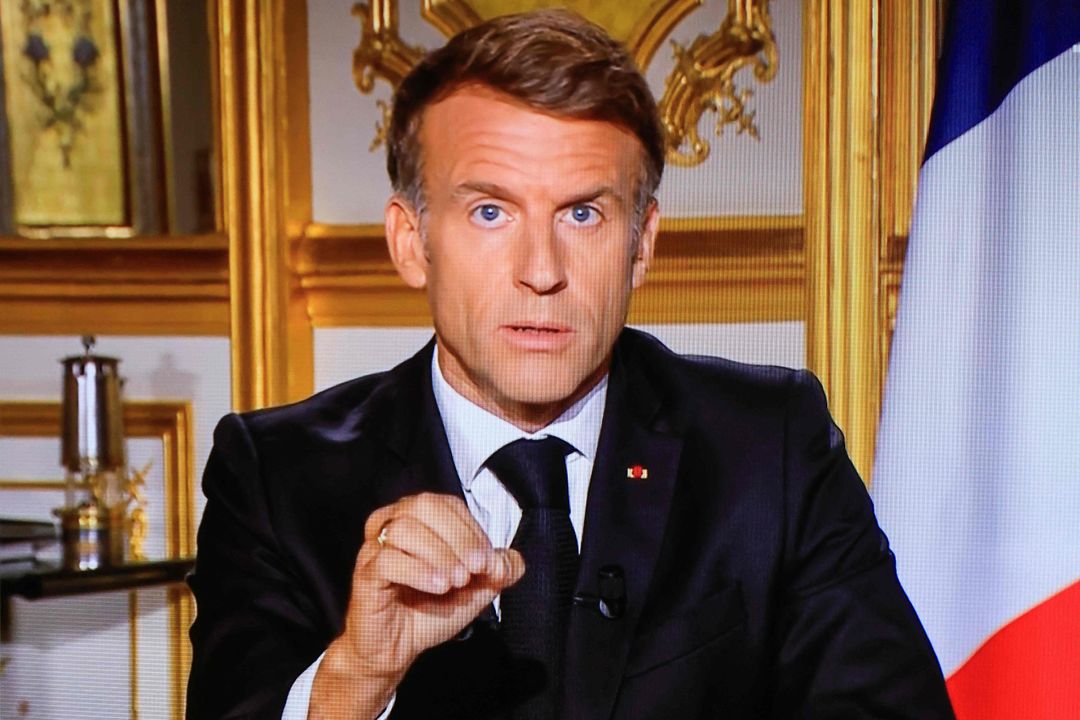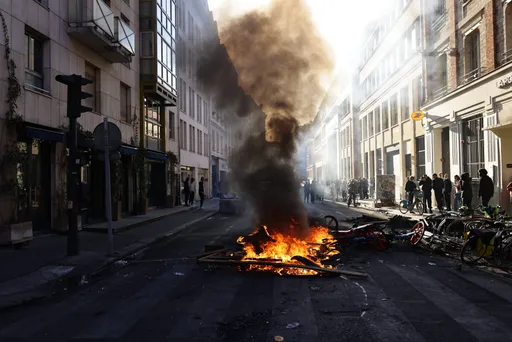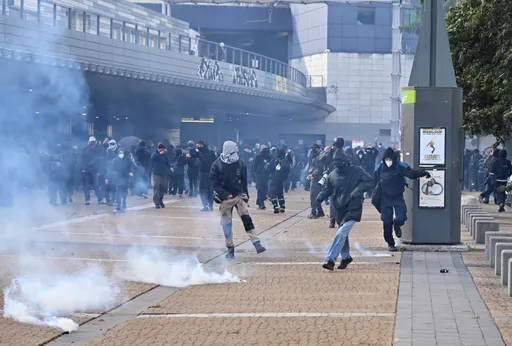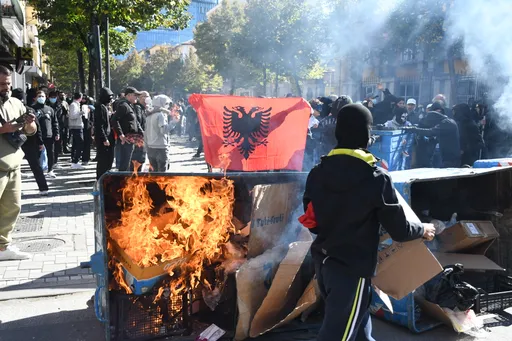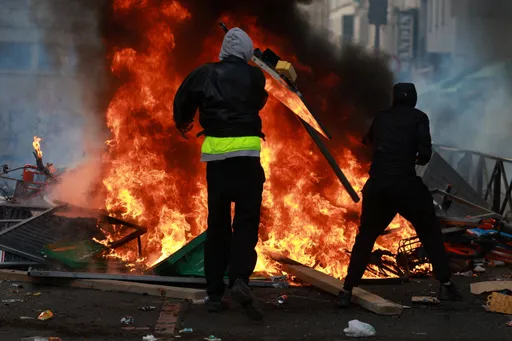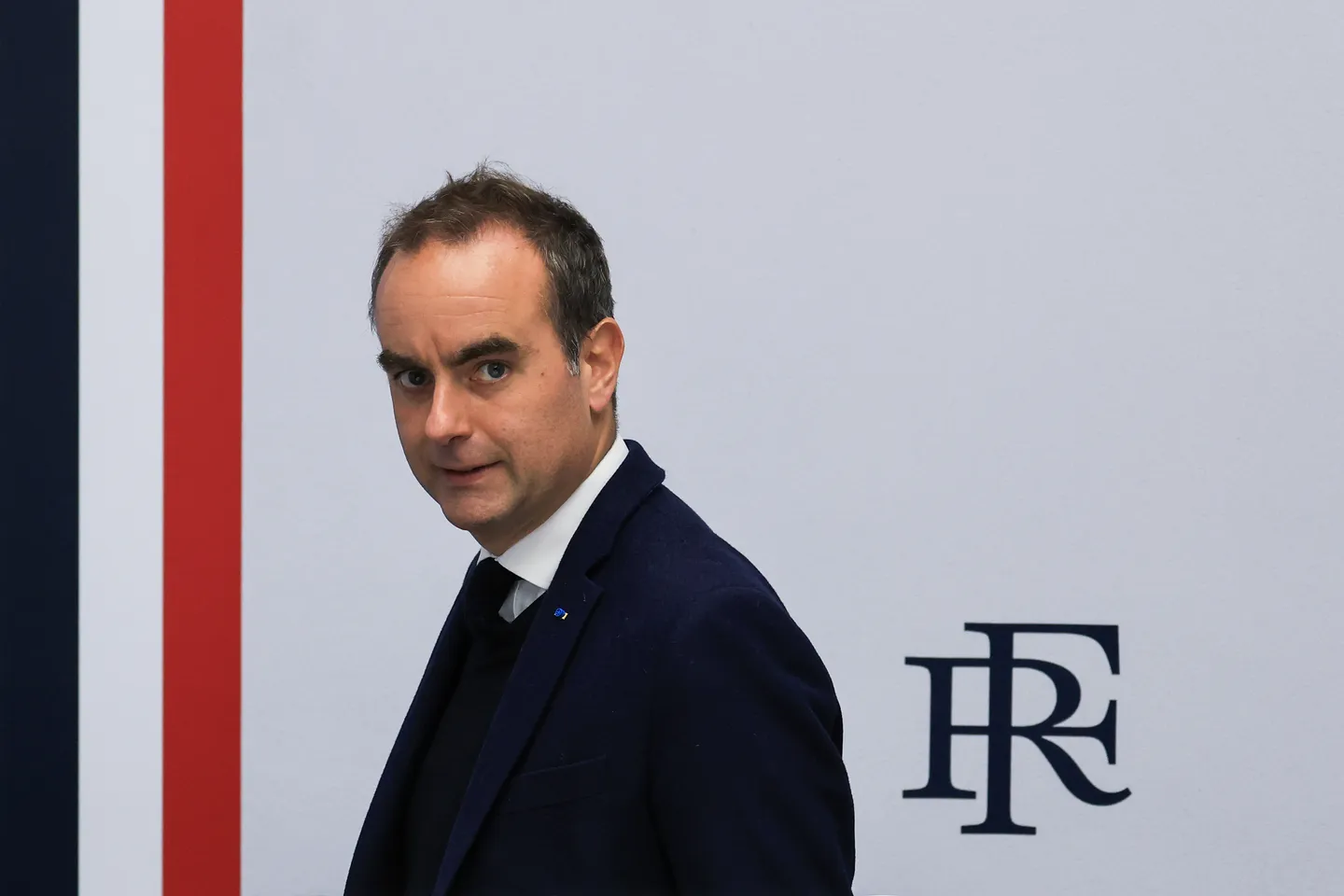
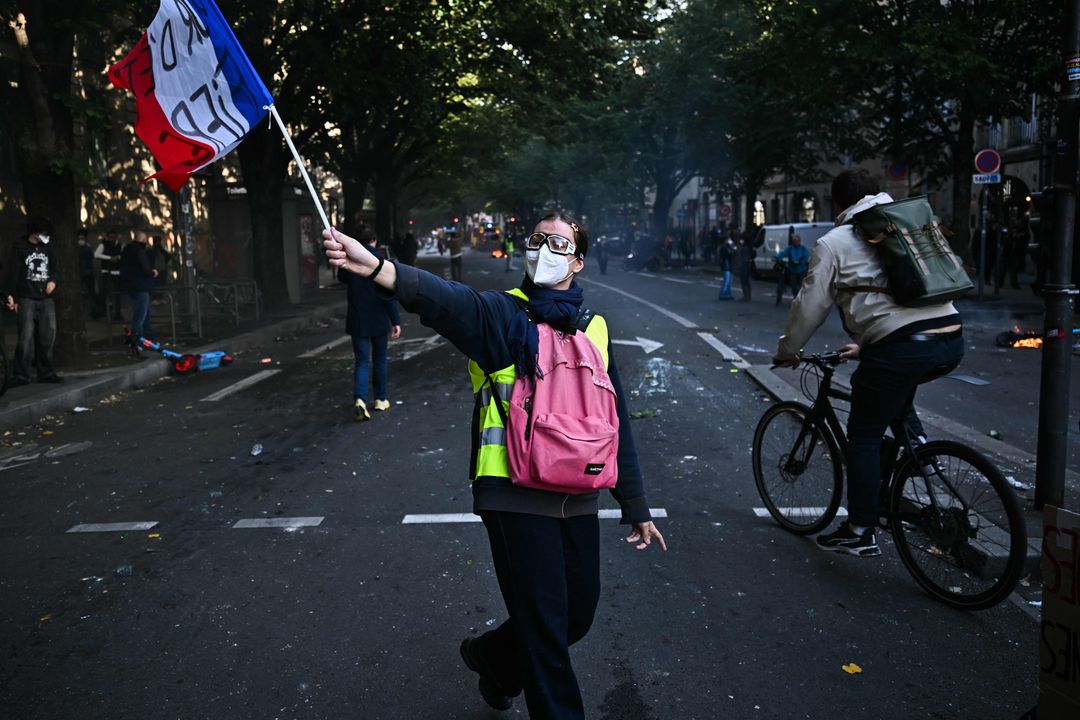
French Prime Minister Sebastien Lecornu said on Monday he had asked local authorities to impose partial curfews following violent protests and unrest across the country over the weekend.
Lecornu told reporters he was “fully resolved to restoring public order” and said a state of emergency could be declared if necessary, but that local curfews were “more appropriate” at this stage.
He did not specify which cities would impose curfews or what form the measures would take, but ruled out placing the whole of Paris under restrictions.
“These curfews must be local and partial. It is out of the question to put all of Paris under curfew,” he said.
Interior Minister Laurent Nunez said at the same news conference that there were no plans to cancel Tuesday evening’s football match between Paris Saint-Germain and Barcelona.
Mayors of France’s largest cities on Monday called on the government to explain what they described as inadequate security preparations, as the country dealt with the aftermath of weekend rioting and looting.
EU condemns violence


EU spokesman Markus Lammert said that the right to peaceful protest “must be protected” in France, while condemning arson, looting and attacks during the weekend as “unacceptable”.
“Those who demonstrate peacefully must not be conflated with those who commit violence,” Lammert said.
The European Commission is also in “close contact” with France’s ARCOM media regulator to ensure social media and video-sharing platforms enforce digital content rules against information manipulation and incitement to violence.
“When online platforms are becoming aware or have a suspicion of a criminal offence that may occur, they have to proactively enforce and inform national authorities,” EU spokesman Thomas Regnier said.
Regnier added that the commission was “ready to assist and to support the national authorities”.
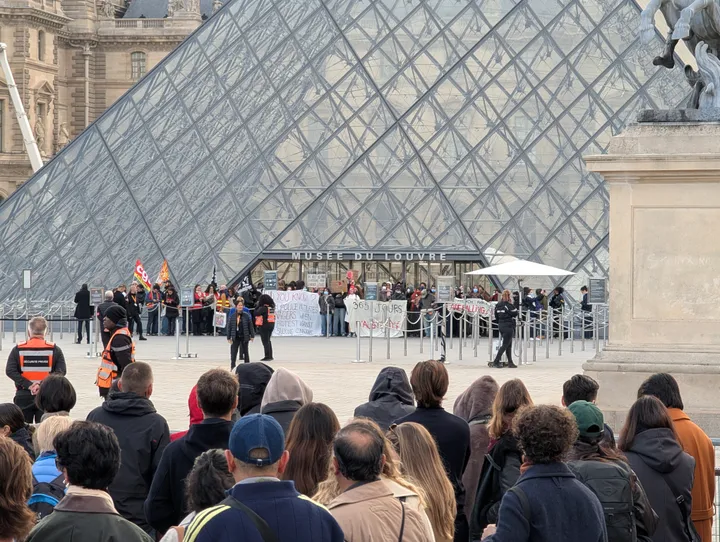
The unrest followed weeks of student demonstrations, some of which were accompanied by street violence. The protests have added to pressure on the government amid a weak economy and rising public debt, six months ahead of the next presidential election.