US President Donald Trump has said that Washington is in contact with the "right" Iranian interlocutors and that Tehran is eager to reach a deal to end the ongoing war.
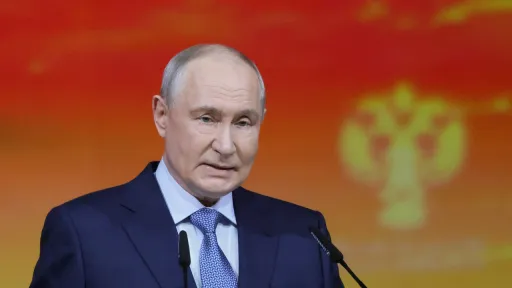
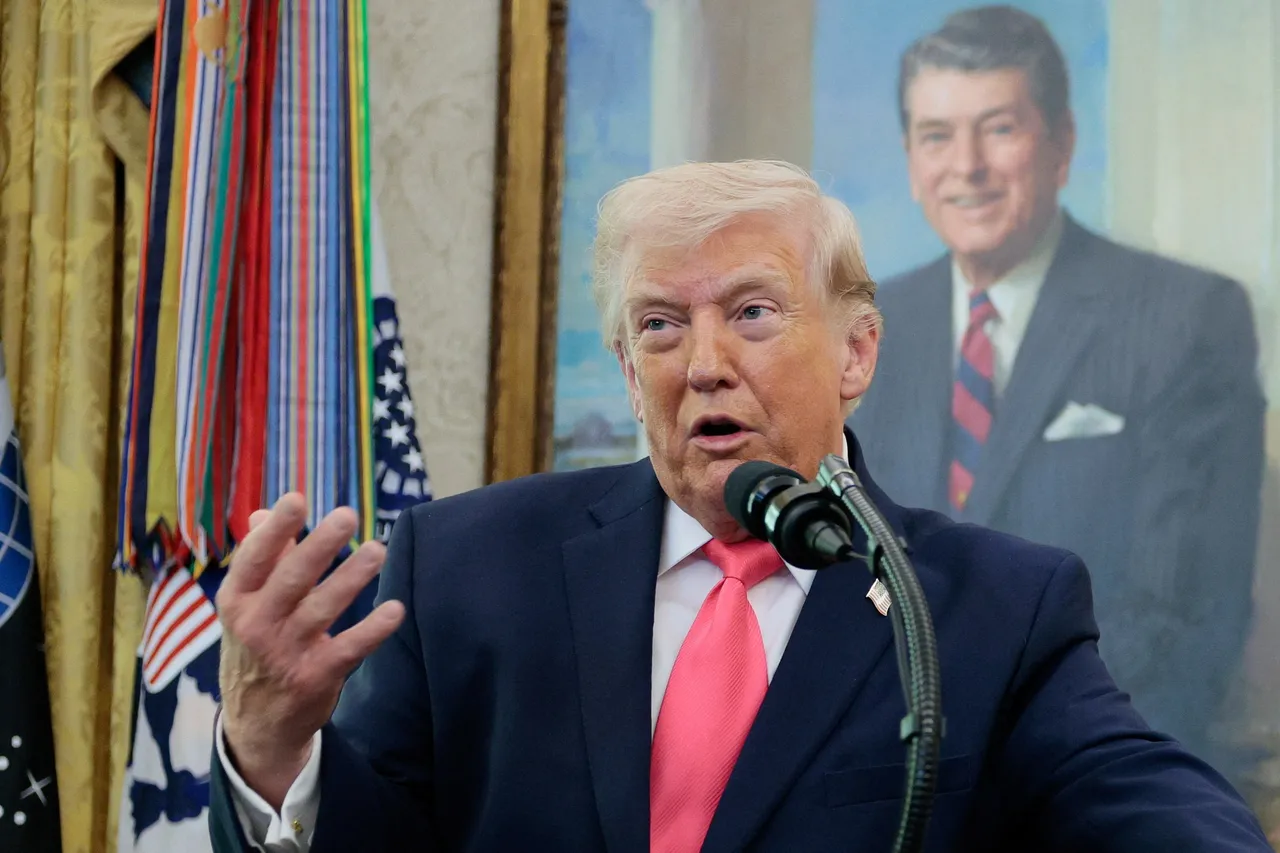
"Nobody knows who to talk to, but we're actually talking to the right people," Trump said at the swearing-in ceremony for the US Secretary of Homeland Security on Tuesday.
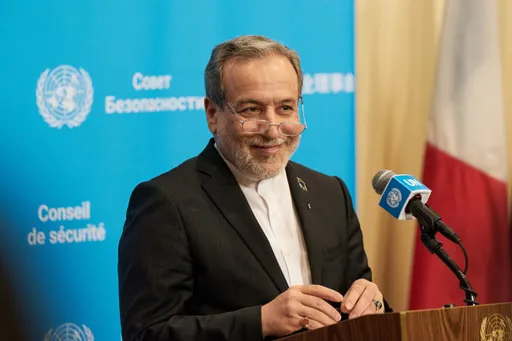
"They want to make a deal so badly; you have no idea how badly they want to make a deal."
He said a “number of people” are conducting the talks with Iran, including Vice President JD Vance and Secretary of State Marco Rubio.
The president said Iran is “talking sense” and claimed that Tehran “agreed they will never have a nuclear weapon.”
Although Iran has not confirmed the claims, Tehran has long maintained that it has no intention of developing nuclear weapons.
Trump also said that Iran gave him a "very big present" related to oil and gas, not offering details but saying he had new faith in Tehran's leaders.
Trump also asserted that the US had killed “all their leadership that created all those problems” and warned that new Iranian leaders could be targeted if fighting continues, reflecting his broader aim of degrading Iran’s command structures amid the conflict.
The remarks follow a CNN report saying Washington had reached out to Tehran through various intermediaries in recent days to explore whether an agreement was possible, though nothing had yet risen to the level of formal negotiations.
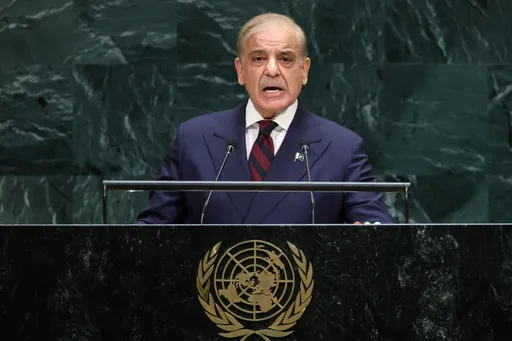
Trump also shared Pakistan PM Shehbaz Sharif’s social media post backing talks to end the Middle East war, offering to host negotiations.
Meanwhile, the Israeli military said that it was operating "according to an unchanged plan" in Iran and Lebanon, regardless of any talks aimed at reaching an agreement to end the hostilities.
The White House said Trump is pressing on with military offensive against Iran even as he examines "newfound" diplomatic options.
The US and Israel have carried out air strikes on Iran since February 28, so far killing more than 1,340 people, including then-Supreme Leader Ali Khamenei.
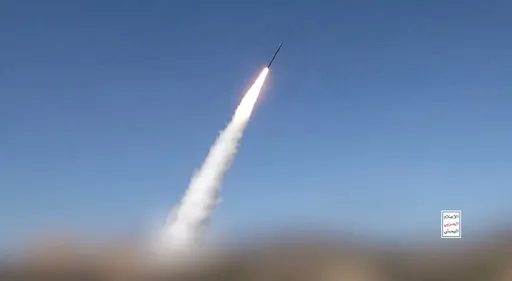
Tehran has retaliated with drone and missile strikes targeting Israel, along with Jordan, Iraq and Gulf countries hosting US military assets, causing casualties and damage to infrastructure while disrupting global markets and aviation.
Tensions have also intensified since March 2, when Israel expanded its military aggressions in Lebanon, launching air strikes on Beirut's southern suburbs and areas in the south and east, before beginning a limited ground incursion in the south on March 3.