 Yehia Ghanem
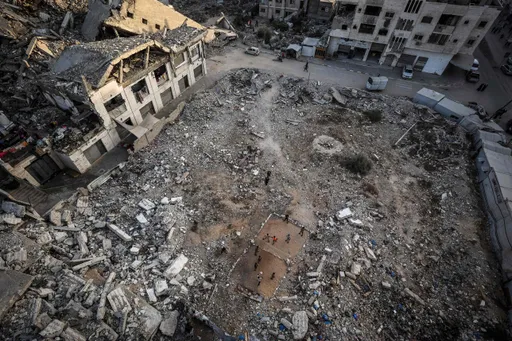
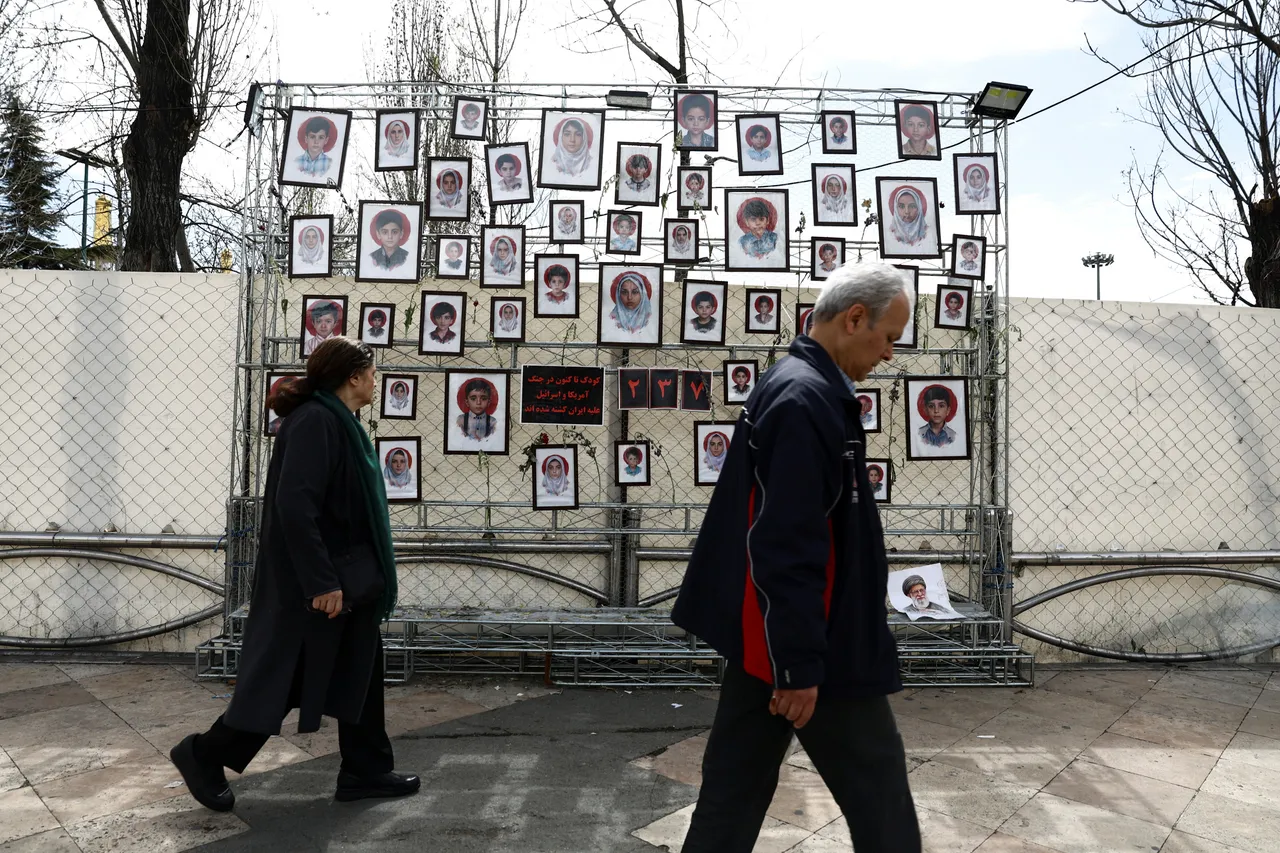
Since February 28, Israel and the United States have launched a war of aggression against Iran – prompting Tehran to retaliate with barrages of missiles and drones, and partial closure of the Strait of Hormuz.
Beyond the immediate headlines, the broader strategic, historical, and humanitarian stakes demand a clear‑eyed analysis of what this conflict means for the region and the world.
Far from the daily barrage of tactical updates, this war reveals the limits of military power, the fragility of global order, and the enduring weight of geography and history.
To understand this war, one must first understand the nature of the state it targets. Iran is not a marginal power that can be reshaped at will.
It is a foundational state, geographically vast, historically continuous, culturally rooted, and strategically resilient.
Its eastern mountains remain virtually impregnable.
The northern territories overlooking the Black Sea are largely beyond the reach of Israeli air strikes and pose extreme challenges for ground incursions, not least because any attempt could risk drawing Russia directly into the conflict.
From antiquity to the present, these regions have consistently resisted conquest.
Military force can destroy infrastructure; it cannot easily reconstruct legitimacy or erase a civilisation’s memory.
The collapse of a security illusion
The current war has also dismantled long‑standing assumptions about regional security.
For decades, Gulf stability has rested on US guarantees. This architecture began during the Iran–Iraq War in the 1980s, expanded after the Gulf War in the 1990s, and consolidated following the Iraq War in the new millennium.
Today, that system lies fundamentally shaken.
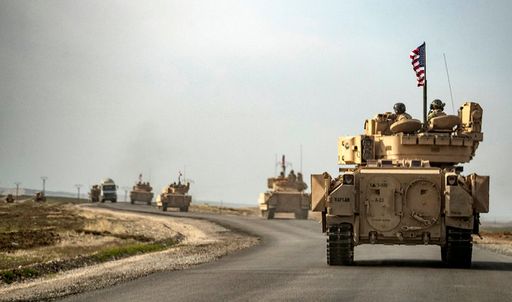
States hosting US bases, once perceived as protected, now is being targeted by Iran due to the presence of these military assets.
What were designed as deterrence platforms have become potential targets, while Iranian attacks have also extended to civilian infrastructure in Gulf states. The logic of forward deployment that was meant to assure security has instead heightened regional vulnerability.
No sustainable Gulf security framework can emerge without acknowledging this reality.
A durable order must include the region’s principal actors – Iran, Iraq, Türkiye, Egypt, and Syria - as stakeholders, not as objects of security policy.
External powers can be guarantors, but not architects.
At first glance, this conflict may seem regional in scope. In reality, its consequences are global.
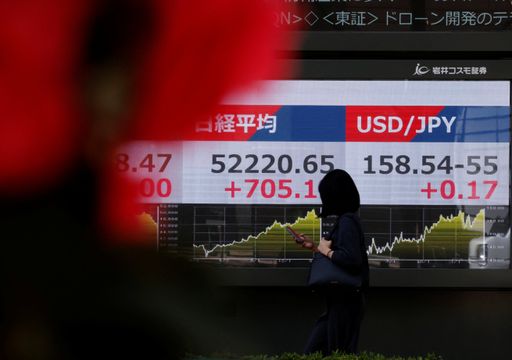
Today’s global economy is deeply interconnected. Shockwaves in energy markets, supply chains, and financial networks travel faster than any military campaign.
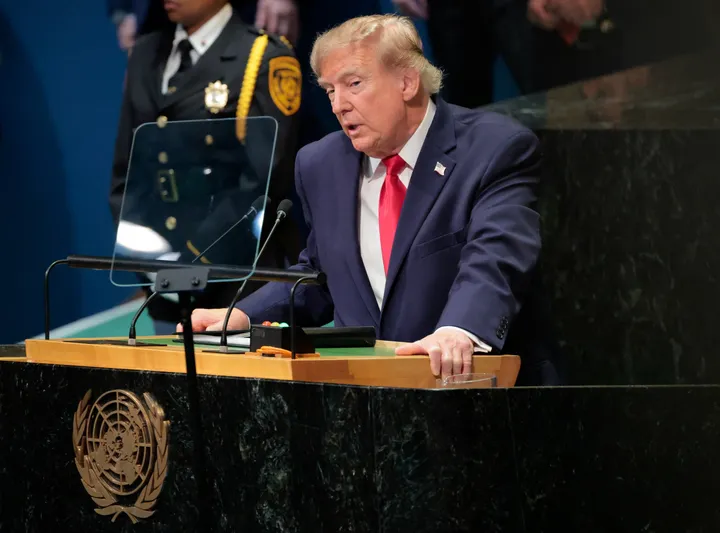
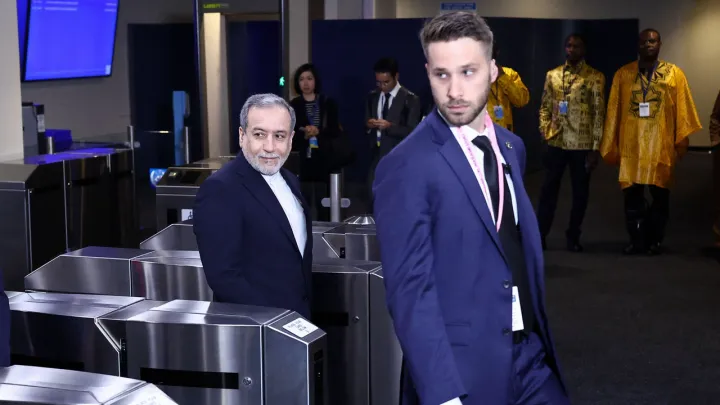
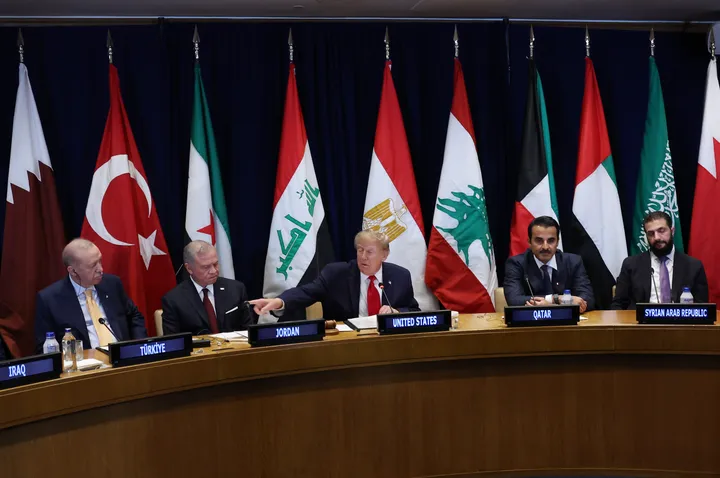

Unlike the relatively segmented global systems of the early 20th century, modern markets operate on a near‑domino principle, in which disruption at one node cascades rapidly across the global order.
The two World Wars together resulted in an estimated human toll of around 120 million lives, according to widely cited historical and United Nations‑aligned assessments.
Those were cataclysms that reshaped economic and political systems, yet they occurred in a far less interconnected economic universe.
Today, the global economy is far more vulnerable. The effects of war in one region can cripple growth, inflate prices, disrupt food security, and fuel geopolitical instability on five continents.
At the same time, the war reveals a troubling retreat from the legal norms designed to restrain armed conflict.
Modern international humanitarian law, most notably embodied in the Fourth Geneva Convention, was crafted in the aftermath of World War II.
Significantly, many of its strongest advocates were military leaders who had witnessed the catastrophic human cost of total war and sought to impose ethical limits on its conduct.
Institutions such as the International Committee of the Red Cross played a central role in codifying these principles, ensuring protections for civilians and regulating wartime behaviour.
Yet today, that legal and moral legacy is under strain. The frameworks born of humanity’s greatest tragedies risk becoming cadavers of restraint themselves.
Power, time, and the question of peace
At its core, this war raises fundamental questions about power, time, and the possibility of peace.
Military superiority may place the clock in the hands of Israel and the US. They may dictate the tempo of strikes, the rhythm of escalation, and the choreography of destruction.
But time, shaped by geography, historical depth, and societal resilience, remains firmly on Iran’s side.
The generation that endured the devastation of World War II sought to restrain war through law and institutional order.
It was, once again, the military leaders themselves, those who had witnessed the devastation of total war firsthand, who pushed for legal frameworks like the Geneva Conventions, often in contrast to political leaderships that, insulated from the battlefield, have at times compelled wars against the better judgment of those tasked with fighting them.
Perhaps a new generation, especially within today’s military establishments, must once again assert the necessity of restraint where political leadership appears unmoored from history, law, or consequence.
Until then, the world risks repeating history, not merely as tragedy, but as catastrophe in an era far more interconnected and vulnerable than ever before.
This war may place the clock in the hands of powerful states.
But time, deep, enduring, and shaped by history, belongs, as ever, to the peoples and civilisations whose roots cannot be uprooted by missiles or political decrees.