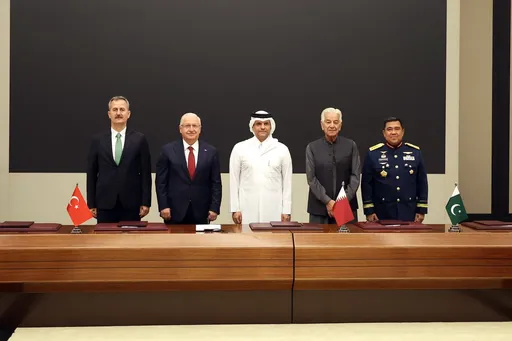
The emergence of a multipolar world, Europe’s future role and approaches to ending the war in Ukraine have dominated the opening day of the 19th Verona Eurasian Economic Forum in Istanbul.
Political, business and academic figures from more than 30 countries gathered at Ciragan Palace on Thursday to discuss how to navigate the changing global order without fuelling further conflict.
Discussions repeatedly returned to the need for dialogue and a new balance of power among the US, Russia, Europe and other global and regional powers.
Türkiye prioritises stability amid global uncertainty
In his opening remarks, Turkish Treasury and Finance Minister Mehmet Simsek said conflicts, supply chain disruptions and rising commodity prices were putting mounting pressure on the global economy.
Türkiye’s response centres on maintaining macro-financial stability and strengthening its resilience to external shocks, he said.
Ankara would maintain a data-dependent, restrictive monetary policy, rebuild fiscal buffers and accelerate its green transformation to reduce reliance on imported primary energy, Simsek added.
He also highlighted Türkiye’s diplomatic role amid growing geopolitical tensions, saying the country benefits from “stability, peace and prosperity” in surrounding regions and continues to invest in mediation and dialogue.
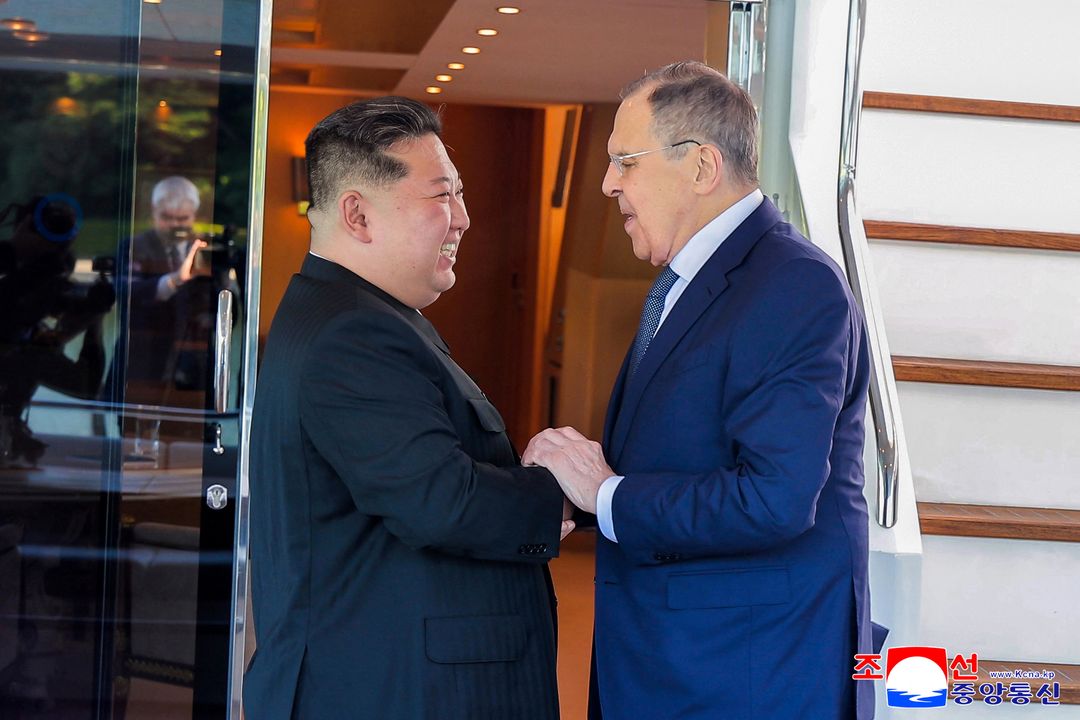
US faces era of 'permanent rivalry'
Speaking at a special session of the forum, Thomas Graham, a fellow at the Council on Foreign Relations and former senior US official on Russia policy, argued that Europe would have to play a central role, while describing the changing international system as an unprecedented challenge for Washington.
"For the first time in history, the United States faces a multipolar order from which it cannot withdraw," Graham said.
The US could no longer dominate the international system as it had during earlier periods, he said, arguing that Washington instead had to adapt to an era of "permanent rivalry" with other major powers.
That would require avoiding direct conflict, particularly given the destructive capacity of modern weapons, while maintaining enough cooperation to address transnational challenges.
Graham said the objective should be to establish regional equilibria in Europe, the Middle East and East Asia that could ultimately underpin a broader Eurasian balance.
He rejected the idea that Washington, Moscow and Beijing could determine the future of the rest of the world among themselves, saying Europe remained a critical part of any such arrangement.
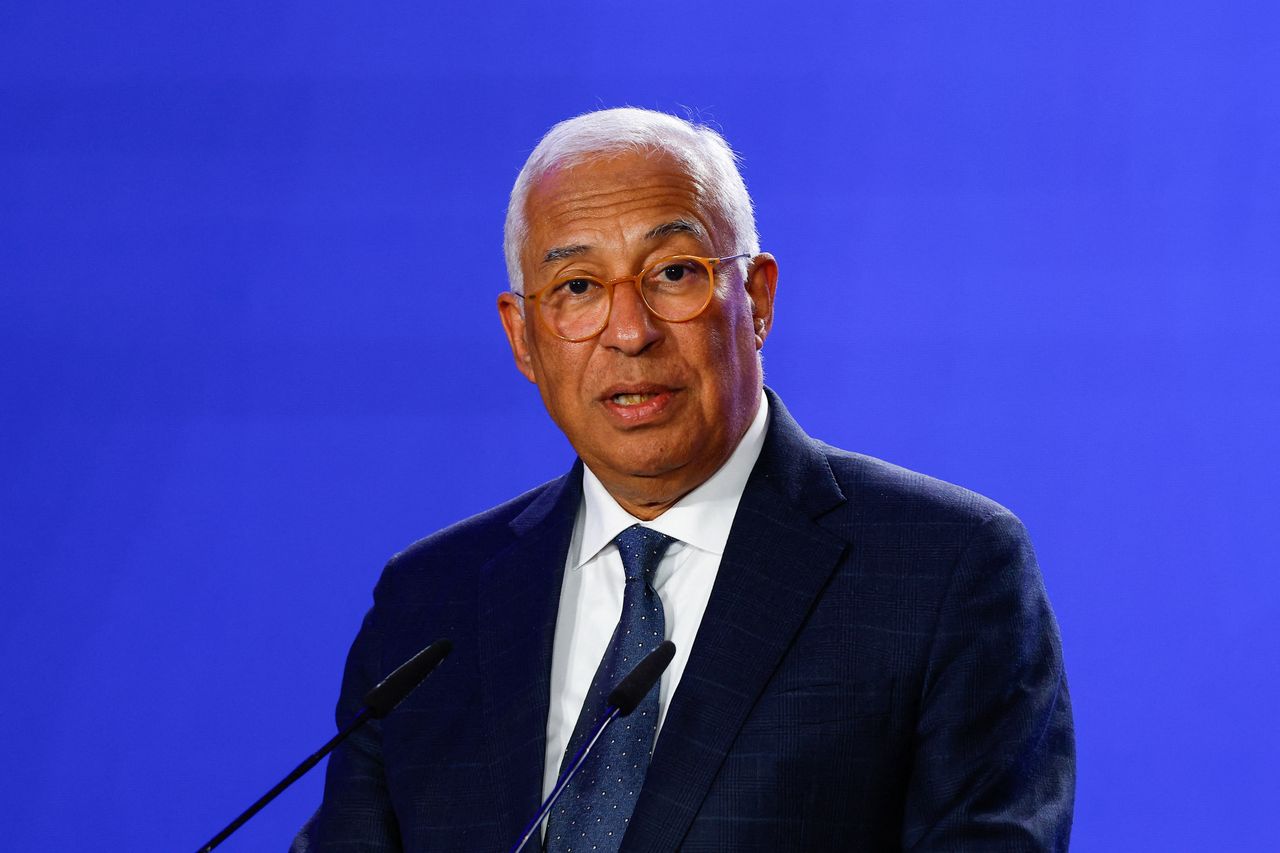
Türkiye's role in emerging multipolar order
Necmeddin Bilal Erdogan, chairman of the Ilim Yayma Foundation, placed Türkiye's growing regional role within the same shift toward a more multipolar international system.
Erdogan said regional actors should be encouraged to take greater responsibility for their own security and future, arguing that those living in a particular region ultimately bear the greatest consequences of instability there.
Türkiye, he said, had sought to play such a role through efforts concerning Syria, Iraq and the Caucasus and its ability to maintain dialogue with competing sides.
Erdogan called for dialogue channels to remain open despite conflicts and political disagreements, saying prejudices and double standards in international affairs were eroding trust between countries.
He argued that both Türkiye and Russia were part of the broader European space and that losing sight of such historical and geographic realities amid current conflicts would make prospects for peace more difficult.
He also linked the debate over international security to wider questions about technological and economic development, questioning the purpose of advances in areas such as artificial intelligence if they failed to contribute to peace, human welfare and greater equality.
'Without Europe there can be no peace'
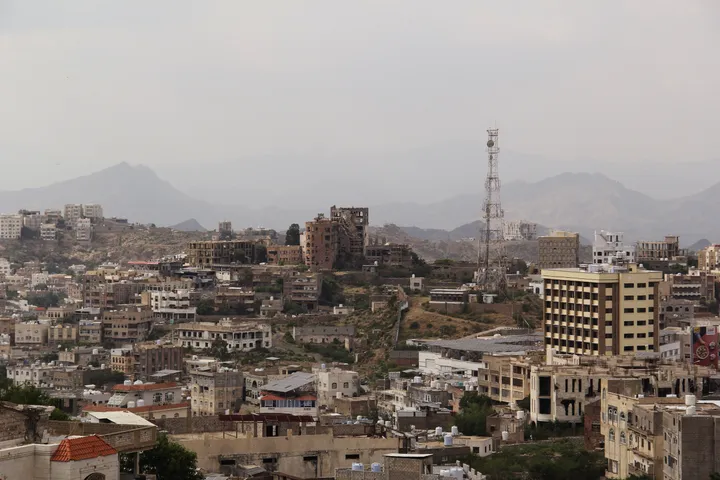




Romano Prodi, former president of the European Commission and former Italian prime minister, recalled a dramatically different atmosphere in Russia-Europe relations two decades ago, saying cooperation between the two sides had once appeared capable of reaching much further.
The war in Ukraine had since made the divide extremely difficult to overcome, he said, while a succession of conflicts from Ukraine to Sudan, Gaza and Iran had created an increasingly dangerous international environment.
"It is time to change," Prodi said, arguing that Europe had been marginalised amid contacts between Russia and the US, partly because of its own internal divisions and weaknesses.
But excluding the continent from a future settlement would be a mistake, he said.
"Without Europe there can be no peace," Prodi said, stressing the bloc's economic weight, technological capabilities and experience in overcoming historical conflicts.
Referring to discussions about a potential understanding among major powers, Prodi used the analogy of a "little Yalta," suggesting that the world could be moving toward negotiations in which major powers establish new rules for managing relations.
He cautioned, however, that a potential US-Russia energy understanding alone could not resolve broader international problems and that any durable arrangement would also require Europe's participation.
Approaches to ending Ukraine war
The discussions also focused on possible paths toward ending the war in Ukraine.
Kirill Dmitriev, Russian President Vladimir Putin's special representative for investment and economic cooperation with foreign countries and CEO of the Russian Direct Investment Fund, said Moscow was seeking a permanent end to hostilities and a stable European security architecture rather than temporary ceasefires.
"It's not about temporary ceasefires. It's not about temporary solutions," Dmitriev said, arguing that an interim arrangement could eventually lead to renewed hostilities.
He said recent US-Russia discussions had been positive in this regard and praised efforts by the Trump administration to balance the interests of Russia, Ukraine and Europe in search of a lasting settlement.
Graham said permanent peace could not realistically emerge from a single agreement but would have to develop through a longer process.
"To demand permanent peace as a condition for a ceasefire actually is a call for continued warfare," he said.
He said negotiations could first establish principles and parameters for a future settlement, followed by a ceasefire that would allow detailed talks to continue in a less volatile environment.
Such an outcome would require concessions from both Russia and Ukraine and active European participation, he added.
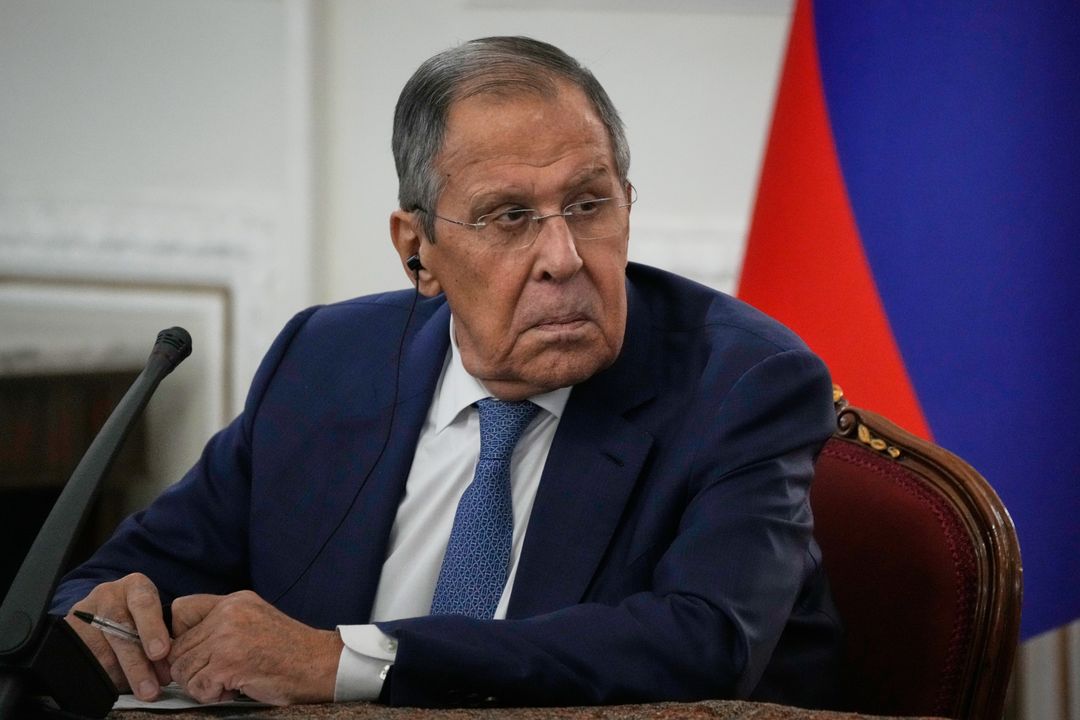
Dmitriev urges renewed Russia-Europe economic ties
Beyond the Ukraine negotiations, Dmitriev argued that economic ties could eventually help rebuild relations between Russia and Europe.
He said there was "no question" that Russia wanted to and would cooperate with Europe, while criticising European efforts to increase defence spending and rejecting claims that Moscow posed a threat to the continent.
Dmitriev also urged European business leaders to press policymakers more forcefully over restrictions on access to the Russian market and the economic consequences of reduced Russian energy supplies.
In separate remarks during the discussion, he argued that the resumption of broader Russian energy supplies to Europe was ultimately "economically inevitable."
He also said Russia-US economic cooperation could expand beyond energy, pointing to potential collaboration in areas including fertilizers.