Treasury and Finance Minister Mehmet Simsek has highlighted Türkiye's investments in global trade routes like the Development Road and Middle Corridor to combat rising international protectionism and economic fragmentation.
Türkiye invested in connectivity and regional economic integration to strengthen corridors for the country's benefit against global fragmentation, the minister said on Wednesday during his speech at the Rising Türkiye Summits, organised by a Turkish broadcaster Kanal 7.
The world faced unprecedented uncertainty, polarisation, conflict, and tension, he recalled, adding that the US-Israel and Iran wars brought temporary macroeconomic effects, while markets expected rising global inflation, tightening financial conditions, and a loss of momentum in growth, he said.
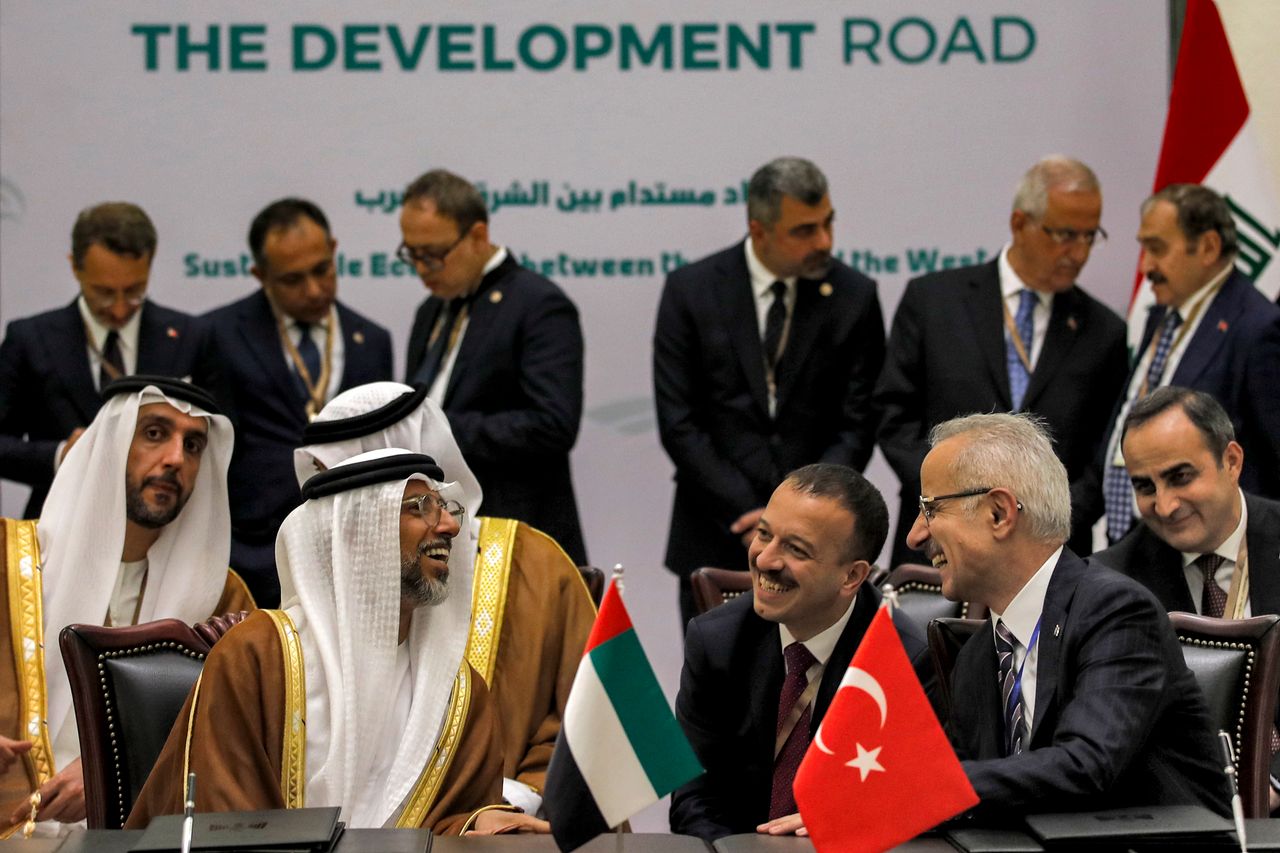
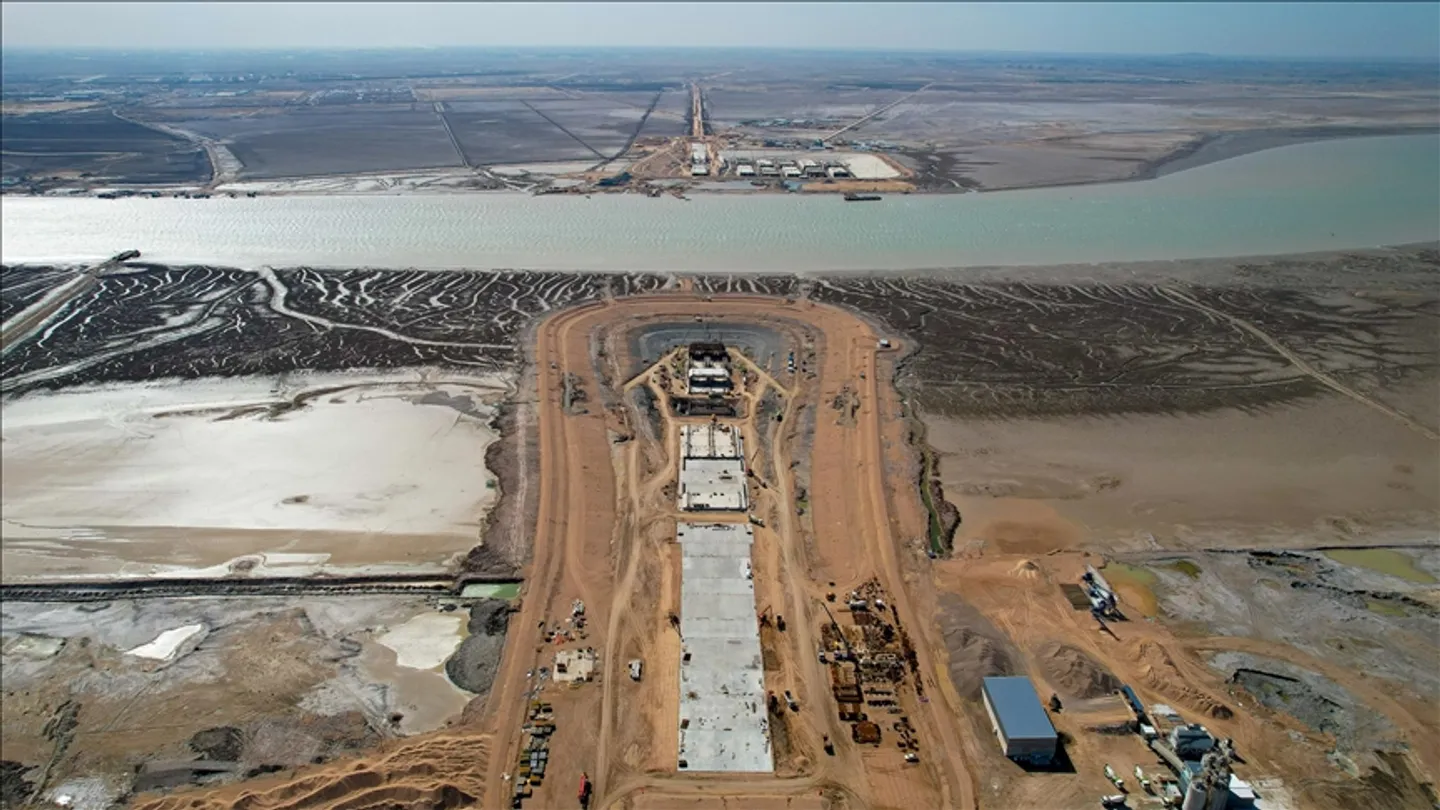
The Development Road constituted one of these connectivity efforts, including an approximately 1,200-1,250 kilometre railway line, a highway, and an energy corridor from Basra to Türkiye, he explained.

Connecting Asia to Europe


The United Arab Emirates, Qatar, and Iraq all acted as stakeholders in this project, he said.
The Middle Corridor also served as one of the main corridors connecting Asia to Europe, and passed through Anatolia, he stressed.
The third bridge in Istanbul featured a wide design specifically for a railway connection as the most important component of this $8.1 billion project, he stated.
International financial institutions would provide 83 percent of the project's funding, he announced.
Türkiye signed an agreement with the World Bank to strengthen the Middle Corridor, he recalled.