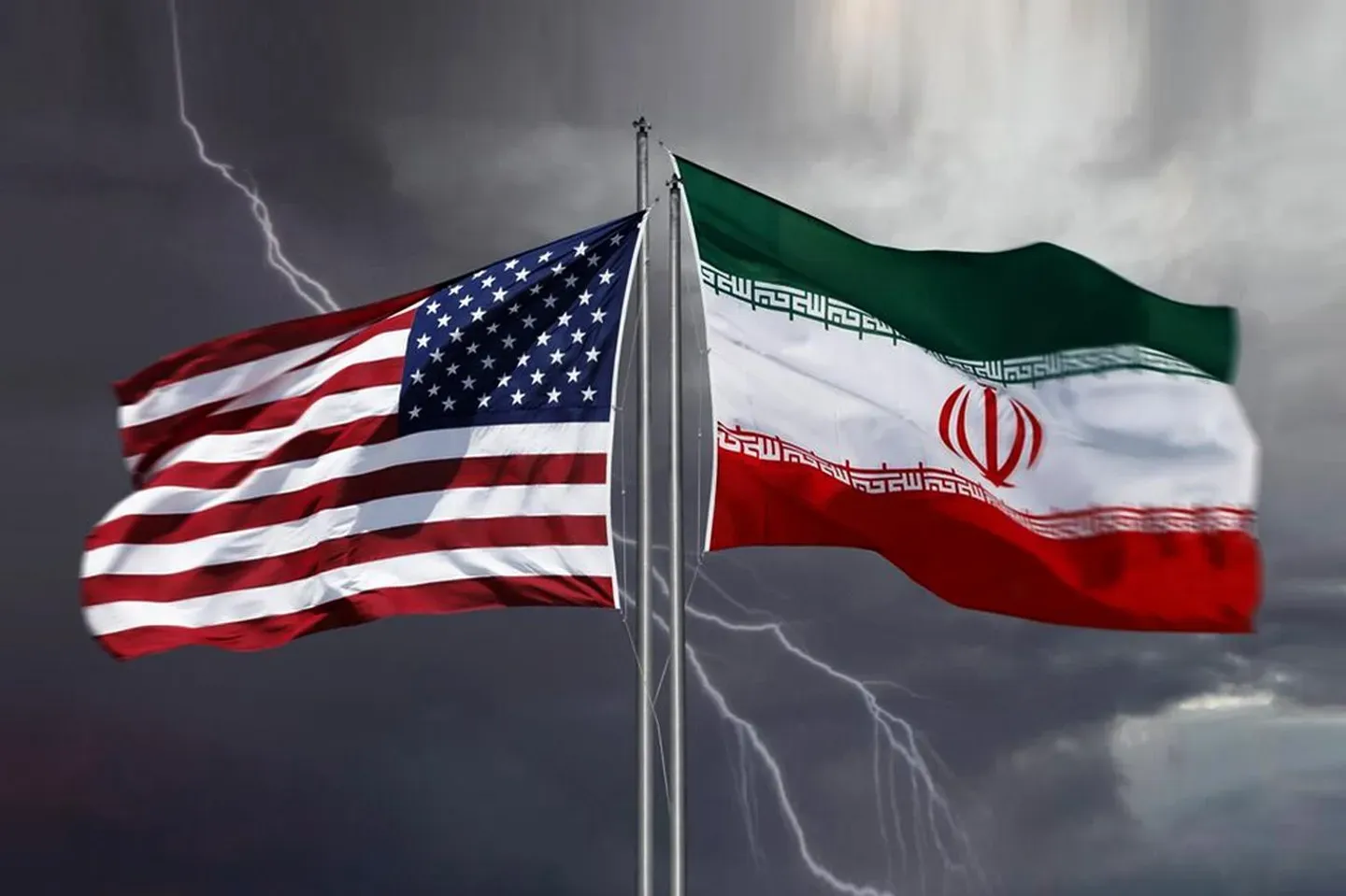
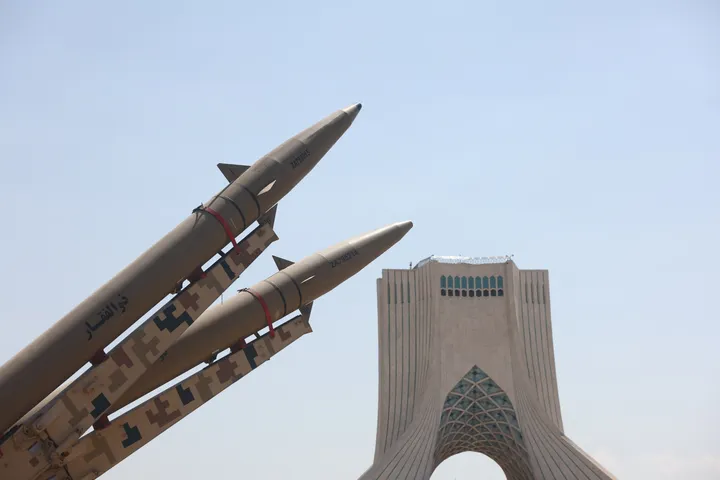
Iran’s response to any future US attack will be “asymmetric” and "multi-layered, First Vice President Mohammad Reza Aref has said, as Iran's Revolutionary Guard (IRGC) vowed to avenge Tuesday’s deadly US strikes on a wedding ceremony in Kuhestak city.
“The recent US crimes against the Iranian nation have changed our security calculations and defence doctrine. From now on, our response will be asymmetric, multi-layered and aimed at depriving the aggressor of security,” Aref said on Thursday in a post on X.
He also warned of economic consequences for Washington.
“The Americans should think about stockpiling gasoline and fuel; dark months await the American economy,” he said.
Aref did not elaborate on what measures Tehran could take in response to a future US attack or how they could affect US fuel supplies and the broader economy.
Wedding ceremony attack
Meanwhile, IRGC chief Ahmad Vahidi vowed to avenge the four people killed at a wedding ceremony in the country’s south.
"The pure blood of these oppressed martyrs will not go unanswered and will definitely be avenged," Vahidi said in a statement carried by state television.
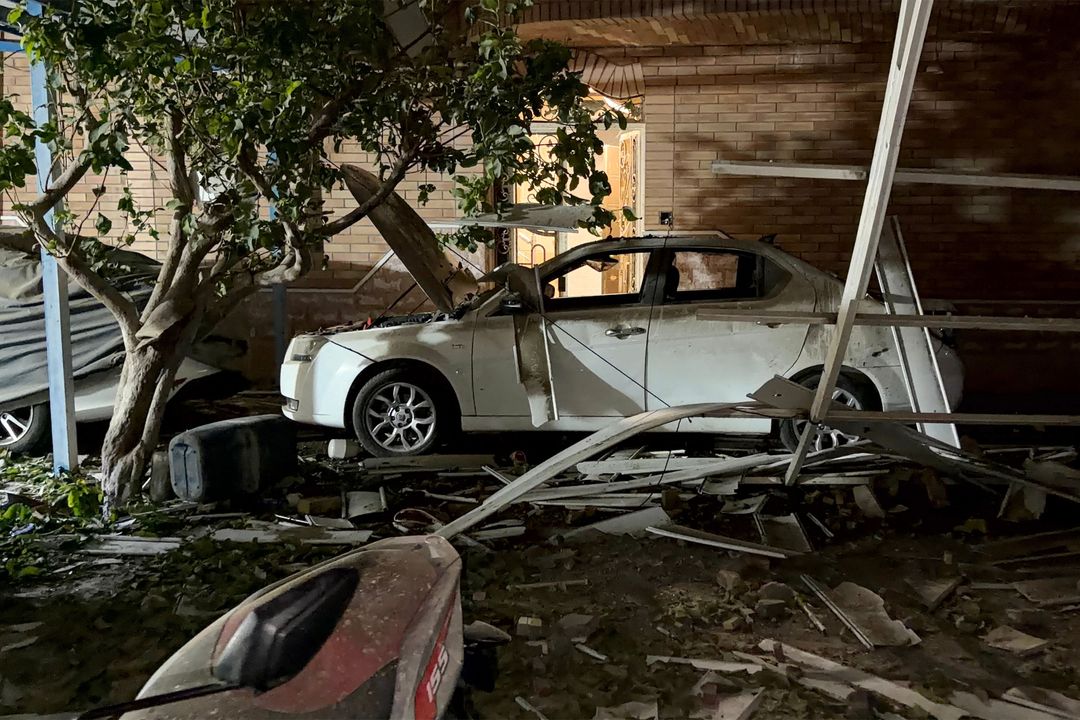
The strike hit on Tuesday night in the coastal town of Kuhestak along the Strait of Hormuz after the United States announced attacks against targets belonging to the IRGC.
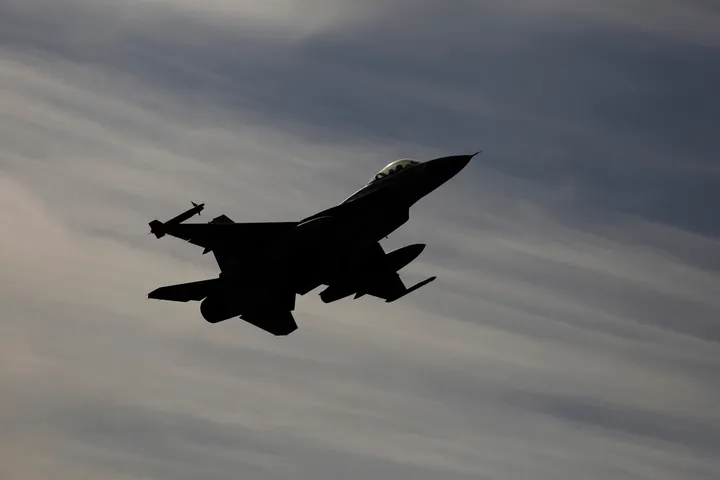
Iranian authorities said the strike killed at least four people, including a child, and wounded 68 others at the wedding.
Iranian officials called the attack a "war crime".
The remarks came amid renewed direct fighting between Iran and the US and heightened concerns over energy supplies and shipping through the Strait of Hormuz, a key route for global energy shipments.
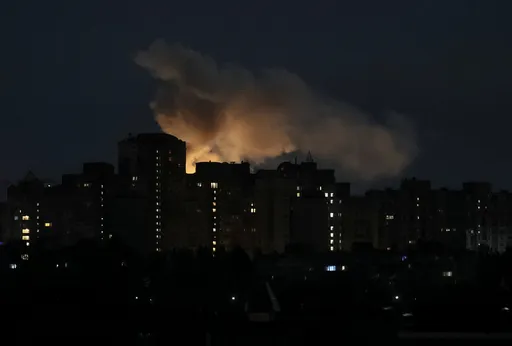
The latest escalation began after a US strike on Iran’s Larak Island on August 30 ended a roughly month-long lull in direct hostilities.
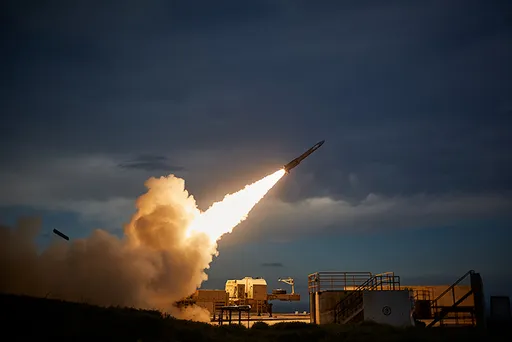
Iran has since launched missiles and drones against US military facilities across the region, including bases in Kuwait and the UAE.
Tehran has also maintained restrictions on navigation through the Strait of Hormuz, linking its reopening to Washington fulfilling commitments under an earlier understanding between the two sides.
The US, meanwhile, has intensified economic pressure on Tehran through its “Operation Economic Outcast", targeting Iran’s oil revenues and other financial lifelines.