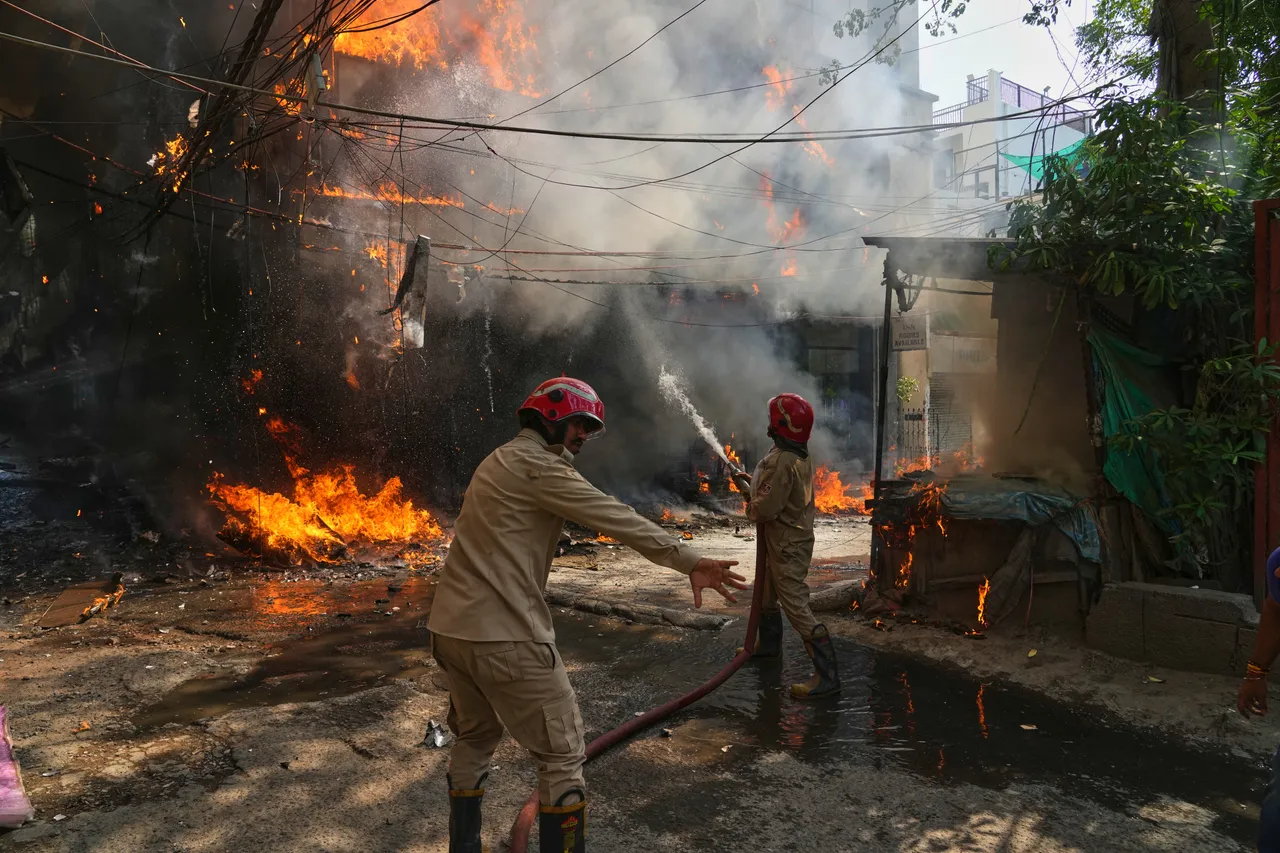
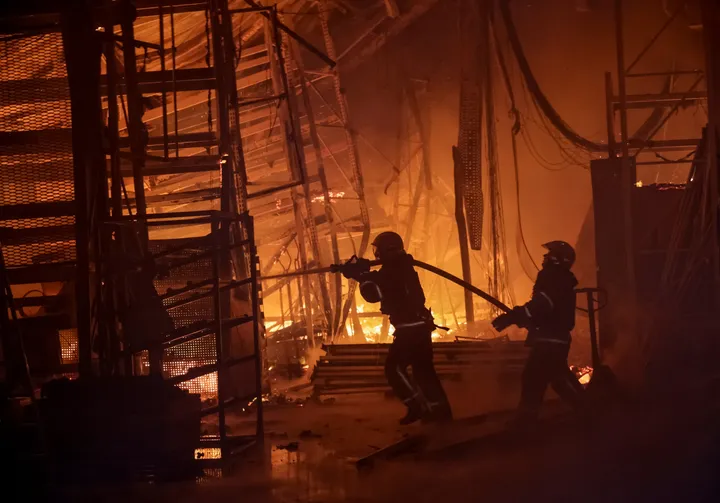
On the morning of June 3, a devastating fire ripped through Flourish Stay B&B in Indian capital Delhi’s Malviya Nagar Hauz Rani area. The multi-storey building, popular with foreign medical tourists, had severe safety violations: a single entry-exit point, allegedly far more rooms than permitted, locked windows, and no proper fire clearances.
At least 21 people died, many of them foreign nationals, and over 40 were rescued amid the chaos as guests jumped from upper floors.
While official responders faced criticism for their delayed arrival, local residents acted immediately. They broke windows with hammers, threw ropes, carried victims on their shoulders, administered CPR to the unconscious, including foreign couples and Nigerians found in bathrooms, and crucially, spread mattresses and bedsheets on the ground to cushion jumps from upper floors. Several sustained injuries from glass and debris but kept going.
Prominent among them were the Muslim residents of the area.
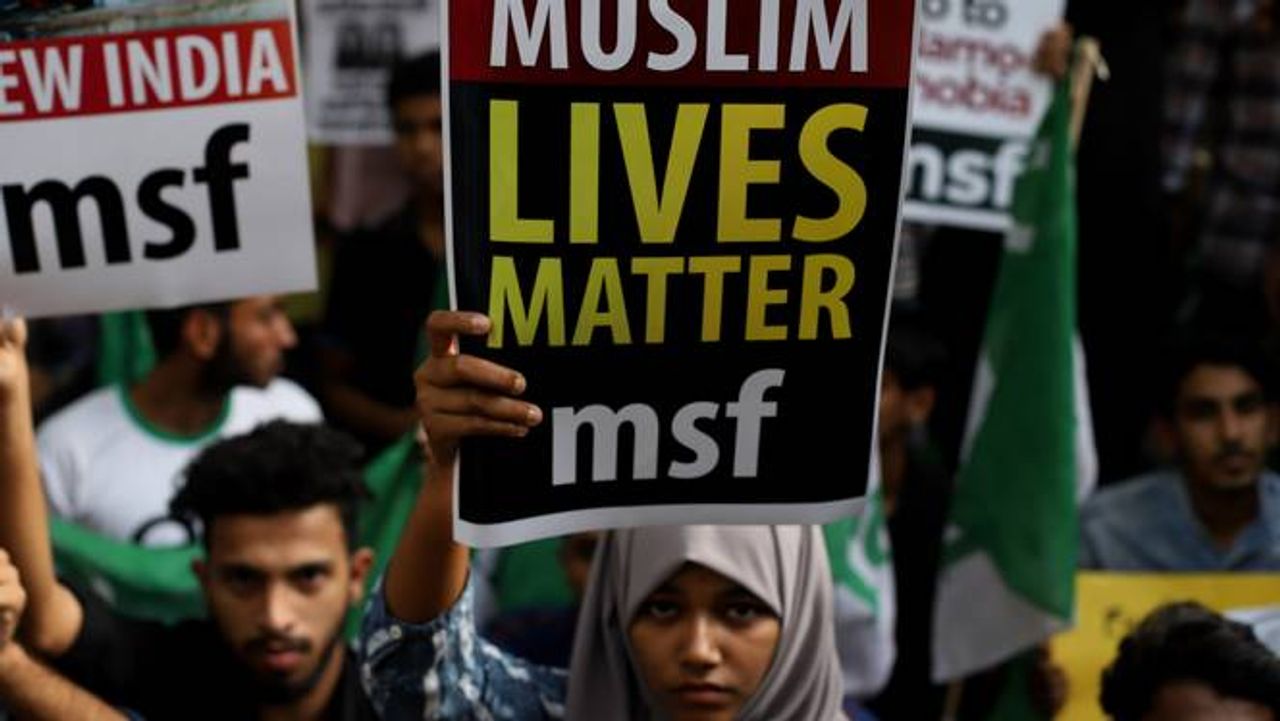
Muslims, who form about 14-15 percent of India’s population, have faced increasing violence and discrimination in recent years, with reports and surveys documenting instances such as cow-related vigilantism, socioeconomic disparities, and anti-Muslim political rhetoric
Indian Muslims must often navigate stereotypes linking them to extremism or disloyalty to the nation, despite their deep integration into professions, arts, sports, business, and daily civic life.
Against this backdrop, the Malviya Nagar fire stands out: Ordinary Muslim men, shopkeepers, lawyers, traders, risked their lives for strangers, many of them foreigners, without regard for religion, nationality or background.
Mansoor and Ishrar Khan described pulling people out, with Ishrar witnessing harrowing scenes.
“I was helping some of the victims, and their skin just peeled off. It was horrifying. They all were screaming,” Ishrar was quoted as saying by the Indian Express.
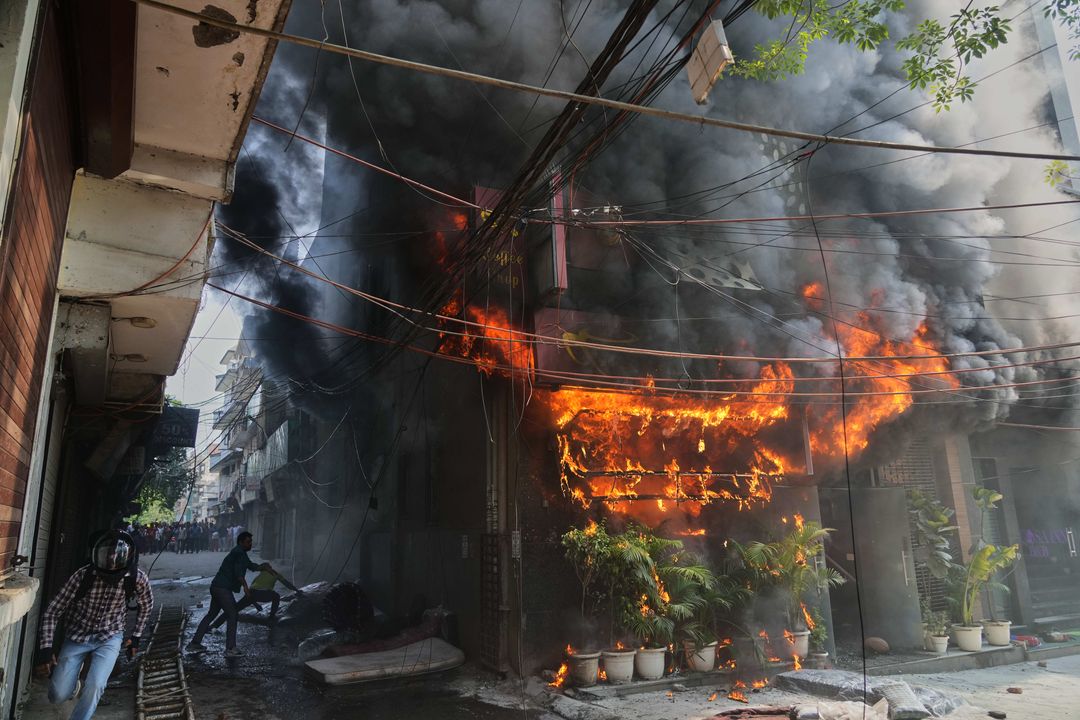
He shared that locked doors and windows made rescue efforts hard. “The windows wouldn’t slide open, so we used hammers to break them and rescued seven people from the basement,” he said, adding that after getting in, he helped the guests get to the roof after which they jumped down onto mattresses.



Mansoor, a local resident and construction contractor, said the blaze appeared to originate from the first floor. As panic spread through the building, occupants began leaping from the windows in a desperate attempt to escape.
“People started jumping from the first floor. Then they began jumping from the second, third and fourth floors. We brought mattresses and placed them below so they could land on them,” he said.
Meanwhile, Wasim Raza, who lives in Hauz Rani, helped cut grills to reach the basement and performed CPR on around 10 people. Two other residents, 35-year-old Mohammad Afzal, 35, a lawyer, and 31-year-old Amir Khan, who runs a water supply shop, and others rushed in, carrying survivors.
Armaan, a 27-year-old business owner of Munsoorei Cottons, provided 20 mattresses and 24 bedsheets. “I gave 20 mattresses and 24 bedsheets. Locals wrapped the victims in double-layer bedsheets and got them out,” he said.
Mattress trader Riyazuddin, whose shop was in front of the hotel, sacrificed goods worth nearly 200,000 Indian rupees ($2,090), laying the mattresses out early and helping save 8-12 lives before firefighters arrived, he estimated.
In an interview with NDTV India, he explained that as a civil defence-trained local, he quickly understood the situation when the main gate was on fire and people were screaming for help from the upper floors.
“We laid down all our mattresses on the road and told them to jump... 7-8 people jumped and their lives were saved,” he added, noting he and his son sustained injuries but felt immense satisfaction in serving society.
Journalist Sunetra Choudhury highlighted rescuers like Amir Khan, Mohd Shoaib, Wasim Raja, and Mohd Afzal on X, along with Riyazuddin. The post and related coverage spread widely, with many Indians praising their bravery and humanity.
As one local leader noted, CPR was given without asking if victims were Hindu or Muslim.