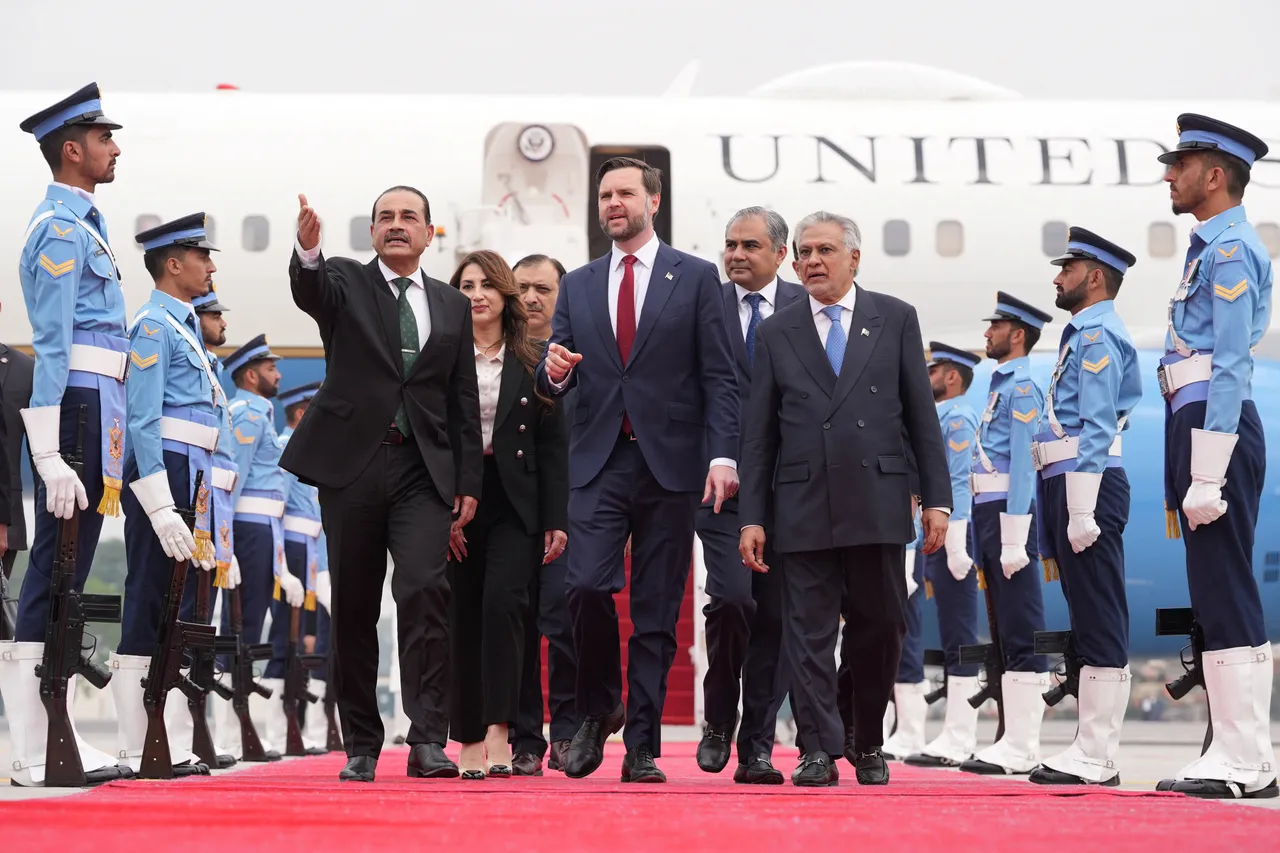
Pakistan has intensified diplomatic efforts to broker a breakthrough between the United States and Iran, with Army Chief Asim Munir holding high-level talks in Tehran as part of a renewed push to revive stalled negotiations.
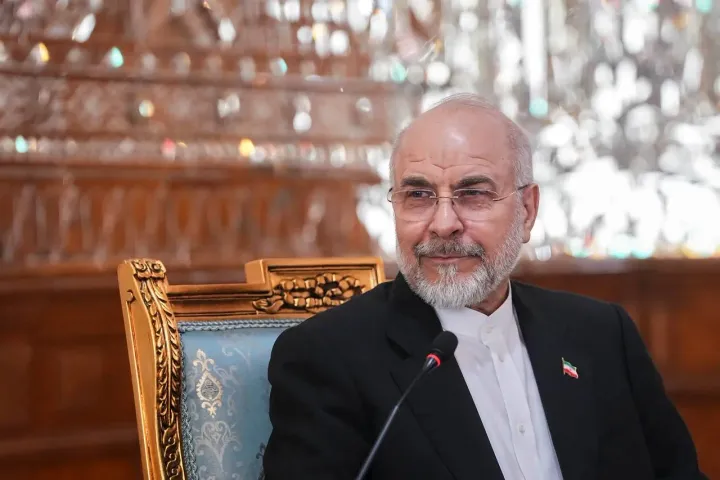
Munir met Iran’s parliament speaker Mohammad Bagher Ghalibaf, widely seen as Tehran’s lead negotiator, days after hosting Iranian and US delegations in Islamabad. The initial round of talks ended without a deal, but both sides signalled openness to further dialogue.
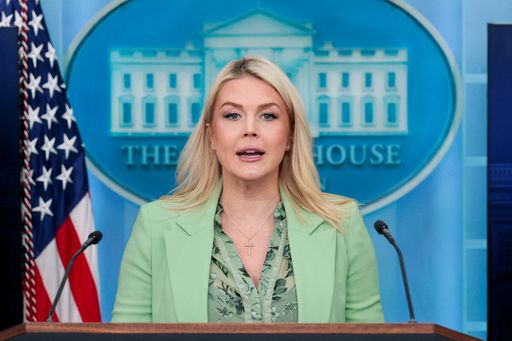
Pakistani officials say technical teams from Washington and Tehran are continuing indirect exchanges, with both parties aiming to turn the next round of talks into a “deal-signing” moment. No date has been confirmed, though the White House has indicated Islamabad is the likely venue.
Islamabad, which brokered a two-week ceasefire on April 8, is seeking to build “maximum understanding” between the sides.
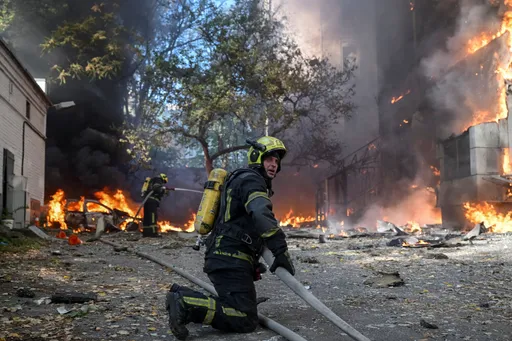
The war, triggered by US and Israeli strikes in late February, has killed more than 3,300 people in Iran and displaced hundreds of thousands.
Nuclear issue central to talks

At the core of the negotiations remains Iran’s nuclear programme, the main obstacle to a lasting agreement. Pakistani sources say Tehran has in principle agreed to a proposal for third-party monitoring of its nuclear activities, potentially involving four countries alongside the International Atomic Energy Agency.
Washington has yet to respond formally, but continues to demand strict and long-term limits on Iran’s uranium enrichment. While the US reportedly seeks a suspension of enrichment for up to 20 years in exchange for sanctions relief, Iran is said to be willing to consider a shorter freeze.
Iran has also demanded guarantees against further attacks by the US or Israel as part of any agreement.
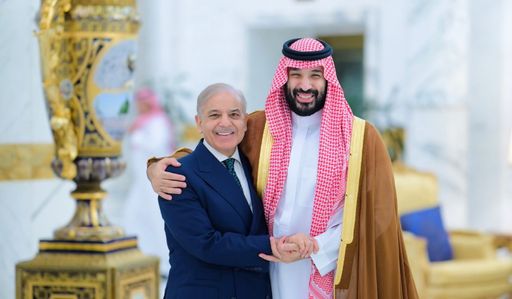
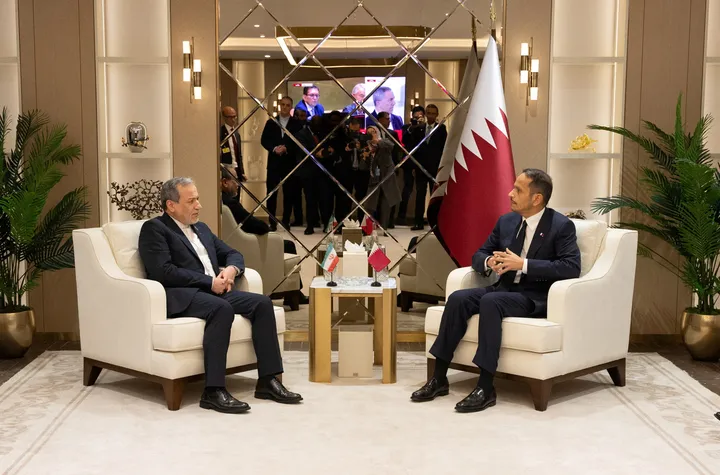
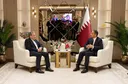
Meanwhile, Pakistan’s Prime Minister Shehbaz Sharif met Qatar’s Emir Tamim bin Hamad Al Thani to rally broader regional support for de-escalation. The two leaders emphasised the need to stabilise energy markets and ensure secure supply chains amid ongoing tensions.
Qatar, a major liquefied natural gas exporter, has already felt the impact of the conflict after earlier disruptions to production linked to Iranian strikes.
As diplomacy accelerates, expectations are growing that a new round of US-Iran talks could take place within days, raising cautious hopes for a negotiated path out of the crisis.