 Amir Zia
The four-day war between Pakistan and India in May 2025 may have ended abruptly, but it has injected fresh and more dangerous complexities into the already simmering disputes between the two arch rivals.
Unlike the past, when each of their conflicts was followed by mediated or bilateral diplomacy, this time around, there is a complete deadlock.
Islamabad and New Delhi are simply not talking to one another against the backdrop of an intensifying jingoistic war of words aimed at influencing and winning the hearts and minds of their domestic audiences.
In Pakistan, the first anniversary of this short war is being celebrated as a military victory and with a pledge that any future aggression would be met with “greater strength, precision and resolve”.
In sharp contrast, New Delhi is marking the occasion by emphasising “zero tolerance” towards terrorism and praising its armed forces for their decisive response to the militant attack in the India-administered Kashmir’s Pahalgam region.
New Delhi had accused Pakistan of sponsoring the attack that killed 26 civilians – mostly tourists – but failed to provide any evidence despite Pakistan’s repeated demands.
Old wounds
The hostilities between Pakistan and India are rooted in history. At their core is the Muslim-majority divided Himalayan region of Kashmir, where the 1948 UN resolutions call for a plebiscite.
Both Pakistan and India hold part of this disputed region and lay claim to the rest. They fought wars over Kashmir in 1948, 1965, 1971 and then a limited one in Kashmir’s Kargil region in 1999.
Since then, by and large, a status quo has been maintained, albeit with allegations from both sides that their rival sponsors terrorism.
But in the first watershed move, India’s hardline Hindu nationalist Prime Minister Narendra Modi changed the status of the India-held Kashmir on August 5, 2019, by scrapping its special constitutional status and making it part of the union territory.
This unilateral action not only negated New Delhi’s constitutional guarantees given to the people of Kashmir but also violated the UN resolutions and bilateral agreements with Pakistan.
Pakistan responded by downgrading diplomatic ties with India and halting direct trade.
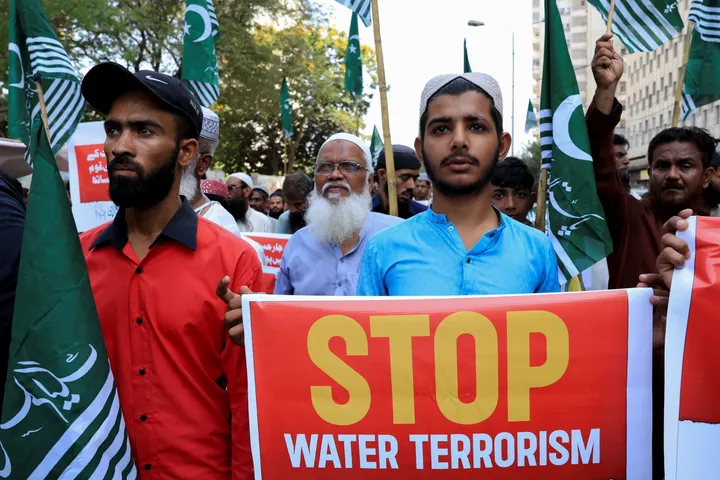
But after the Pahalgam attack in April 2025, the Modi government breached another red line by placing the 1960 Indus Waters Treaty in abeyance.
This World Bank-brokered treaty ensured the sharing of the waters of six rivers between Pakistan and India. In the past, the treaty had been held despite all the wars and conflicts.
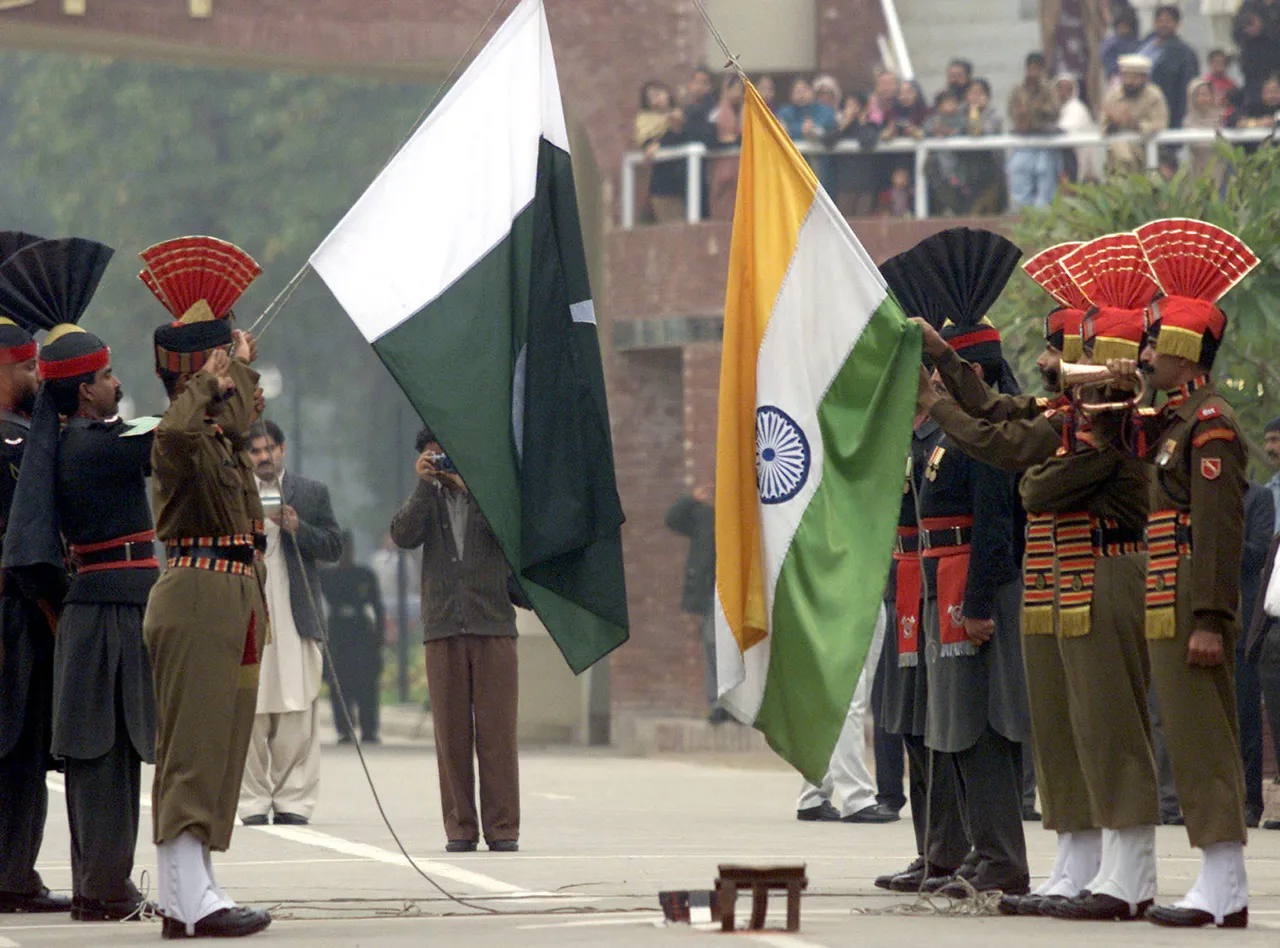
But Modi changed the rules of the game with his mantra that “blood and water cannot flow together”, infusing a new element in the growing list of disputes between the two sides.
For Pakistan, the flow of water from three rivers earmarked for it by the World Bank remains a matter of existence. The Pakistani leadership has repeatedly said that the blocking of water by India would be considered an act of war and responded as such.
The issue of the Indus Waters Treaty has all the potential to snowball into another conflict, albeit at a wider scale.
Hindutva as foreign policy
However, Modi’s strategy of brinkmanship remains in line with his broader Hindutva politics, which is anti-minorities, especially anti-Muslim, on the domestic front and anti-Pakistan on the external one.
This hardline Hindutva approach leaves little room for a climbdown and de-escalation, making the leadership hostage to its own rhetoric.
Under Modi, the nature of the Pakistan-India conflict has also drastically changed. It is no longer confined to skirmishes and battles mainly along the so-called line of control – the temporary border that divides Kashmir – or the international border.
Now India has lowered the threshold of conflict in response to any alleged attack by the non-state actors in Kashmir by carrying out attacks deep inside Pakistan by crossing the international border – as happened on February 26, 2019, at a limited scale and then again during the May 2025 conflict.

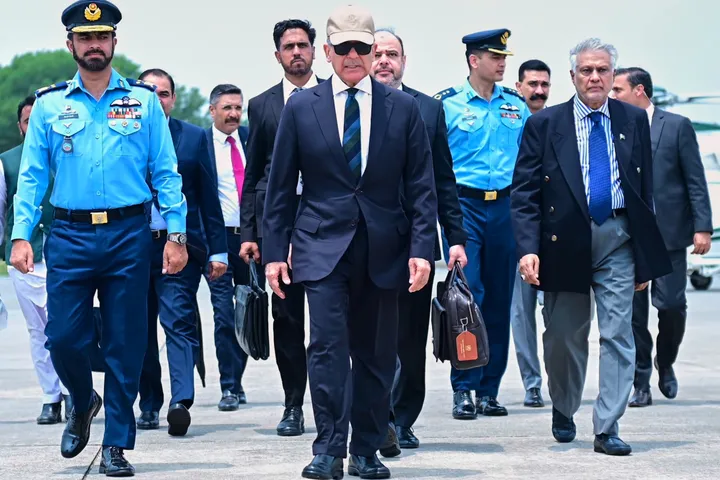


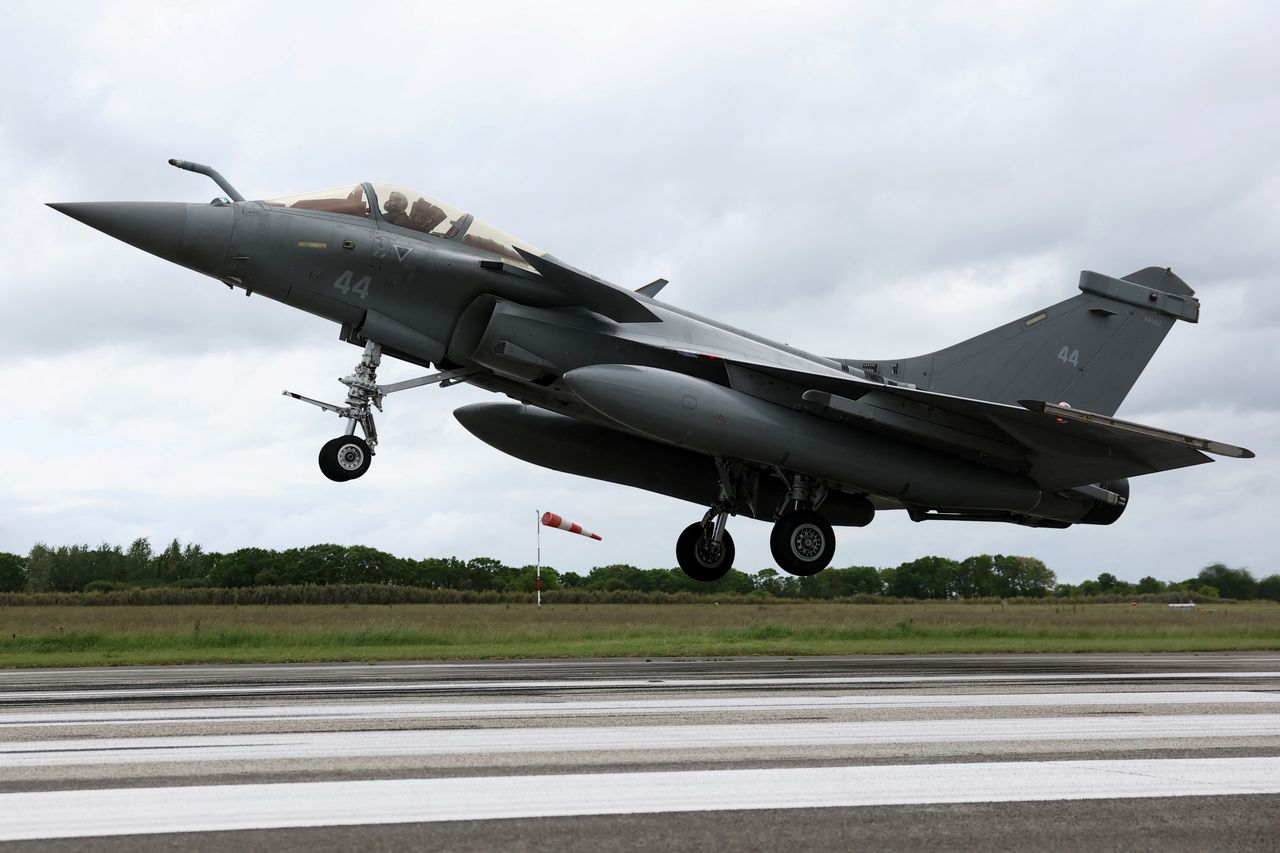
While the February 2019 attack was more of a symbolic nature, the May 2025 conflict was much bigger, during which the Indian military targeted civilian areas deep inside Pakistan in the name of targeting the terrorist infrastructure.
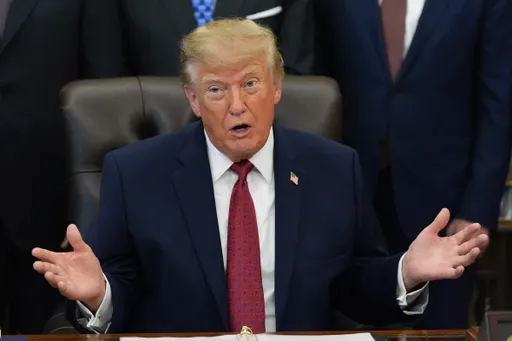
The 2025 conflict involved missile and drone strikes, aerial combat, and multi-domain operations by the two nuclear-armed powers. A slight miscalculation from any of the sides could have resulted in a nuclear catastrophe – a fact that has been repeatedly underlined by the US President Donald Trump.
This possible scenario was averted due to US intervention in the wake of reports of the downing of more than half a dozen Indian combat aircraft, including top-of-the-line French-made Rafale.
Though India officially rejects any third-party involvement in facilitating the ceasefire or even the downing of its aircraft, President Trump’s assertion and Pakistan’s acknowledgement of his role in defusing the situation contradict the Indian position.
However, beyond the official victory claims from both sides, the conflict exposed their military capabilities, strategic limitations, economic vulnerabilities, and ongoing challenges to reconciliation.
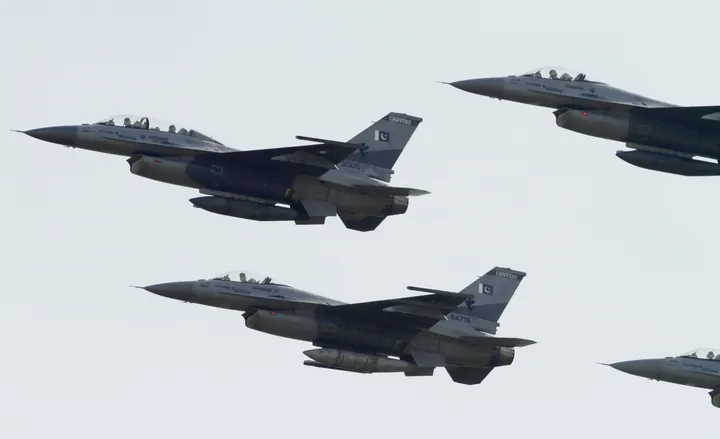
India upped the ante by its willingness to strike deeper into Pakistan. On its part, Pakistan effectively employed Chinese-supplied systems, especially in beyond-visual-range combat, with confirmed reports of Indian aircraft losses. Pakistan's response demonstrated its ability to hit back.
All through this brief conflict, the shadow of nuclear weapons lurked. There was nuclear signalling as Pakistan convened its Nuclear Command Authority. However, Islamabad stuck to its policy of restraint, which was bolstered by external pressure in defusing the situation.
Lessons learnt?
This brief conflict, however, also showed that a longer war could have catastrophic costs – both human and economic.
India — with its $4 trillion-plus GDP — could better absorb the shocks of war but would have to pay the economic price in the form of disrupted trade, investor flight, and massive military expenditure.
The war is a bigger challenge for Pakistan’s fragile economy, hit by inflation, low growth and a massive debt burden.
That’s why Pakistan would seek an intense but short conflict to inflict maximum pain on India in the shortest possible time, while using its nuclear weapons to shield against a prolonged war.
But the brinkmanship from both sides has massive risks and humanitarian costs.
The latest conflict underlines the fact that a durable peace in South Asia would remain elusive until the core dispute of Kashmir is resolved in line with the UN resolutions.
The newly created issue of the Indus Waters Treaty by India is also tied to the broader Kashmir problem, but this needs to be addressed on a war-footing to prevent the eruption of renewed hostilities.
Any possible water war would have disastrous implications for the region. The only way to prevent Armageddon is to return to the World Bank-brokered treaty in letter and spirit.
Going forward, any normal and meaningful diplomatic engagement would require New Delhi to restore the statehood of the India-administered part of Kashmir to the pre-August 5, 2019 position.
By breaching one red line after another, New Delhi has closed the doors of normal diplomatic engagement with Pakistan.
Only the resumption of normal diplomacy would lead to the revival and expansion of confidence-building measures, including adherence to the ceasefire at the LoC, military-to-military dialogues, trade, and people-to-people contacts. The two countries also need to address one another’s concerns about terrorism.
The wish list can be expanded, but with positions hardening on both sides, there appears to be little chance of a diplomatic breakthrough in the near future.
For now, the gloves are off.