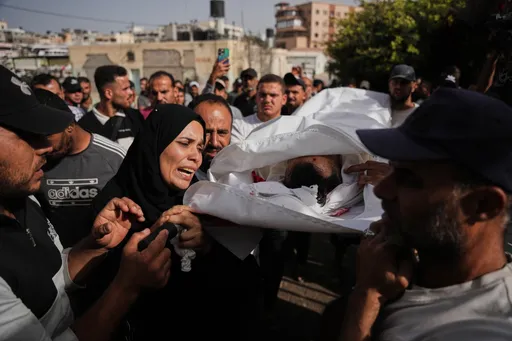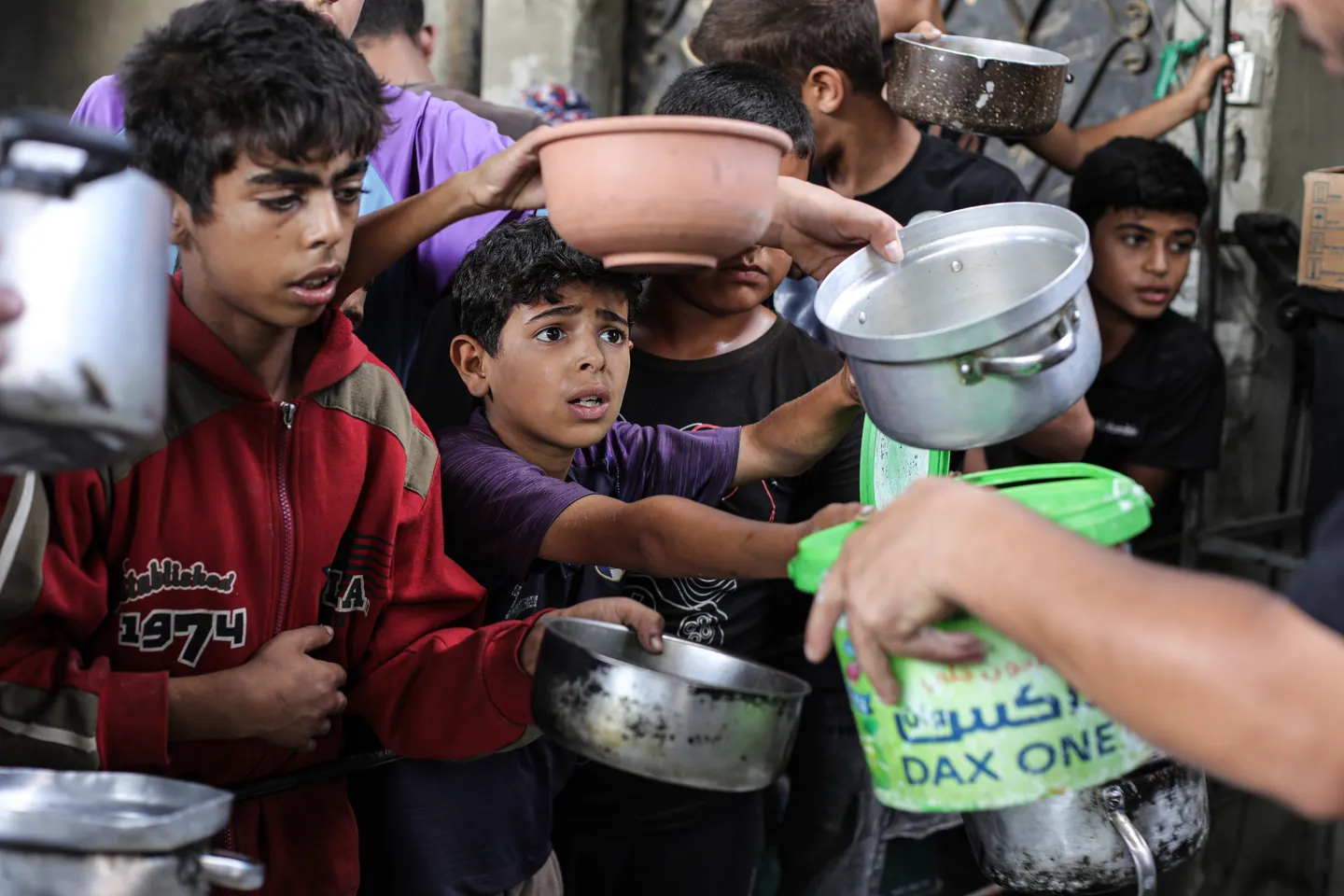
At least 466 Palestinians, including 157 children, have died from malnutrition and starvation since 2024, Gaza's health ministry has said, as the UN confirms acute malnutrition remains a risk.
The figures were released on World Food Day, observed annually on October 16.
At least 189 elderly people died of starvation, representing 40.5 percent of the deaths, it said.
In August 2025, the UN declared famine in Gaza. More than 1.4 million Palestinians are expected to face crisis-level food insecurity or worse through the end of 2026, the ministry added.
Meanwhile, a new UNICEF report has confirmed that while the ceasefire since October has allowed more humanitarian aid and commercial supplies to enter, acute malnutrition remains a risk.
The report said progress in pushing back the threat of famine, confirmed by a global food security monitor in August last year, had been achieved through a scaled-up food and nutrition response, the easing of restrictions on the entry of food and nutrition supplies, and the ceasefire.
However, those gains remain fragile, it said.
“Acute malnutrition rates have fallen, but only one in three children under the age of two is currently achieving minimum dietary diversity,” the report stated.
“We can't go back to a situation where children and families are not getting all the supplies, goods, and services that they require,” UNICEF spokesperson Ricardo Pires told reporters in Geneva.
Starvation as a weapon
Israel has used starvation as a weapon during the genocide in Gaza since October 2023, according to Palestinians and rights organisations.
Israel tightened restrictions on crossings in March 2025, preventing thousands of aid trucks waiting at border crossings from entering the enclave.
The restrictions followed widespread hunger in northern Gaza caused by the blockade and limits on food and relief supplies, forcing some residents to eat animal feed and wild plants.
In late May 2025, Israel allowed 87 aid trucks to enter Gaza for the first time after 81 days, according to Gaza’s government media office.
Aid later continued to enter on a limited and intermittent basis under strict restrictions until February 2026, when Israel allowed a limited increase in the number of trucks entering the enclave under a ceasefire agreement.
Palestinian officials said the shipments still lacked sufficient quantities of essential food items.








According to Gaza’s government media office, Israel has allowed in only about 34 percent of the humanitarian aid trucks agreed upon.
Malnutrition reaches 'catastrophic levels'
“Malnutrition and starvation rates in Gaza have reached catastrophic levels that are killing children, the elderly and vulnerable groups,” the health Ministry said.
More than 1.4 million Palestinians, around 67 percent of Gaza’s population, are expected to face crisis-level food insecurity or worse through the end of 2026.
More than 158,000 cases of acute malnutrition were recorded among children under 5 from 2024 through August 2026, the ministry added.
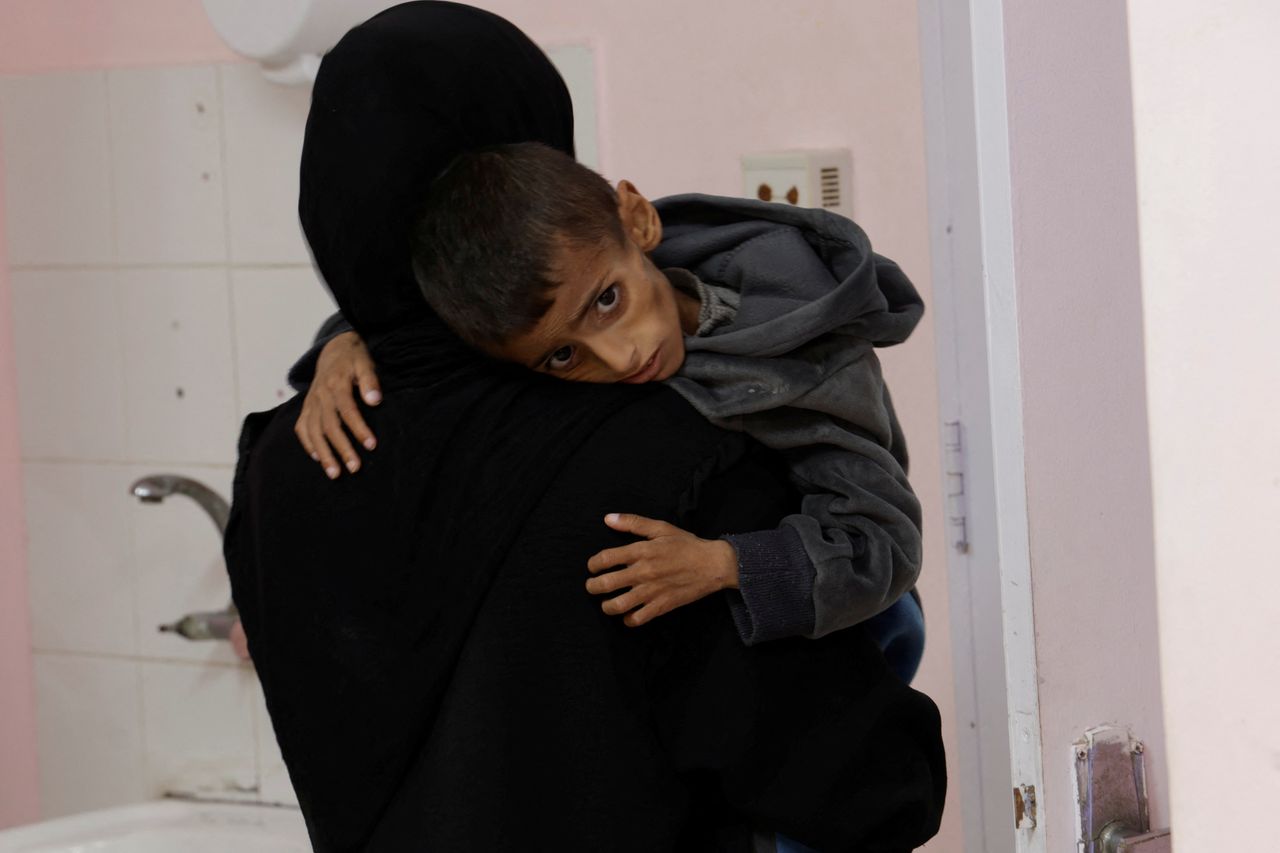
Of them, 18 percent of children were suffering from severe acute malnutrition that threatened their lives, while 12.2 percent of children were affected by stunting, indicating the impact of food shortages on their development.
The mortality rate among children under 5 rose from 13.6 to 33.4 deaths per 1,000 live births between 2022 and 2025, the ministry said.
It estimated that 74,200 children will need treatment for acute malnutrition through April 2027.
Pregnant women
Among pregnant women, the ministry said the prevalence of anaemia rose to 61% in 2026, compared with 41 percent before the war.
“Around 4,000 pregnancy losses were recorded during the first half of 2026, more than three times the number recorded during the previous six months,” it added.
“One in three pregnancies in Gaza is now classified as high-risk,” the ministry continued.
“The figures show that the health consequences of the food crisis are increasingly affecting mothers and unborn children, in addition to children,” it said.
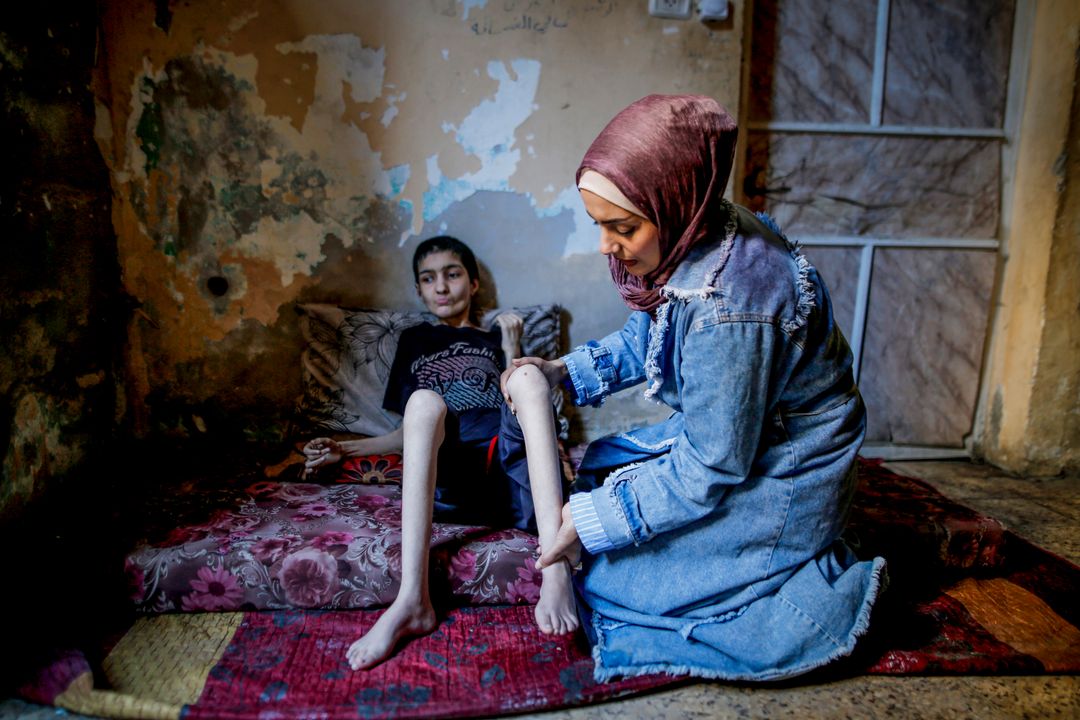
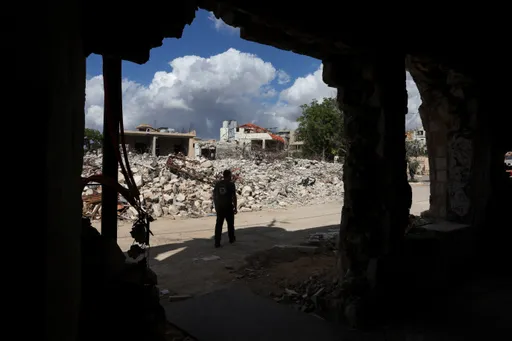
The figures come amid the humanitarian consequences of Israel’s genocide in Gaza, which has caused widespread destruction to infrastructure, health facilities and food production sources.
The war has also damaged farmland, food production facilities and water networks, undermining residents’ ability to meet their basic needs locally.
Repeated displacement, loss of income and soaring prices have further increased families’ dependence on humanitarian aid, while access remains irregular.