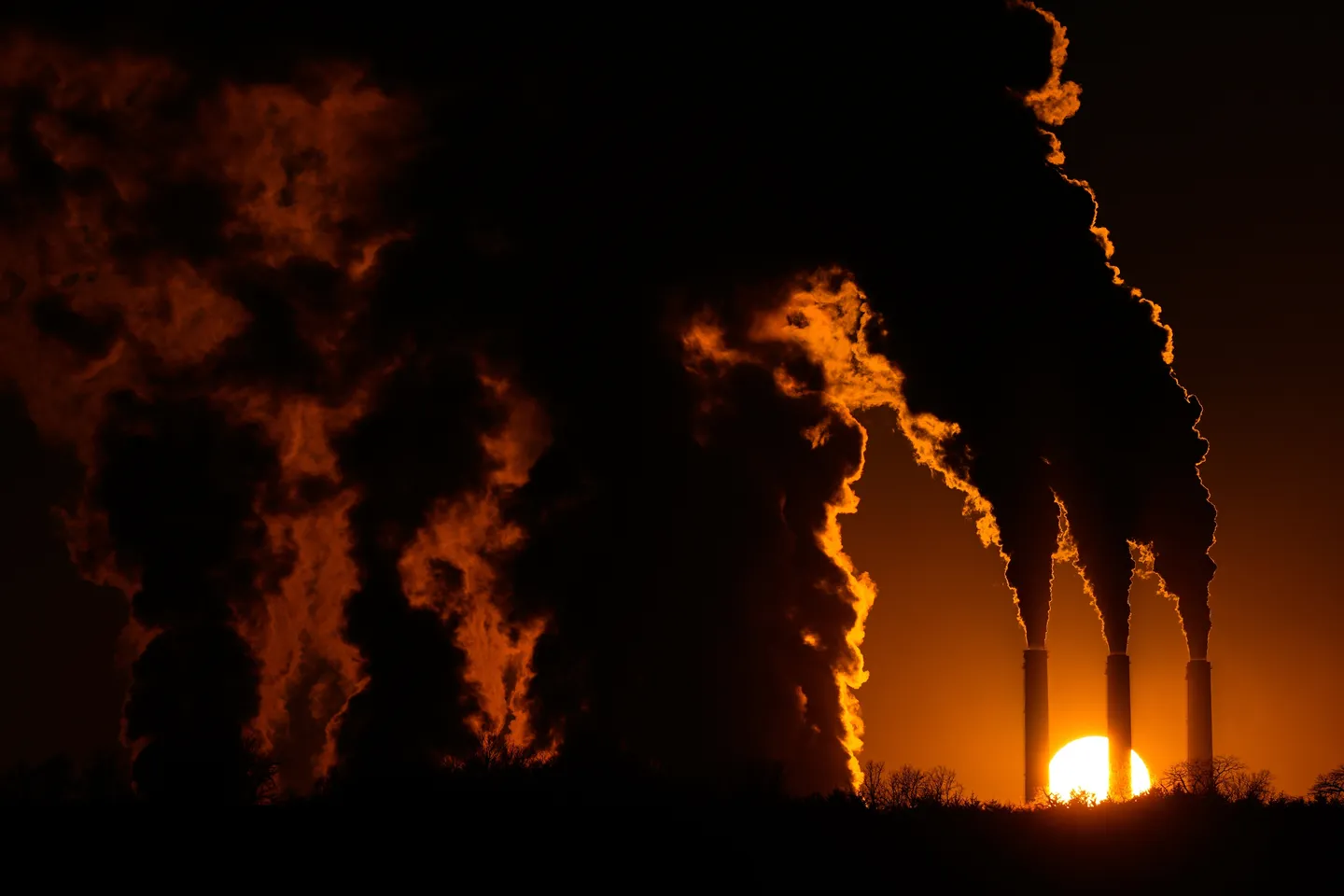
Current climate pledges would cut global greenhouse gas emissions by only 11 percent to 15 percent by 2035, far short of the 45 percent reduction needed to help bring warming back below 1.5°C by the end of the century, the UN Environment Programme (UNEP) warned Wednesday.
In its Emissions Gap Report 2026, UNEP said emissions must fall 18 percent by 2030, 45 percent by 2035 and 69 percent by 2040 from 2025 levels to limit peak warming to around 1.7°C-1.8°C before potentially returning to 1.5°C or below by 2100.
However, fully implementing countries' existing climate pledges would cut emissions by only 5 percent to 8 percent by 2030 and 11 percent to 15 percent by 2035.
The report found that current climate policies could lead to 2.8°C of global warming this century, while fulfilling all national climate commitments would limit warming to 2.6°C.
Even meeting additional net-zero targets alongside national climate commitments would limit warming to only 2.1°C, according to UNEP.
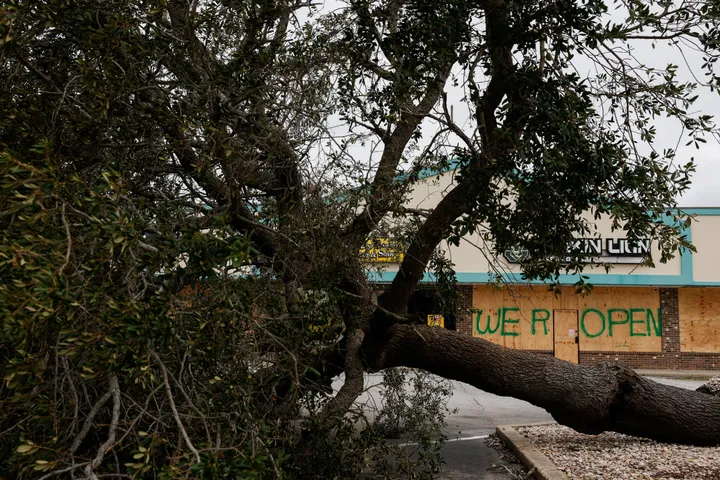
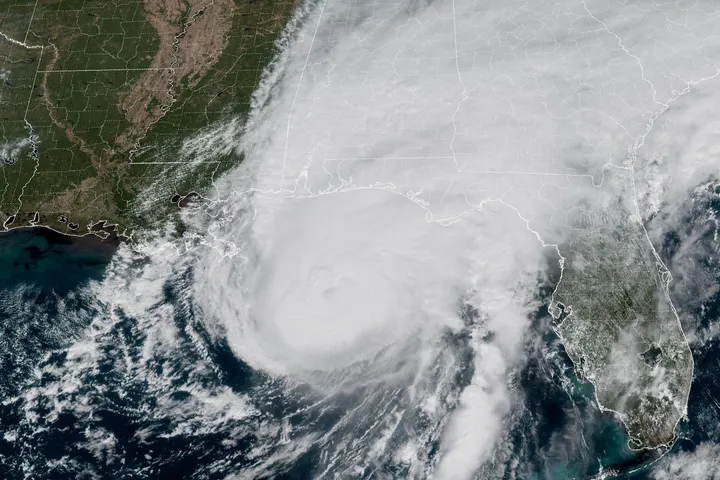
"Every additional fraction of a degree and additional year of warming above 1.5°C increases climate impacts and risks, such as the deadly floods, heatwaves and wildfires that have plagued many nations this year," UNEP Executive Director Inger Andersen said in the report.






UN Secretary-General Antonio Guterres stressed that exceeding the 1.5°C threshold does not mean abandoning efforts to reverse warming.
"Overshoot is not surrender. We can still keep it as small and as short as possible — and bring temperatures back below 1.°C degrees by the end of the century," he said.
The report also found that returning to 1.5°C would require removing and permanently storing approximately 320 gigatonnes of carbon dioxide from the atmosphere this century, a task facing significant technological and economic challenges.
Despite the warnings, UNEP noted that renewable energy expansion and climate policies have already reduced emissions in several countries.
"It is now up to nations to urgently put in place policies that spark fast, deep and sustained emissions reductions, and put the world on track for a more stable climate and more stable economies and societies," Andersen said.
The report warned that without urgent action, keeping peak warming below 1.7-1.8°C "will quickly become impossible."