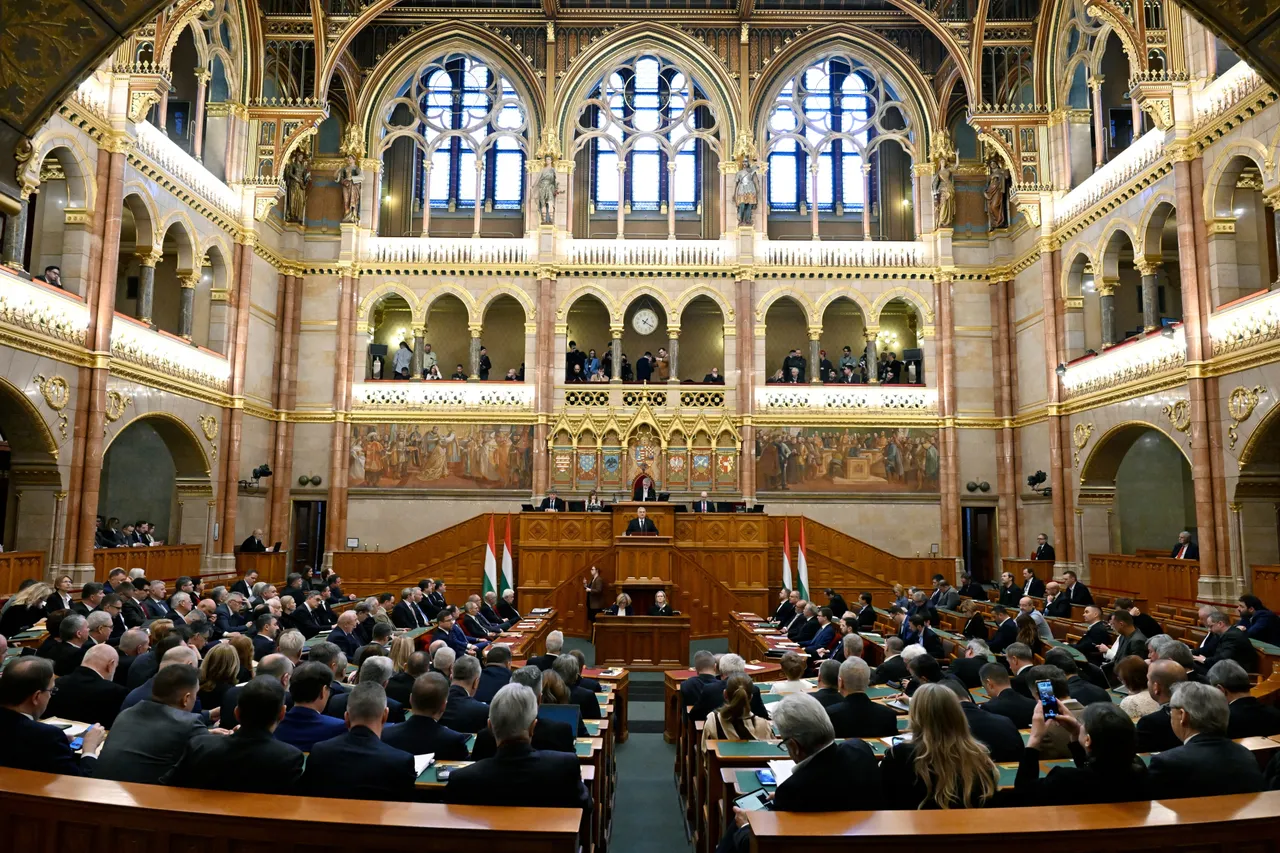
Hungary’s parliament has adopted a resolution opposing Ukraine’s membership in the European Union, warning that admitting the war-torn country could draw the bloc directly into the conflict with Russia.
The measure passed in the National Assembly with 142 votes in favour, 28 against, and four abstentions, according to government spokesperson Zoltan Kovacs.
“The resolution calls on the government to support international peace efforts, avoid sending money or weapons to Ukraine, and prevent both Hungary and the EU from being drawn into the war,” a statement by Kovacs read.
Lawmakers said Ukraine’s accession should not proceed while the country remains at war, arguing that membership could risk making the EU a direct participant in the conflict.
The resolution calls on the Hungarian government to oppose the launch of substantive accession negotiations and to reject Ukraine’s future entry into the bloc.
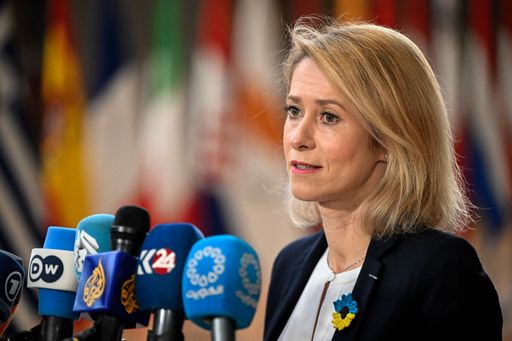
The statement also criticises continued financial and military support for Kiev. It notes that the EU has already provided about $225 billion in aid to Ukraine since Russia’s full-scale invasion began in 2022 and warns that Ukraine’s potential share of the bloc’s next seven-year budget could exceed $419 billion.
Hungarian lawmakers said such spending could reduce funding available for existing member states through cohesion and agricultural programs.
The resolution urges the government to support international peace efforts and avoid sending additional financial or military assistance to Ukraine. It also calls on Budapest to resist initiatives that would transform the EU into a military alliance and to oppose attempts by EU institutions to bypass the bloc’s unanimity rule in decision-making.
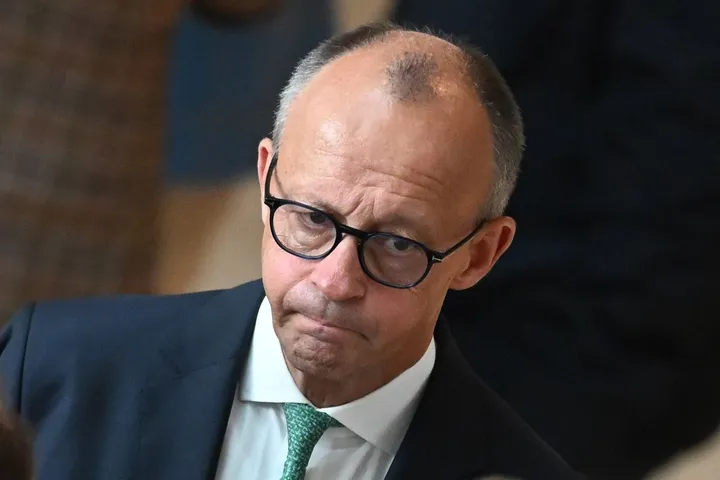
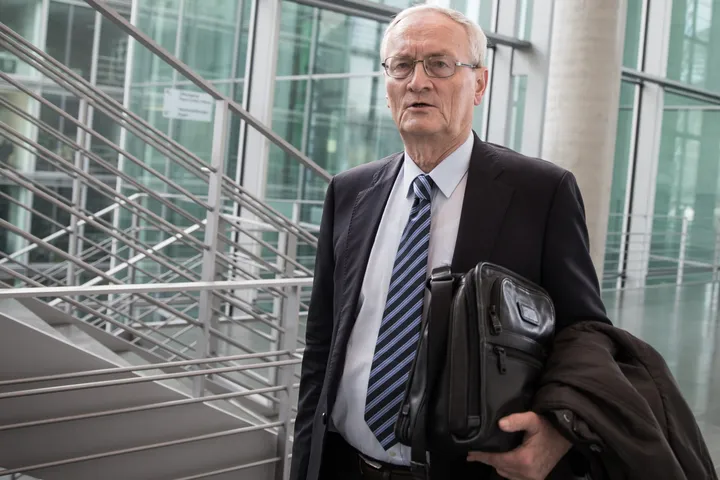



The vote comes amid escalating tensions between Budapest and Kiev over energy supplies.
Hungarian Prime Minister Viktor Orban recently urged Ukrainian President Volodymyr Zelenskyy to restore oil shipments through the Druzhba oil pipeline, one of the world’s largest pipeline networks transporting Russian crude to Central and Eastern Europe.
In an open letter, Orban accused Ukraine of blocking the pipeline, also known as the Friendship Pipeline, and warned that the disruption threatens Hungary’s energy security.
Ukraine has said shipments were interrupted following an attack on January 27, but Hungarian and Slovak officials have accused Kiev of deliberately delaying the pipeline’s restart to gain political leverage against Russia.
Orban has warned that Hungary could take further retaliatory steps. Speaking on state radio, he said Budapest had already halted gasoline and diesel deliveries linked to Ukraine and could block additional measures if oil transit is not restored.
Hungary relies heavily on Russian crude transported through Ukrainian territory via the Druzhba pipeline, and the dispute has added strain to relations between the two countries as the war continues.
Budapest has also threatened to block a proposed $105 billion EU financial package for Ukraine, saying it will not support additional funding while its energy interests are under pressure.