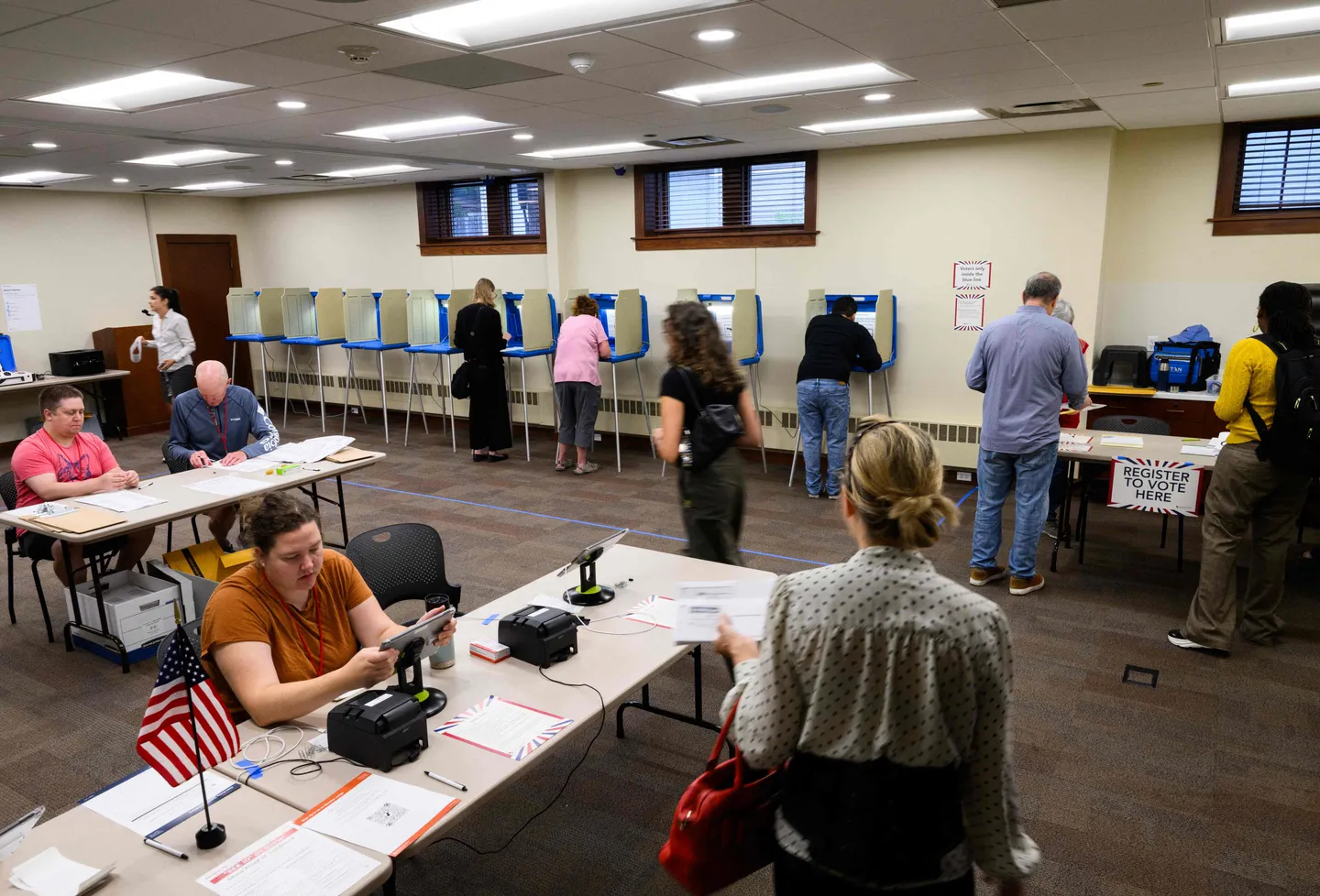
Democratic voters across several US states are heading to the polls in another test of whether the party's progressives or leftists can extend a run of primary victories into races that could help decide control of Congress in November midterms.
The most consequential contest on Tuesday is in Minnesota, where progressive Lieutenant Governor Peggy Flanagan faces congresswoman Angie Craig for the Democratic nomination to replace retiring Senator Tina Smith.
Flanagan has the backing of Smith and prominent left-wing senators including Bernie Sanders and Elizabeth Warren, while Craig is supported by Democrats who argue her record winning competitive elections makes her the safer choice for the general election.
"Special interests think they can buy this Senate seat. They've spent $20 million to do it," Flanagan posted on X ahead of polls opening.
"But I have seen what Minnesotans can do when we organize together. So when it comes down to the many or the money, I'm betting on us."
Their clash mirrors a wider argument inside the party over how aggressively to move left as Democrats try to regain Congress.
Immigration enforcement has become particularly charged in Minnesota after the state emerged as a focal point of government’s crackdown.
Flanagan has attacked Craig over her support for the Laken Riley Act, a Republican-backed immigration measure, while Craig has emphasised electability and later expressed regret over her vote.
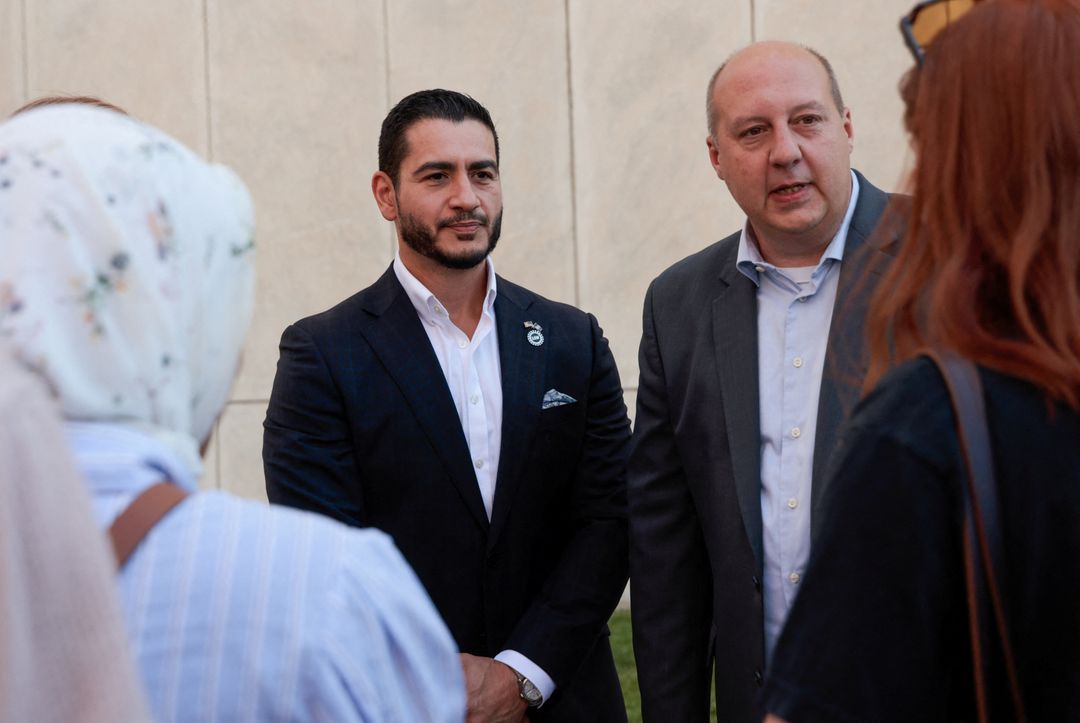
The elections follow Abdul El-Sayed's narrow victory last week over democratic establishment-backed Haley Stevens in Michigan's Democratic Senate primary, which energised progressives but also exposed how unreliable polling can be in low-turnout contests.
Wisconsin race
Wisconsin provides another major test of the left, though in a gubernatorial rather than congressional race.
Democratic socialist Francesca Hong is widely seen as the frontrunner for the party's nomination for governor, despite unease among establishment Democrats and even some leftists over whether she can win a closely divided state in November.







Milwaukee County Executive David Crowley has become the principal moderate alternative, while Sanders and leftist star congresswoman Alexandria Ocasio-Cortez — usually eager to boost insurgents — have notably stayed out of the race.
Hong's candidacy has nevertheless become a symbol of the same leftward pressure that has already toppled established Democrats in New York, Colorado and Michigan.
Republicans have eagerly seized on those victories, with Trump increasingly portraying November's elections as a choice between Republican "common sense" and what he calls socialist or communist extremism.

South Carolina seat
Republicans, meanwhile, have their own test of party loyalty in South Carolina.
Senator Darline Graham, appointed after the death of her brother Lindsey Graham, is seeking the Republican nomination for a full term with Trump's endorsement.
She faces a crowded field including congressmen Ralph Norman and Russell Fry and former governor Mark Sanford, with a runoff later this month considered likely if no candidate reaches 50 percent.
Trump held a telephone rally for Graham on Monday, calling her the "perfect person" to carry on her brother's legacy, but rivals have attacked her lack of political experience and argued that she inherited her position rather than earned it.
"Look, the United States Senate is no place for on-the-job training," Fry said last during a primary debate last week. "I didn't inherit a record. I earned it."
The South Carolina seat is safely Republican, limiting its importance for control of Congress.
The left vs. centre theme is also on display in Democratic primaries in multiple states voting on Tuesday, with other significant race in places like Alabama.
Voters in four of Alabama's seven congressional districts will select US House nominees under a new map that eliminates one of the state's two majority-Black districts currently represented by Democrats.