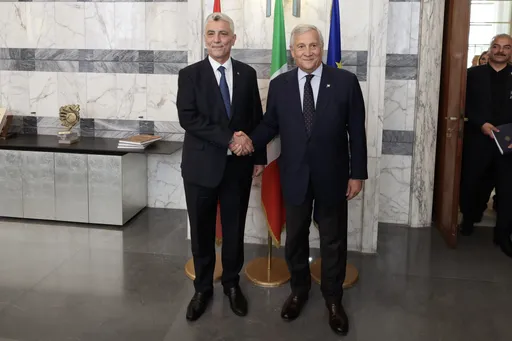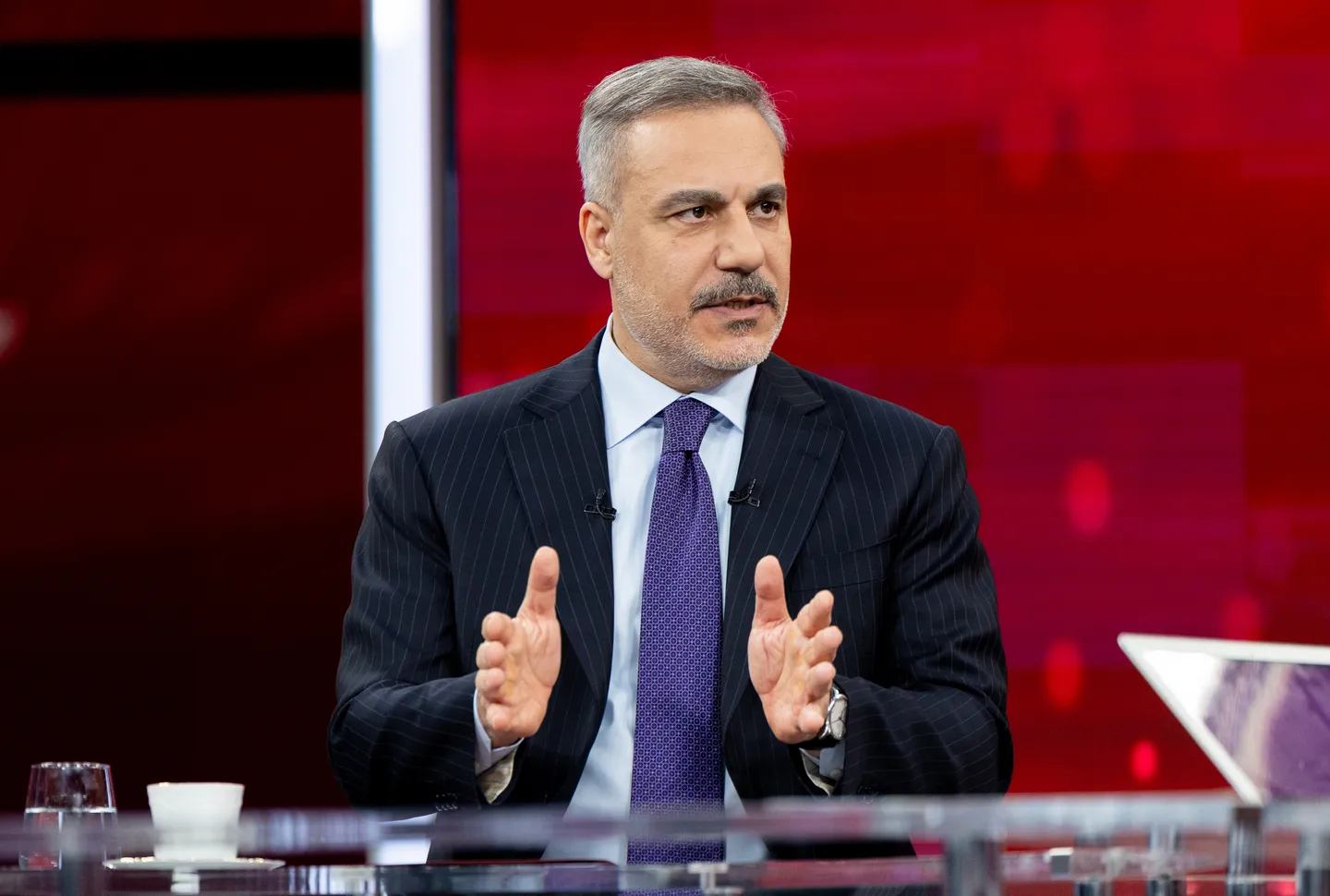
Türkiye's Foreign Minister Hakan Fidan has said Saudi Arabia may have certain military needs stemming from the recent Houthi attacks, and that Türkiye would examine these needs under the Mecca defence pact, and that it was unacceptable for Riyadh to be drawn into the war between the United States and Iran.
Fidan said Saudi Arabia's territorial integrity and sovereignty are under threat amid the ongoing assault by the Houthis, and he stressed that Türkiye stood in solidarity with Riyadh.
Speaking to NTV on Saturday, he said the situation around the Bab al Mandab Strait was becoming increasingly complex, with its economic repercussions now exceeding tolerable levels.
Fidan also said Israel poses a danger not only to the Middle East but to the world.
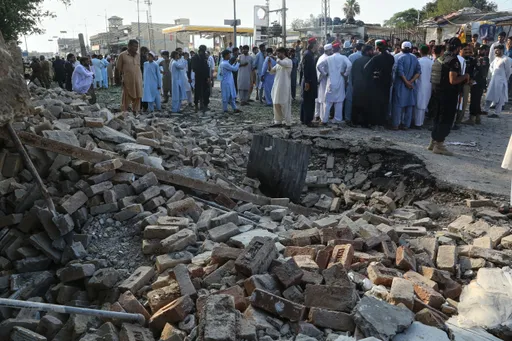
He said Türkiye was observing "very serious attacks" on Saudi Arabia's territorial integrity and sovereignty amid the ongoing assault by the Houthis.
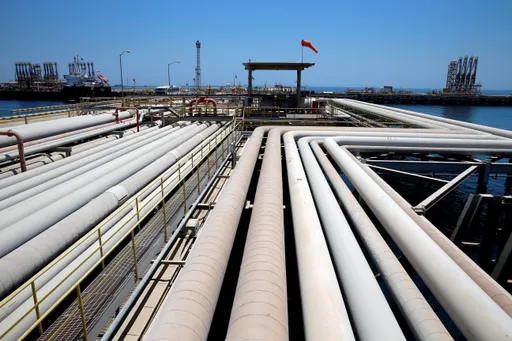
Türkiye condemned the attacks, particularly those targeting oil infrastructure and the holy city of Mecca, Fidan said, adding that Türkiye was monitoring the situation closely within the framework of the Mecca pact.
He said several initiatives were underway to resolve the crisis but that they needed to produce concrete outcomes from the relevant parties.
Separately, Fidan said it was unacceptable for Saudi Arabia to be drawn into the war between the United States and Iran, stressing that Riyadh had no desire to join the conflict.
Ukraine-Russia war
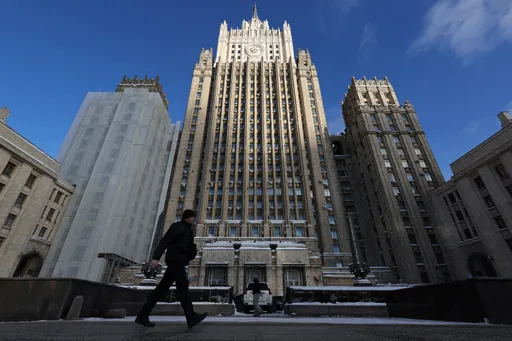
Fidan said Türkiye had sent a proposal to both Kiev and Moscow aimed at ending hostilities in the Black Sea and was awaiting responses from both sides.
He said the immediate priority was resuming the flow of grain out of the region.


Fidan said broader initiatives were also under way to end the war altogether but acknowledged that reaching a lasting solution to the conflict appeared difficult at this stage.
Mecca pact and Middle East tensions
Türkiye, Saudi Arabia and Pakistan signed the defence agreement at a trilateral summit in Mecca on August 7, 2026, pledging to strengthen collective security, deepen defence cooperation and promote peace and stability in the region and beyond.
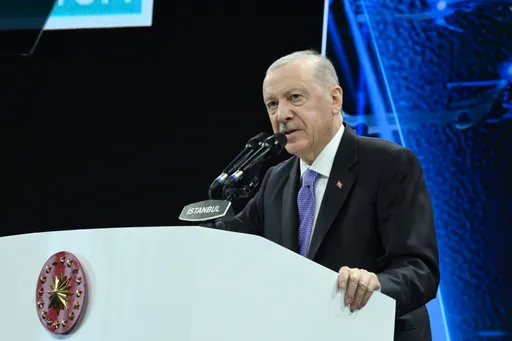
President Recep Tayyip Erdogan called the deal a representation of "a strategic determination" in response to changing regional circumstances, adding that the trilateral mechanism is not a reaction to "day-to-day developments".
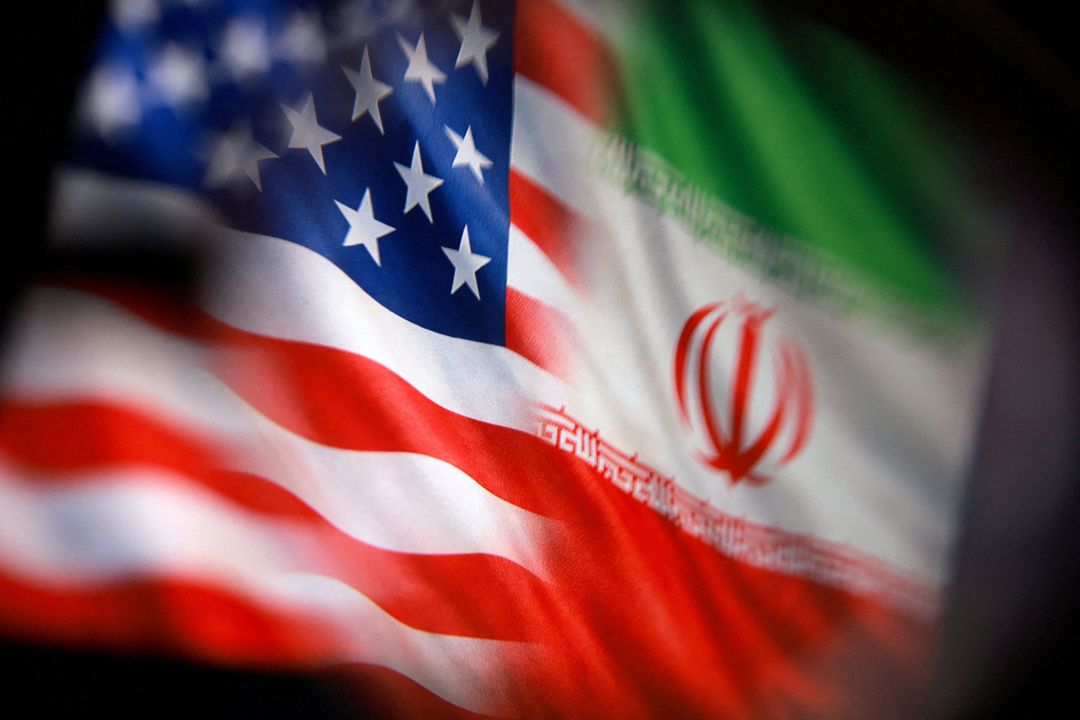
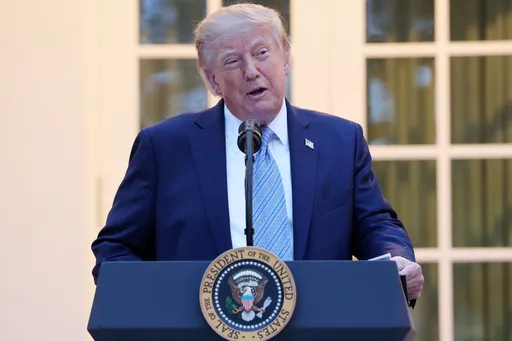
Tensions in the Middle East have heightened after the US and Israel launched large-scale attacks on Iran in February, prompting Tehran to launch missile and drone strikes against US bases across the region.
Pakistan acted as a mediator to defuse tensions, helping reach an agreement between Washington and Tehran in June to end their hostilities.
The deal later faltered amid disagreements between the two rivals over the Strait of Hormuz.
Yemen has been engulfed in conflict since the Houthis seized the capital, Sanaa, and several provinces in September 2014, prompting a Saudi-led Arab coalition to intervene in March 2015 in support of the internationally recognised government.
Fighting between the Houthis and the government forces has reignited after a four-year truce collapsed in July, months into the Middle East war between the United States and Iran.
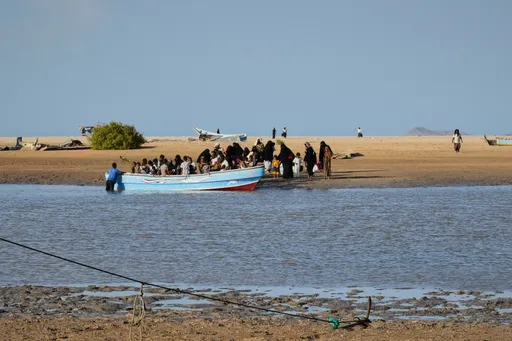
In recent days, hundreds have died in clashes around the Bab al Mandab strait, the mouth of the vital Red Sea shipping route.
The Houthis imposed a naval blockade in July against Saudi Arabia in the Red Sea in response to what they described as a Saudi siege on Yemen, an allegation Riyadh has denied.