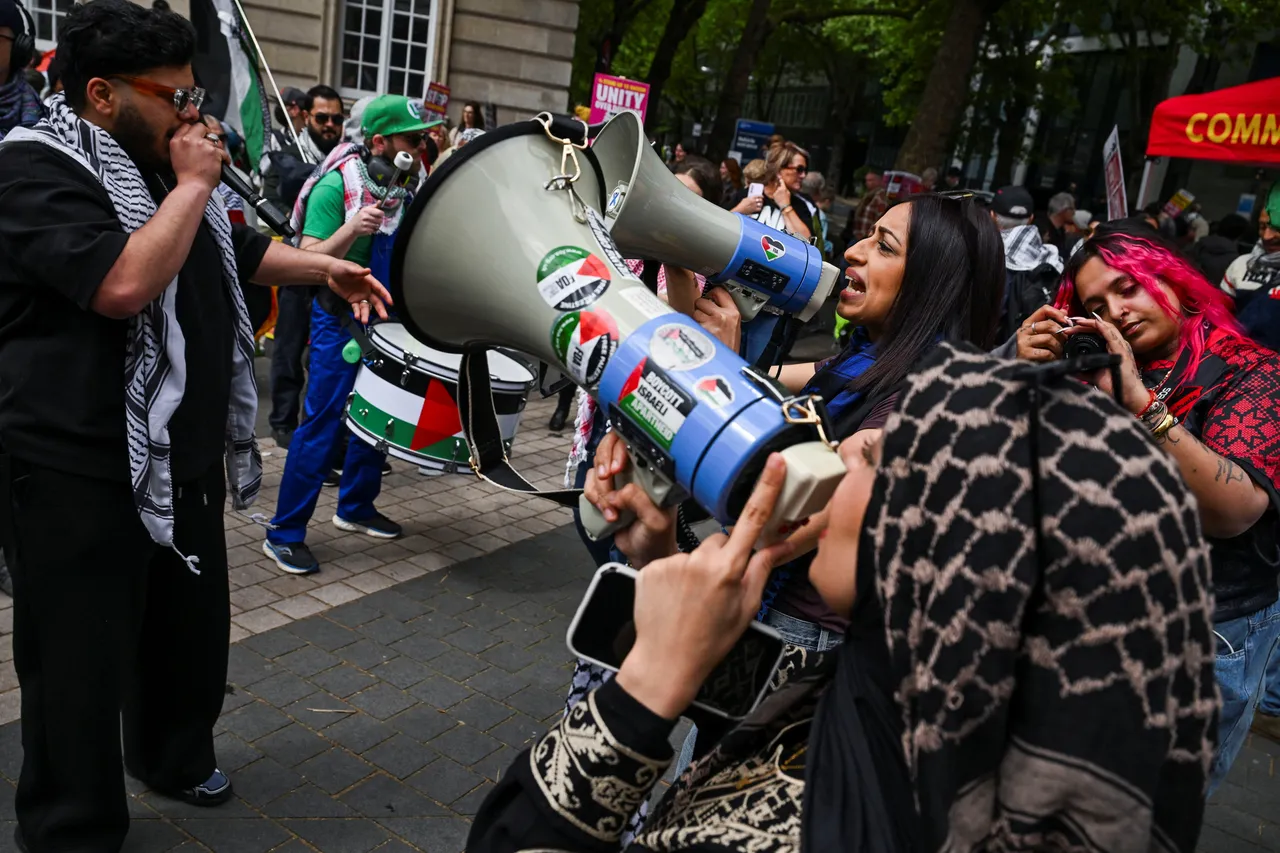
British Palestinians feel unable to speak openly about Israel’s Gaza genocide and fear hostility over displays of Palestinian identity, according to the director of the British Palestinian Committee.
Speaking ahead of Saturday’s Nakba commemoration march in London, Sara Husseini told the Guardian that some people were afraid to wear keffiyehs, Arabic jewellery, or Palestinian symbols at work and in public.
“We have many documented reports of Palestinians and allies being silenced or punished for wearing Palestinian symbols, watermelon pins, or speaking about the genocide,” she said.
“Many colleagues across all kinds of sectors feel they are being gaslit while friends and families are being massacred back home.”
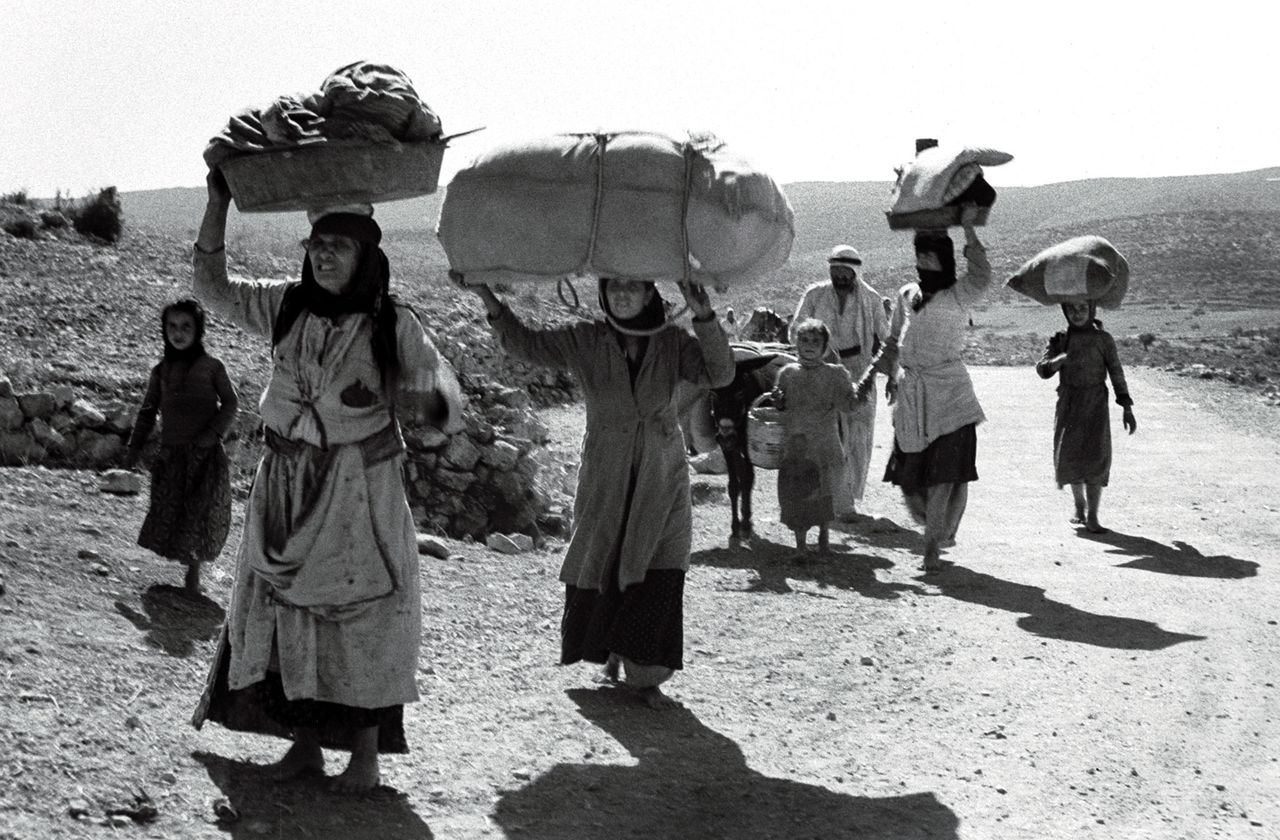
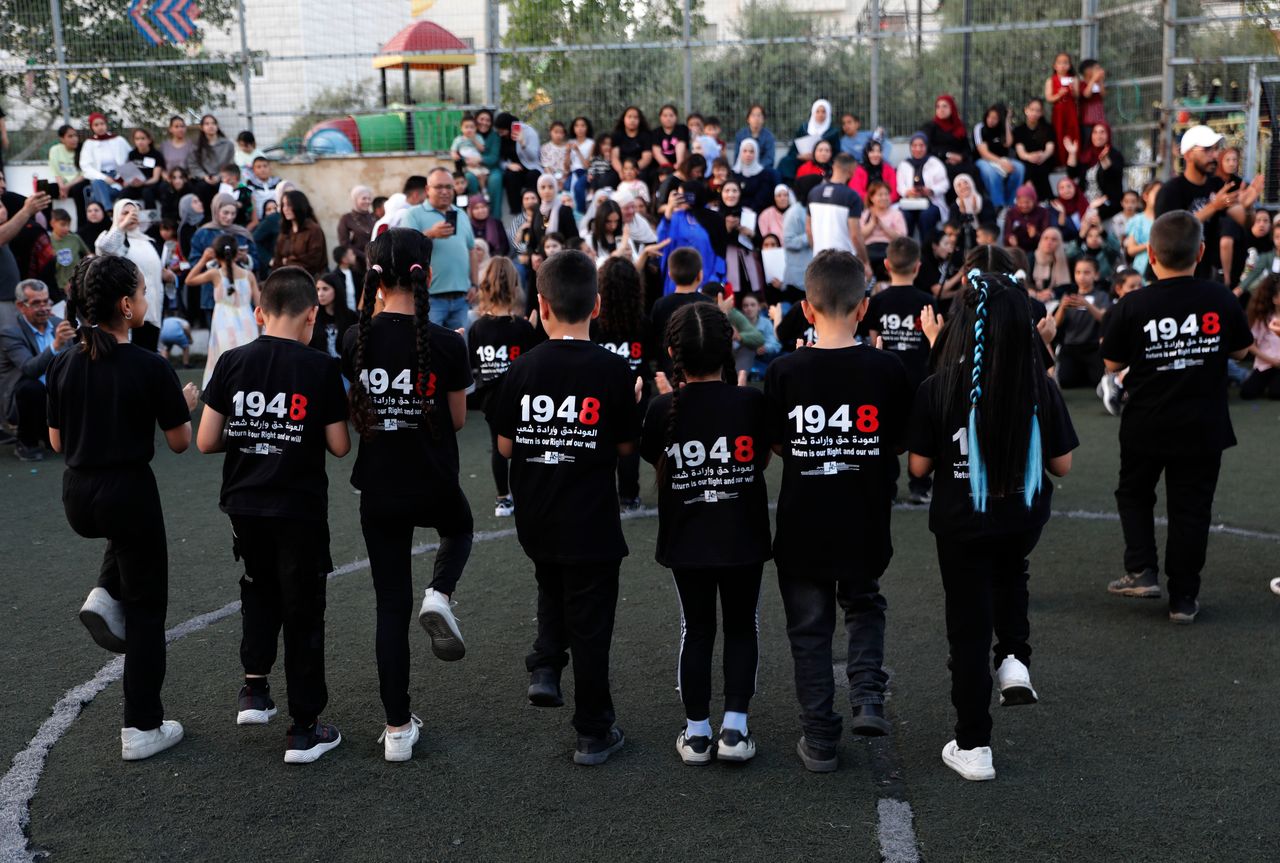
The annual march marks the 78th anniversary of the Nakba, meaning "catastrophe", when hundreds of thousands of Palestinians were forcibly displaced during the creation of Israel in 1948.
Husseini said many Palestinians in Britain felt their grief was being politicised.
“Cruelty is the word I would use, particularly for colleagues who are from Gaza or have family there, knowing these atrocities are being inflicted on their loved ones day in, day out.”
“And then being effectively told: not only are we not going to acknowledge that this is happening to you, but we're also going to disbelieve you, interrogate you, stop you from speaking about it, and if you do speak, we’re going to paint you as the problem,” she added.
Husseini also praised the support shown by demonstrators across the UK.
“We feel a great deal of solidarity from the British public,” she said, describing it as “a protest against the most hateful acts possible: war and genocide".
The Nakba march comes amid calls from some politicians and Jewish groups for tighter restrictions on pro-Palestinian demonstrations.
Husseini rejected claims that the rallies were “hate marches", saying: “That framing is just not right.”
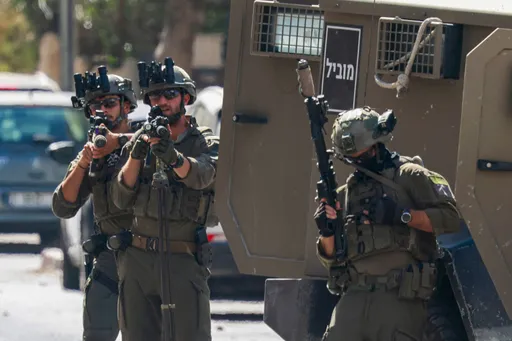
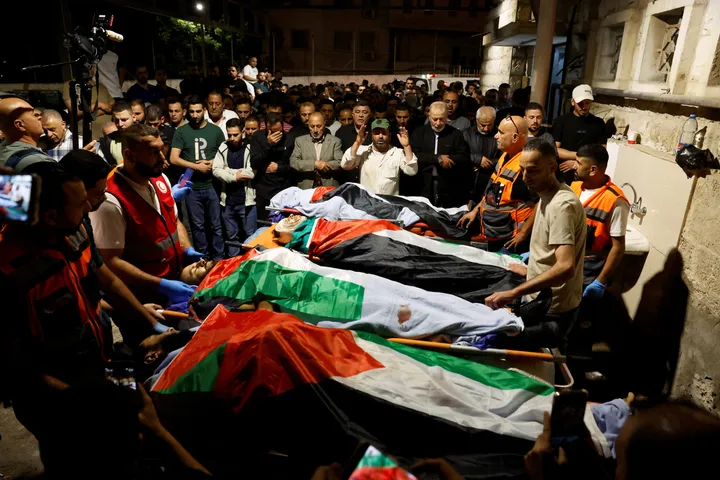
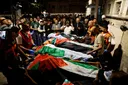
Since the ceasefire agreement took effect in October 2025, the Israeli army has killed around 857 Palestinians and injured 2,486 others through shelling and gunfire in violations of the truce.
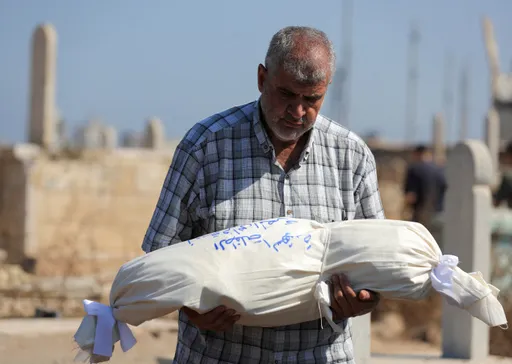
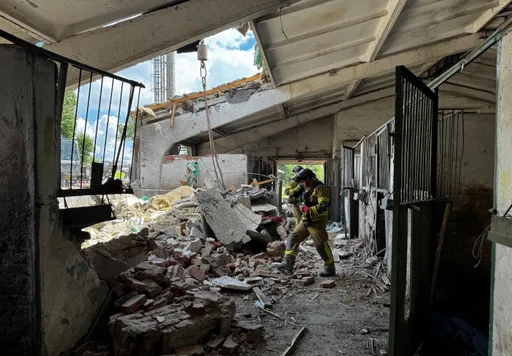
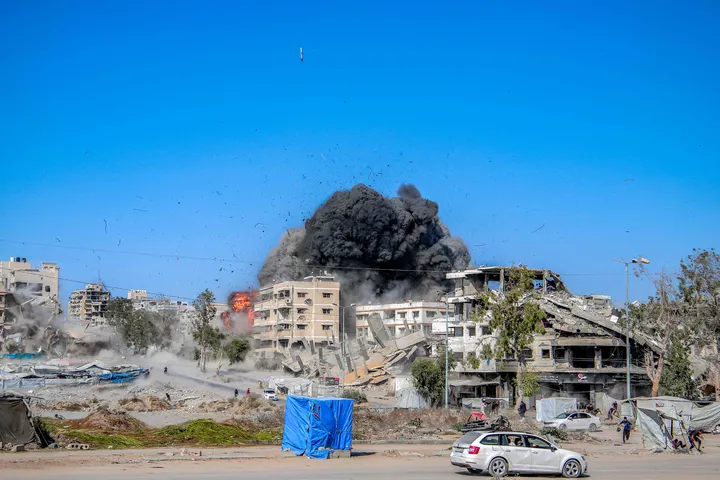
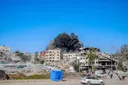
Since October 2023, Israeli attacks in Gaza have killed more than 72,600 Palestinians and wounded over 172,000 others, while causing massive destruction to homes, infrastructure, and vital facilities, in addition to a severe humanitarian crisis driven by siege conditions and shortages of food, water, and medicine.