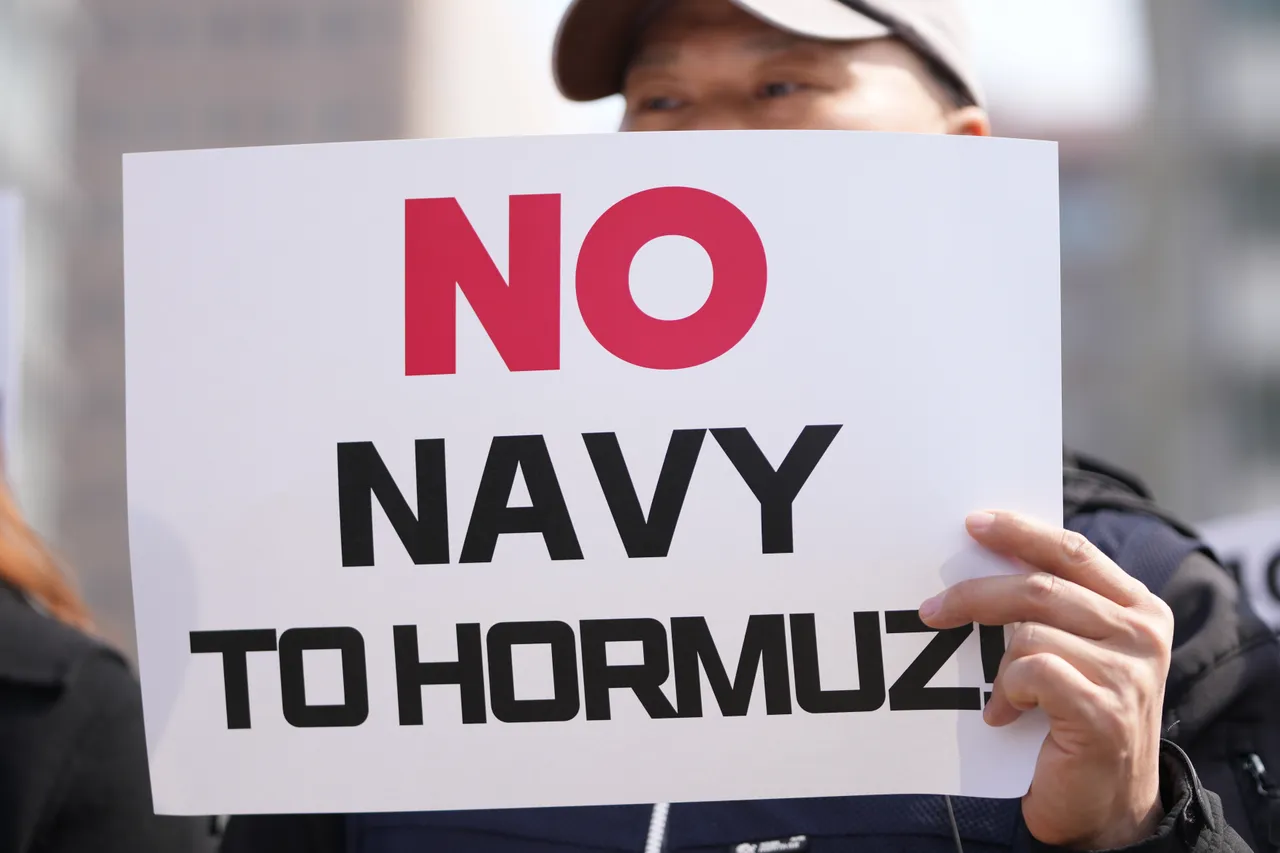
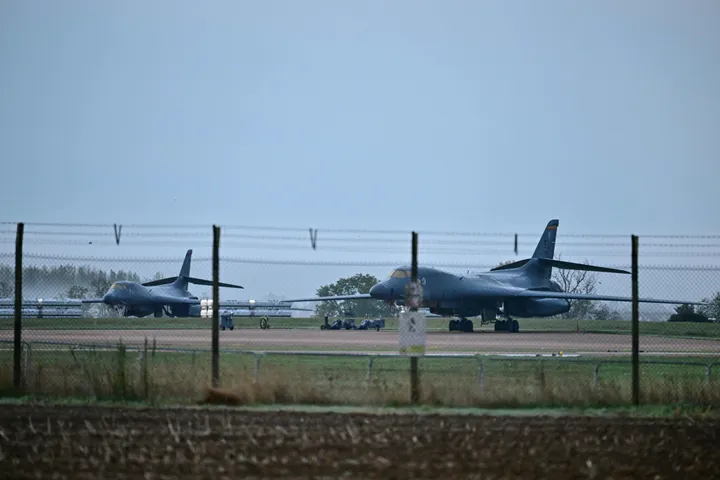
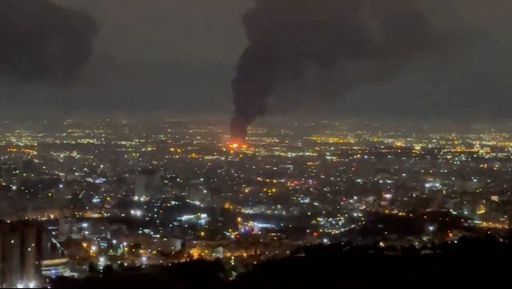
US President Donald Trump called on allies over the weekend to help secure the Strait of Hormuz as Iranian forces continue attacks on the vital waterway amid the US-Israeli war on Iran, now in its third week.
Trump said his administration has already contacted seven countries, but declined to identify them. In an earlier social media post, he said that he hoped China, France, Japan, South Korea, Britain and others would participate.
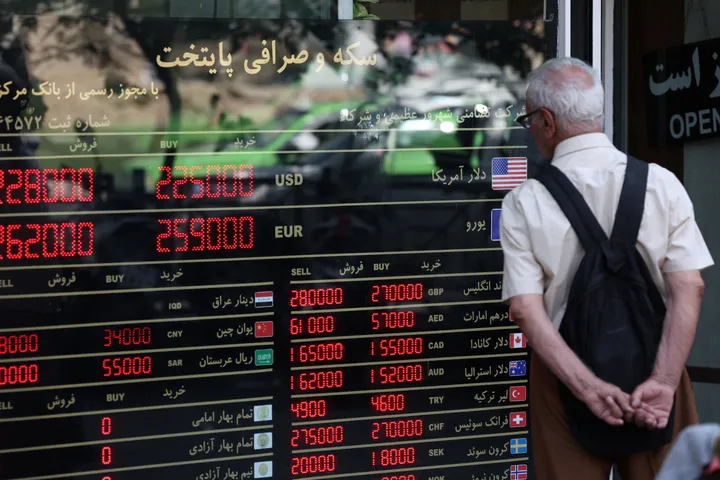
Iran has effectively shut the Strait, a narrow passage of water between Iran and Oman, choking off a fifth of global oil supply in the biggest disruption ever.
Below are how some countries have responded to Washington's call to send ships to the region:
Japan
Japan does not currently plan to dispatch naval vessels to escort ships in the Middle East, Prime Minister Sanae Takaichi said on Monday.
"We have not made any decisions whatsoever about dispatching escort ships. We are continuing to examine what Japan can do independently and what can be done within the legal framework," Takaichi told parliament.
Takaichi will travel to Washington this week for talks with Trump that she said will cover the conflict with Iran.

Australia
Australia will not send naval ships to assist in reopening the Strait of Hormuz, a government minister said on Monday.
"We won't be sending a ship to the Strait of Hormuz. We know how incredibly important that is, but that's not something that we've been asked or that we're contributing to," Catherine King, a member of Prime Minister Anthony Albanese's cabinet, said in an interview with state broadcaster ABC.
South Korea
"We will communicate closely with the US regarding this matter and make a decision after careful review," South Korea's presidential office said on Sunday.
Under South Korea's constitution, overseas troop deployments require parliamentary approval, and opposition figures have said any dispatch of warships to the Strait would need consent from the legislature.
Britain
Prime Minister Keir Starmer said on Monday he would not be "drawn into the wider Iran war" whilst reiterating he was working with allies to reopen the Strait.
"We are working with others to come up with a credible plan for the Strait of Hormuz to ensure that we can reopen shipping and passage through the Strait. Let me be clear, that won't be and it's never been envisioned to be a NATO mission," he told reporters.


European Union
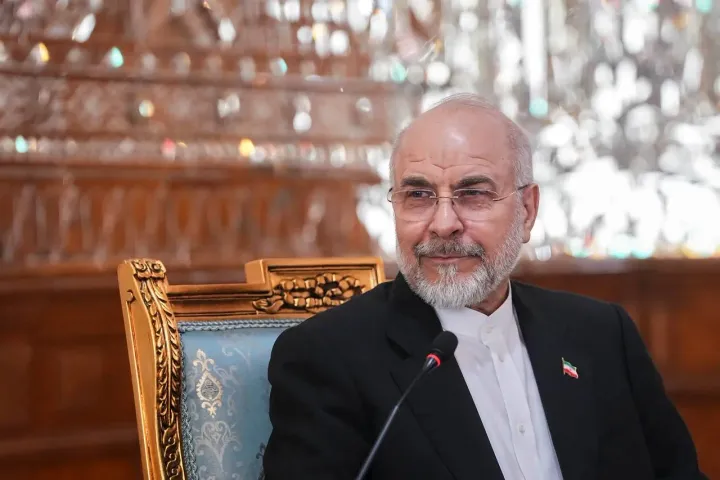
EU foreign ministers will on Monday discuss bolstering a small naval mission in the Middle East but they are not expected to discuss expanding its role to include the choked-off Strait, diplomats and officials say.
The EU's Aspides mission - named after the Greek word for "shields" - was established in 2024 to protect ships from attacks by Yemen's Houthi rebel group in the Red Sea.
Germany
Defence Minister Boris Pistorius said on Monday that Germany would not participate with its military in securing the Strait.
"What does Trump expect from a handful of European frigates that the powerful US Navy cannot do? This is not our war, we have not started it," Pistorius said.
Foreign Minister Johann Wadephul said in an interview with Germany's ARD television on Sunday that he was "very sceptical" that extending Aspides to the Strait of Hormuz would provide greater security.

Denmark
Foreign Minister Lars Lokke Rasmussen said on Monday ahead of the EU ministers' meeting that it would be wise to keep an open mind to this question "as the small country that we are, but a large maritime nation".
Even if Europe did not support the US-Israeli decision to go to war, "we must face the world as it is, not as we want it to be", he told journalists.
Italy
Foreign Minister Antonio Tajani said on Monday that diplomacy was the right way to solve the crisis in the Strait, adding there were no naval missions Italy was involved in that could be extended to the area.

Greece
A government spokesperson said on Monday that Greece would not engage in military operations in the Strait of Hormuz.