As tensions in the Middle East intensify following the US-Israeli strikes on Iran and Tehran’s counterattacks, an unusual proposal once dismissed as implausible has resurfaced in public debate.
The idea that Israel might buy or lease uninhabited islands in Greece as a wartime refuge for civilians is once again attracting attention amid renewed fears about regional escalation and population security.
The proposal was originally put forward in 2022 by Avri Steiner, then a member of the political alliance led by Benny Gantz, Haaretz reported.
At the time, Steiner described the concept as an “Iron Dome for the Jewish people”, referring metaphorically to the missile defence system that “protects” Israel from aerial threats.
In Steiner’s framing, the island plan would serve as a humanitarian and strategic safety mechanism in the event of a major war or national emergency.
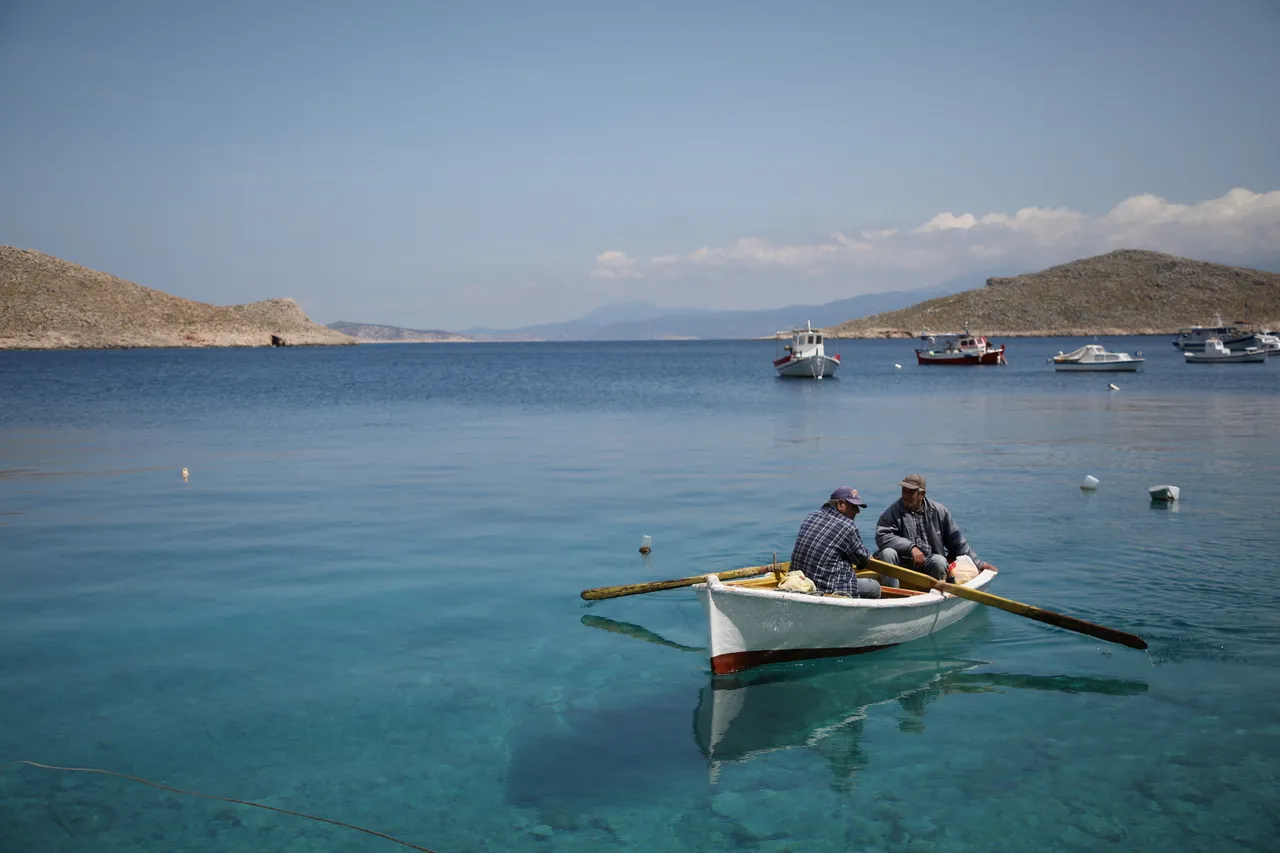
Under the proposal, Israel would purchase or long-term lease approximately 40 uninhabited islands in Greece.
These islands would be developed as temporary evacuation hubs capable of hosting Israeli civilians during large-scale crises such as regional war, missile barrages, or natural disasters.
According to early discussions surrounding the plan, the islands would contain essential infrastructure, including housing, medical facilities, transport links and emergency supply systems.
When the idea first emerged, it was widely ridiculed in Israeli public discourse.
Many commentators and media outlets described the proposal as “surreal”, arguing that the logistical, political and financial obstacles would be enormous.
Questions were raised about sovereignty, the reaction of Greece and the European Union, and the practicalities of relocating large civilian populations overseas during wartime.








For several years, the idea remained on the fringes of Israeli strategic thinking. However, the regional security landscape has shifted dramatically since late 2023, bringing the concept back into discussion.
The fresh escalation has revived fears that Israel’s civilian population is exposed to sustained missile attacks on an unprecedented scale.
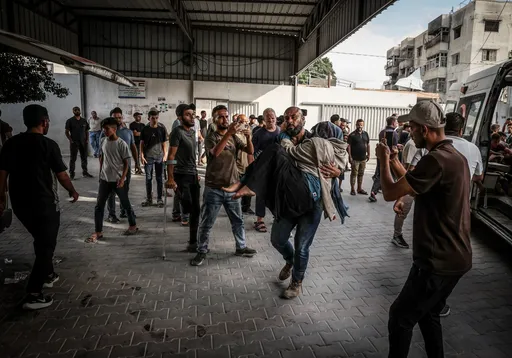
These developments have also unfolded in the shadow of Israel’s Gaza genocide.
The war has already produced major social and demographic consequences within Israel.
Reports indicate that roughly 100,000 Israelis have left the country since the beginning of Israel’s war in Gaza.
This wave of departures has triggered renewed discussion among analysts about the relationship between security shocks and emigration trends in Israel.
Recent academic research on Israeli migration patterns suggests that crises, whether political, economic or security-related, can rapidly accelerate outward migration.
Historically, Israel has experienced periods of emigration during times of heightened instability.
Supporters of Steiner’s island proposal argue that the concept should be viewed not as a permanent relocation plan but as an emergency contingency, a kind of civilian backup system designed to complement military defence mechanisms.