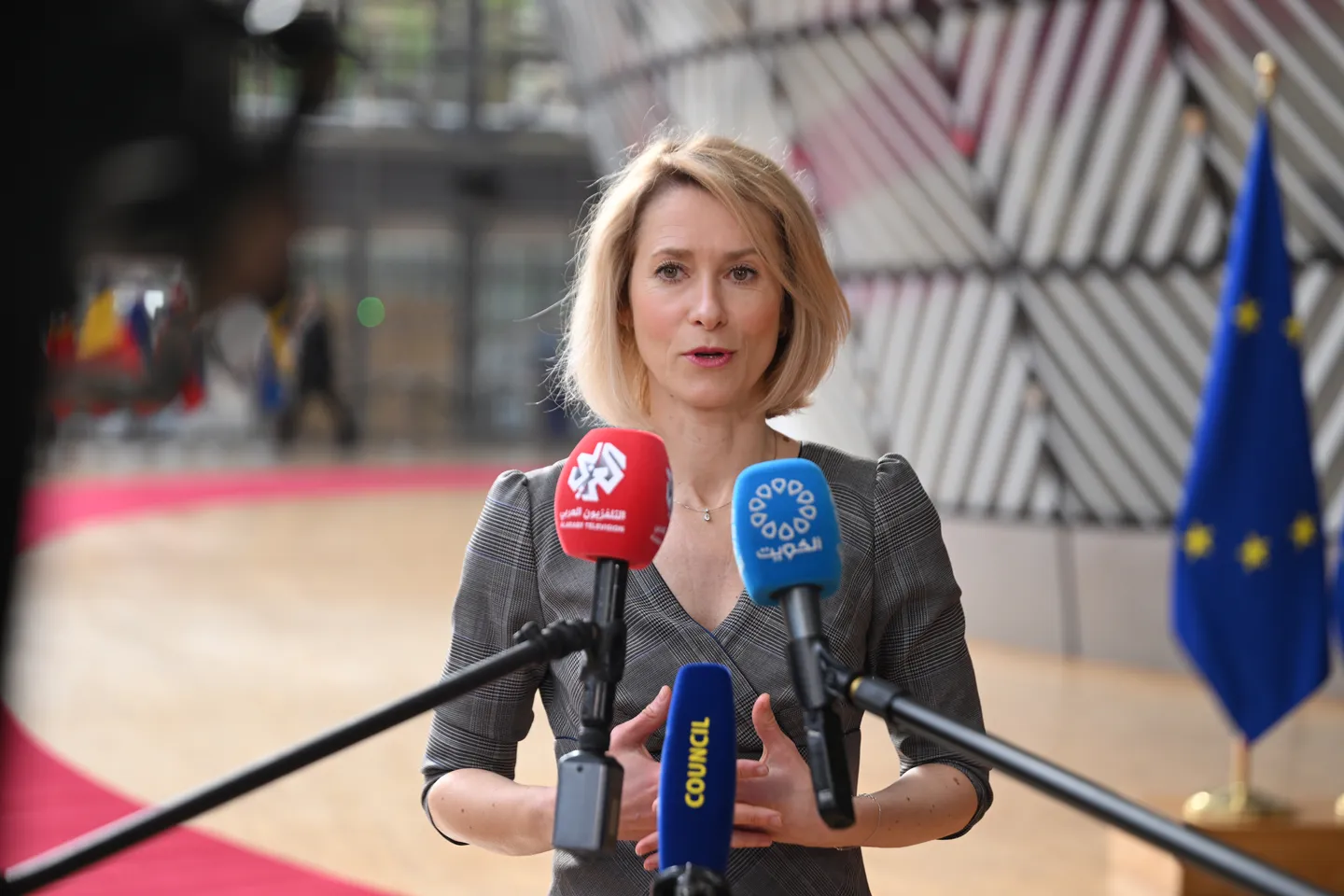
EU foreign policy chief Kaja Kallas has unveiled a proposed new package of sanctions against Russia, targeting banks, weapons manufacturers, oil traders, refineries, and crypto operators in third countries, as the bloc seeks to further weaken Moscow's ability to finance the ongoing war in Ukraine.
"Brick by brick, we are collapsing the foundations of Russia's war economy," Kallas said on Tuesday on X, announcing the new measures.
The proposed package includes a temporary freeze of the Russian oil price cap adjustment mechanism and new designations against institutions used by Moscow to generate revenue and circumvent existing EU sanctions, according to Kallas.
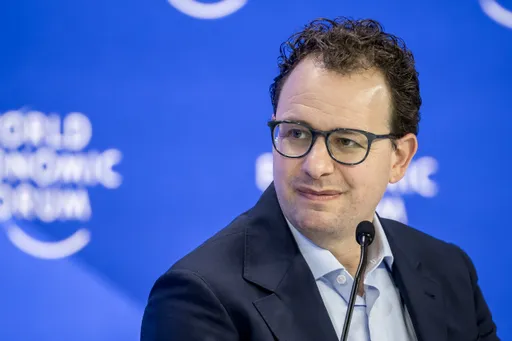
Speaking at the press conference in Brussels, European Commission President Ursula von der Leyen said the measures would focus on energy, financial services, crypto, and fisheries, while also introducing a ban on the entry of former Russian combatants into the EU.
"Our sanctions keep biting hard and cutting deep. They are weakening the economic foundations of Russia's war effort," von der Leyen said, arguing that Russia's economy is slowing and its budget is under increasing pressure.
Sanctions hit shipping
Under the energy-related measures, the EU proposes suspending adjustments to the oil price cap until January next year, citing market disruptions linked to tensions in the Middle East and the closure of the Strait of Hormuz.
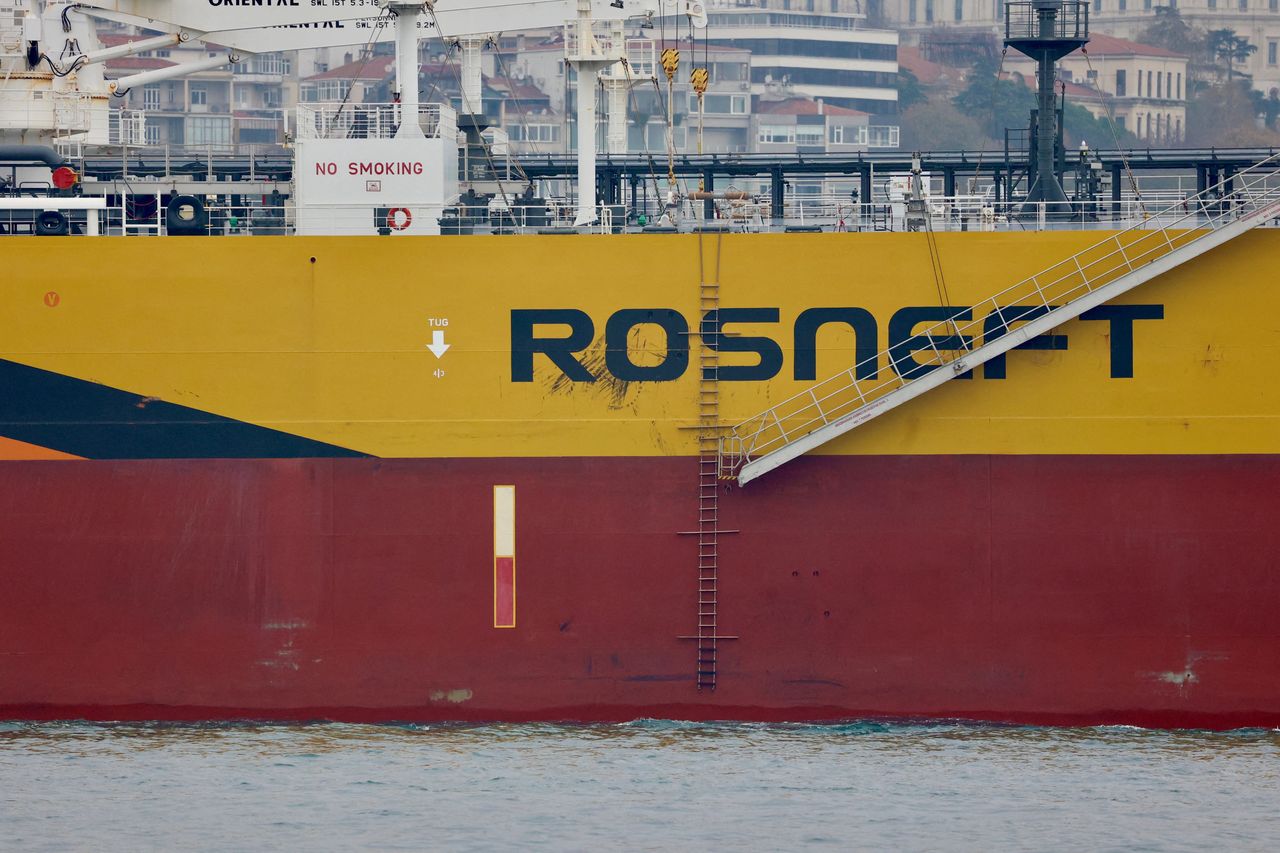
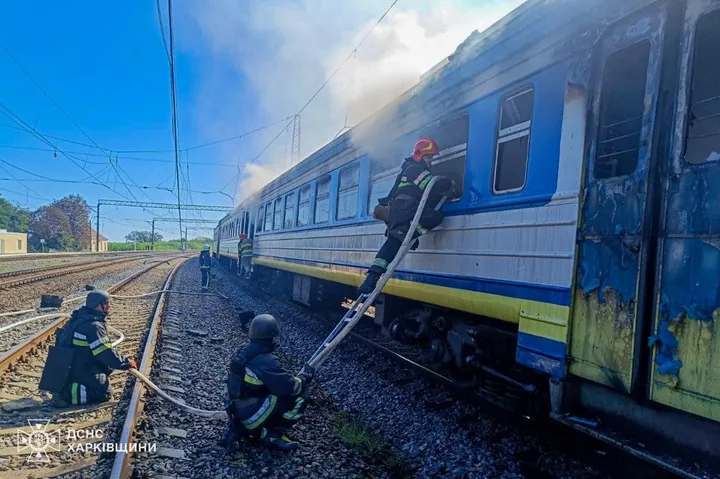
The package would also add 30 vessels to the EU sanctions list, bringing the total number of sanctioned ships linked to Russia's so-called shadow fleet to more than 630.
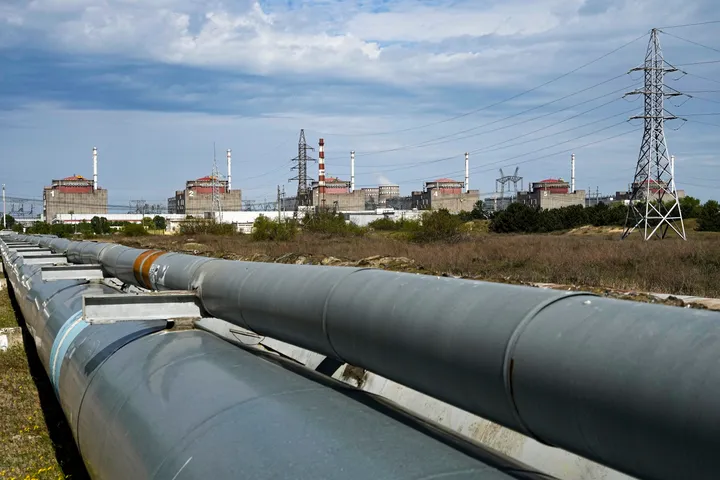
For the first time, the bloc plans to target vessels that support the shadow fleet through services such as bunkering, as well as critical infrastructure involved in trading, processing, or transporting Russian oil, including ports, airports, and refineries.

The European Commission also proposed restricting the sale of liquefied natural gas tankers to Russia, mirroring existing restrictions on oil tankers.
Banks, crypto targeted
On the financial front, Brussels plans to extend transaction bans to 31 more Russian banks and sanction 20 foreign banks, crypto firms and oil traders accused of helping Russia evade restrictions.
Von der Leyen said the package would, for the first time, introduce the possibility of a full ban on crypto-asset services from third countries that assist Russia in evading sanctions.
The proposed measures further include new export restrictions on technologies and materials used by Russia's military-industrial sector, including metals and alloys employed in aerospace, defence, and drone production, as well as ground-support, jamming, and launch systems.
The EU also plans new import bans covering goods worth around €60 million ($69 million), including certain metals, metal ores, and car parts.
In addition, Brussels is proposing restrictions on Russian fish imports, including a complete ban on some products such as cod, while aligning trade restrictions on Belarus to prevent it from serving as a route for Russian goods.
The package must be approved unanimously by EU member states before entering into force.